Where Are Helical Gears Used?
2024-05-20
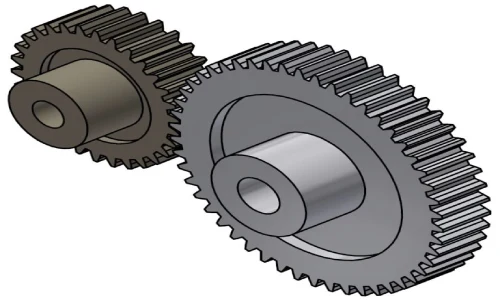
Do you share your interest in mechanics and gears? CXNOFIA, an experienced helical gear manufacturer in China, will tell you more about one of the most commonly used types of gears: helical gears.
What Is A Helical Gear?
A helical gear is a type of cylindrical gear in which the teeth are cut at an angle to the face of the gear. This angle is typically between 15 to 30 degrees, although it can vary based on the design and application requirements. Unlike spur gears, which have teeth that are parallel to the axis of rotation, helical gears have teeth that are slanted or "helically" oriented around the gear's circumference.
Helical Gear Characteristics
Helical gears stand out for their distinctive angled cuts along the gear edges, distinguishing them from other gear types. They excel in minimizing friction, heat, and noise, surpassing the performance of alternative gear configurations. Each tooth on a helical gear is intricately crafted to engage with the teeth of its counterpart, rotating in the opposite direction.
Functionally, helical gears operate similarly to conventional gears, relying on the meshing of teeth for rotation. However, their operation is characterized by a refined and gradual engagement, setting them apart from other gear varieties. This refined action is primarily attributed to the interaction of their teeth with the axis of rotation, which can occur either in parallel or at a crossed angle of 90 degrees.
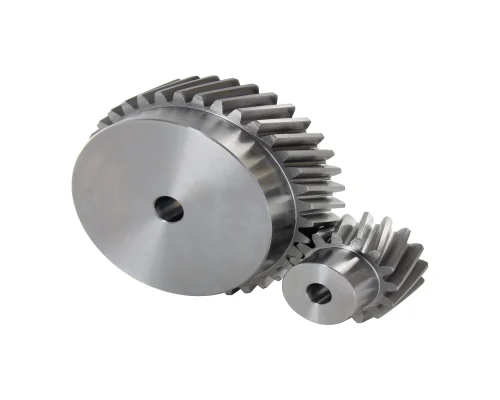
Helical gears offer several advantages over other types of gears:
The production process of helical gears imparts them with distinctive characteristics that are often perceived as advantageous.
For instance, these gears excel in high-load applications, thanks to the greater number of teeth engaged during motion. Their versatility lies in their ability to transmit motion and power across both parallel and right-angled axes.
Furthermore, helical gears are renowned for their durability, as they evenly distribute the load along the axes, mitigating wear over prolonged use.
Lastly, the gradual engagement of their inclined teeth results in reduced noise levels and promotes smooth, uninterrupted operation, enhancing overall performance.
Smooth and Quiet Operation: The angled teeth engagement of helical gears results in smoother and quieter operation compared to spur gears. This is because the gradual engagement of the teeth reduces noise and vibration.
High Load Capacity: Helical gears can transmit higher loads compared to spur gears due to the larger contact area between the teeth.
Efficiency: Helical gears typically have higher efficiency than other types of gears, especially at higher speeds, due to their inclined tooth design.
Versatility: They can be used in a wide range of applications, including automotive transmissions, industrial machinery, marine propulsion systems, and more.
Helical gears can be classified into two main types based on the direction of the helix:
Parallel Helical Gears: In parallel helical gears, the helix angle is such that the teeth are parallel to the axis of rotation. These gears are often used in applications where smoothness and low noise are critical, such as automotive transmissions.
Double Helical Gears (Herringbone Gears): Double helical gears have two sets of teeth that are helically oriented in opposite directions, resembling the letter "V" or a herringbone pattern. This design cancels out axial thrust forces, making them suitable for high-load applications where axial thrust needs to be minimized.
Helical gears play a crucial role in various mechanical systems, offering efficient power transmission with reduced noise and vibration.
Varieties of Helical Gear
In the realm of gear production, manufacturers offer options such as single and double helical gears, each tailored to specific needs. Single helical gears feature a solitary row of angled teeth, either cut into or inserted onto the perimeter of the gear body. Conversely, double helical gears boast two sets of mirrored teeth, enhancing their strength and longevity while eliminating axial loading concerns.
Double helical gears offer distinct advantages over their single counterparts, including heightened resilience and durability.
Additional Helical Gear Configurations
Helical gears represent a subtype of double helical gears wherein two sets of teeth converge to form a V shape, eschewing the traditional groove separation.
Worm drives, while not technically helical gears, serve in scenarios with non-parallel and non-intersecting shafts. These gears, although exhibiting lower loading capacities and efficiency rates, find utility in applications not requiring high-power transmissions.
Common Applications of Helical Gears
Helical gears find widespread use in both transportation and manufacturing domains. Their presence is particularly prominent in transmissions owing to their seamless operation and minimal noise emission, even under high-speed conditions.
Moreover, they are employed in scenarios necessitating spur gear functionality but featuring non-parallel shafts.
Automotive Industry: Helical gears are widely used in automotive transmissions, differential gears, and power steering systems. They provide smooth and quiet operation, which is essential for vehicles.
Machinery: They are used in various types of machinery such as machine tools, printing presses, textile machinery, and agricultural equipment. Helical gears transmit power efficiently and can handle heavy loads.
Industrial Gearboxes: Helical gears are found in industrial gearboxes used in manufacturing plants, power plants, and other industrial settings. They are capable of transmitting high torque and are more efficient compared to other types of gears.
Marine Applications: Helical gears are used in marine propulsion systems, including boat engines and ship transmissions, due to their ability to handle high speeds and heavy loads.
Mining Equipment: Helical gears are utilized in mining machinery for applications such as conveyors, crushers, and hoists, where they can withstand harsh operating conditions.
Aerospace Industry: They are used in aircraft engines, landing gear systems, and other aerospace applications where compact design and high efficiency are essential.
Power Generation: Helical gears are employed in power generation equipment such as wind turbines, hydroelectric generators, and steam turbines.
Overall, the versatility, efficiency, and smooth operation of idler helical gears make them suitable for a wide range of applications in various industries.
Discover the wide range of tractor parts, such as YZ90524 33T MFWD tractor custom helical gears for JD. CXNOFIA is a famous helical gear manufacturers in China. Fast Shipping Worldwide! Limited Time Sale. Easy Return.
New Product Disc Blade
A Comprehensive Guide of Necessary Tractors Parts
Related Article
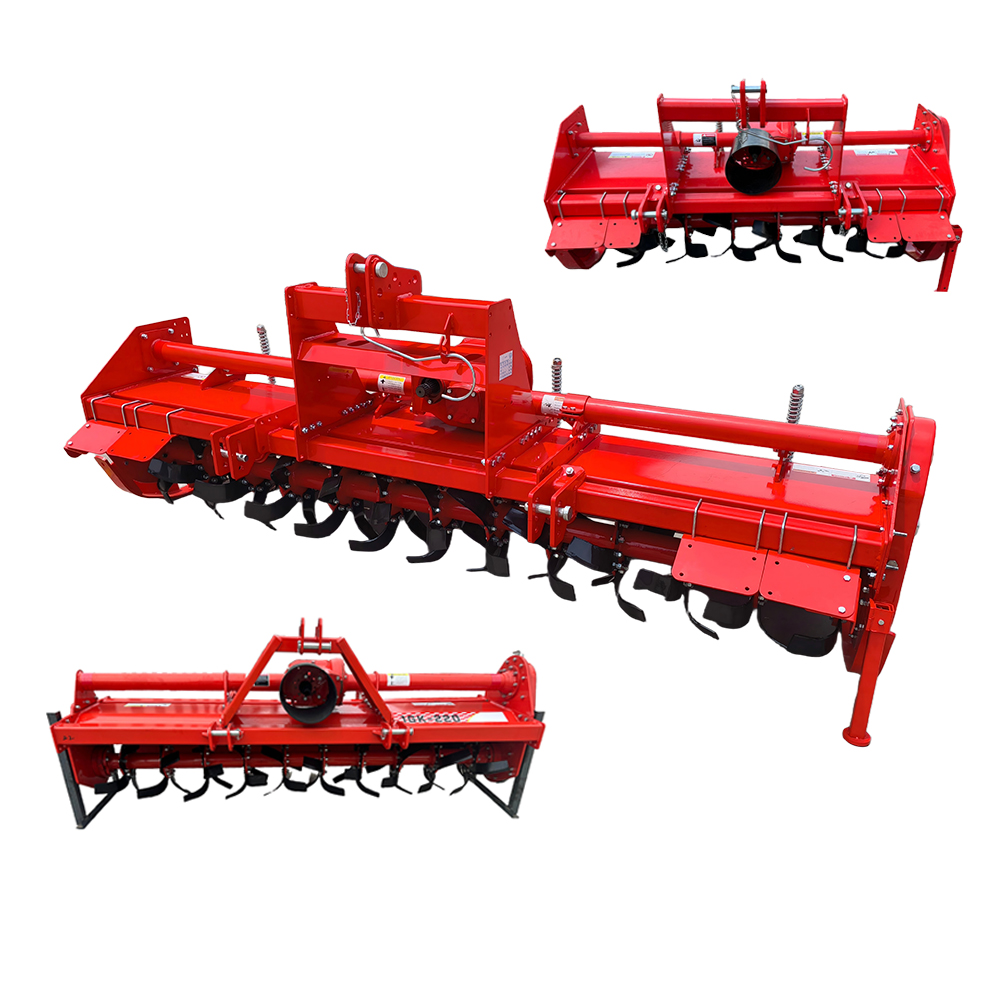
Explore MASCHIO-type rotary tillers from CXNOFIA, including 1MB, 1MC and 1GK series with 35–220 HP applications and 120–360 cm working widths.
MASCHIO-Type Rotary Tiller: 1MB, 1MC & 1GK Series Guide
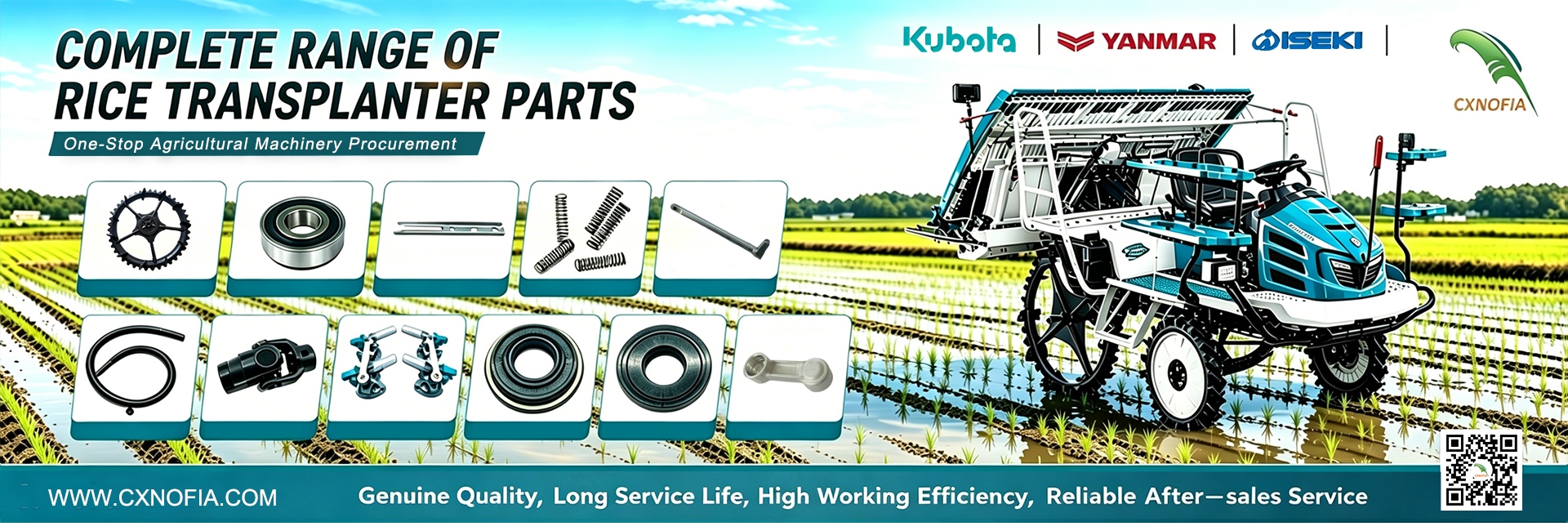
Explore the complete rice transplanter spare parts list for Kubota, Yanmar and ISEKI machines. Learn which replacement parts wear out most frequently, what dealers should keep in stock, and how CXNOFIA provides one-stop agricultural machinery spare parts solutions worldwide.
Complete Rice Transplanter Spare Parts List: Top Replacement Parts for Kubota, Yanmar & ISEKI Machines