Where Is The Suction Filter Hydraulic Filter Located At?
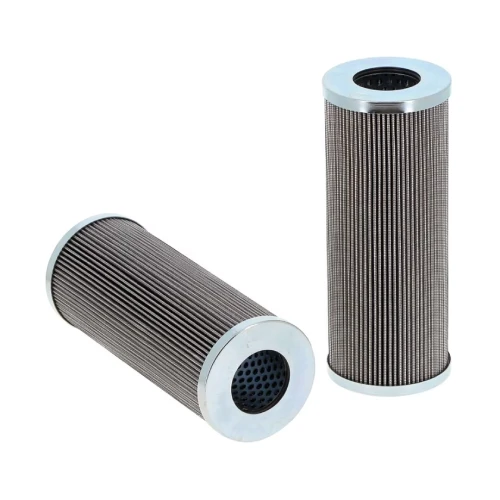
In every hydraulic system—from large excavators to compact agricultural machinery—the suction filter plays a critical role in protecting the heart of the machine: the hydraulic pump. Yet one of the most common questions from equipment operators and maintenance technicians is “where is the suction filter hydraulic filter located at?” Knowing the exact position and function of this component is essential for proper maintenance, contamination control, and efficient hydraulic operation.
Chapter 1: Why the Location of the Suction Filter Matters in Hydraulic Systems
The question “where is the suction filter hydraulic filter located at?” may seem straightforward, but its answer is deeply tied to the performance, reliability and longevity of hydraulic equipment. In hydraulic circuits, several filter types exist (suction, return, pressure, off-line) and each is placed in a specific location for a reason. Understanding the placement of the suction filter and its impact is crucial.
1.1 What is a “suction filter” in hydraulic terminology
A suction filter is the filtration element placed on or near the pump intake (the suction side of the hydraulic pump) or inside the reservoir upstream of the pump. Its primary role is to capture larger contaminants before fluid enters the pump, thus protecting the pump from ingestion of harmful particles or cavitation phenomena. One authoritative source describes that the suction filter is located “on a suction port of the pump or submerged in the reservoir and attached to the suction line leading to the pump.”
1.2 Why positioning the suction filter upstream matters
Placing the suction filter at the inlet ensures that contamination is prevented before the high-pressure zone of the system, protecting the pump, valves and components downstream. However, the suction side is also sensitive: any undue restriction can cause cavitation, vacuum conditions, reduced flow, and eventually pump damage. Because of this, the suction filter must balance low pressure drop with sufficient filtration.
1.3 Relationship to other filters: hydraulic filter suppliers & system design
When you evaluate filters from hydraulic filter suppliers, you'll note that suction filters often have coarser elements than pressure filters. Why? Because their location (on the suction side) demands minimal flow resistance. A return line or pressure line filter can use finer media since the pressure available to force flow through it is higher. Thus a suction filter is part of a filtration hierarchy. For example, a hydraulic system may use:
A suction filter at the pump inlet (coarse filtration)
A pressure filter after the pump (fine filtration)
A return filter before fluid reenters the reservoir
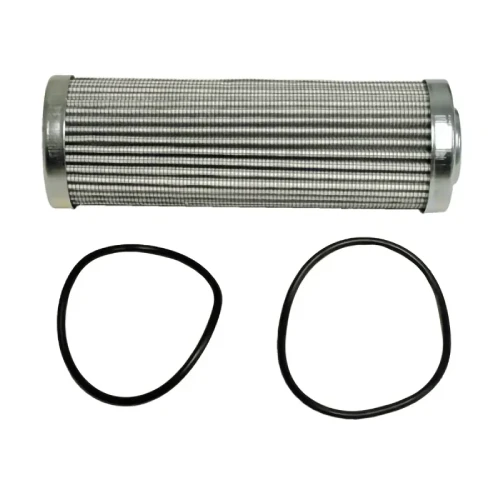
Chapter 2: Where Exactly Is the Suction Filter Hydraulic Filter Located At? (Detailed Location Scenarios & Implications)
Now we directly handle the long tail keyword “where is the suction filter hydraulic filter located at”, exploring typical application locations, exceptions, and special cases (including Chinese mini excavator hydraulic filter contexts).
2.1 Typical placement in mobile equipment such as excavators
In many mobile hydraulic systems—including excavators, wheel loaders, backhoes—the suction filter is often located in the hydraulic reservoir (tank) or integrated at the pump suction port. In excavators, for example, the pump may draw from a reservoir; the suction filter may sit submerged in the tank, or be mounted externally on the suction line just before the pump inlet.
This placement ensures that fluid entering the pump is relatively clean and that large debris or metal particles from wear do not damage the pump internals. Also, by being submerged or close to the suction port, the filter helps maintain flow even under machine tilting or boom movement.
2.2 Specific case: Chinese mini excavator hydraulic filter applications
In compact machines like Chinese mini excavators, space constraints and cost optimization often affect filter placement. The suction filter for such machines may be a simpler strainer or coarse screen located at the pump inlet or a short suction line. Machine manufacturers (or aftermarket parts suppliers such as CXNOFIA) may supply a “hydraulic suction filter” designed for excavator parts, sized and mounted according to the compact machine's layout. Because of the smaller hydraulic components and tighter packaging, the suction filter might be less robust than on full-size machines, but correct location and adequate filtration remain critical for durability.
2.3 Alternative placements and design considerations
Although the most common placement is upstream of the pump, there are variations:
Some systems locate the suction filter inside the reservoir, at the bottom or side, near the pump pickup. This ensures the suction line sees fluid already filtered and allows for submerged intake.
Some systems may skip a dedicated suction filter and rely on a coarse strainer or screen, especially if the reservoir features good design and the machine is simplified (typical of lower-cost machines).
Because placing a fine filter on the suction side can create pump cavitation problems, many system designers choose a coarse suction filter and rely more on return or pressure filtration for fine particle removal.
2.4 Why it matters: suction location examples & failure modes
By knowing “where is the suction filter hydraulic filter located at”, operators and maintenance personnel can inspect and service filter assemblies more effectively. For example:
If the filter is mounted inside the reservoir but fluid flow is reduced, sediment or sludge may settle and obstruct the suction filter – clogging may lead to cavitation.
If the filter is externally mounted on a suction line and the machine is worked in dusty conditions, ingress of dirt may accumulate at the mount or around gaskets and impair performance.
In a mini excavator context, mis-location or inadequate filtration at the suction side often results in pump damage, shortened service intervals, and higher maintenance cost—so correct filter selection and placement from hydraulic filter suppliers is essential.
Chapter 3: Selecting the Right Suction Filter – Price, Supplier & Performance Considerations
Having established the where of the suction filter location, we move onto how to choose the right one, tying in keywords like suction filter price, hydraulic filter suppliers, and Chinese mini excavator hydraulic filter.
3.1 Hydraulic filter suppliers – what to look for
When sourcing a suction hydraulic filter from suppliers, consider these factors:
Micron rating and mesh size: Suction filters typically have coarser ratings (e.g., 100-150 micron) since suction side flow must not be unduly restricted.
Flow capacity: The filter must handle the maximum flow at the pump inlet without causing excessive pressure drop or cavitation.
Mounting style: Integrated into reservoir vs. inline on suction line. Compact machines may require special mounting geometry.
Material and quality: Especially in dusty or harsh machinery environments, high-quality filters resist contamination loading and maintain structural integrity.
Serviceability and replacement availability: The ability to replace the filter element reliably and check for debris accumulation is beneficial.
Identifying reputable hydraulic filter suppliers ensures you get filters designed for your specific machine or hydraulic circuit, not generic filters that may be undersized or mis-rated for suction application.
3.2 Suction filter price – balancing cost vs value
The keyword suction filter price is often a concern for maintenance decision-makers, especially in budget-sensitive equipment like mini excavators. But price must be evaluated in terms of value:
A very low-cost suction filter may reduce upfront cost, but if it causes flow restriction or fails under dirt load, the resulting pump damage will cost more.
A correctly engineered suction filter—though perhaps higher in price—reduces risk of cavitation, pump wear, downtime, and thus lowers total cost of ownership.
In the Chinese mini excavator market, aftermarket suction filters may offer lower prices but it's critical to verify dimension, flow rating, micron rating, and mounting match the original equipment.
Thus, comparing suction filter price needs to be done with full technical context, not just cost alone.
3.3 Example: Mini excavator and hydraulic suction filter replacement parts
For example, small excavator equipment may use a specific suction filter element designed for the pump and reservoir geometry. Aftermarket part providers like CXNOFIA supply hydraulic suction filter assemblies for excavator parts (including for brands like Kubota)—these assemblies include correct mounting, flow rating, and filtration characteristics tailored to the machine. While you may search for “Chinese mini excavator hydraulic filter” options, ensure the filter meets the suction side requirements and avoids causing pump intake problems.
Maintaining the correct location, correct dimension, and quality of the suction filter ensures the hydraulic system of the machine remains reliable.
Chapter 4: Maintenance, Inspection & FAQ for Suction Filters in Hydraulic Systems
Having covered the location and selection of suction filters, this chapter focuses on maintenance best practices, inspection tips, and the frequently asked questions (FAQ) around “where is the suction filter hydraulic filter located at?” and related concerns.
4.1 Maintenance and inspection best practices
Regularly inspect the suction filter element for debris, especially in machines working in dusty or harsh conditions.
Monitor pump suction performance; any drop in flow or increase in suction line vacuum may signal suction filter restriction or cavitation risk.
During servicing, check the filter mount, gasket or screen for damage or wear. In reservoir-mounted filters, ensure no fluid short-circuiting around the filter or bypass.
Replace filters according to machine manufacturer recommendation or earlier if exposure to dirt, contaminants, or increased system load occurs.
Keep records of when suction filters were replaced, micron rating, supplier, and any performance changes in the system—this aids maintenance optimization.
4.2 FAQ – Frequently Asked Questions
Q1: Where exactly is the suction filter hydraulic filter located at in a typical hydraulic excavator?
A1: It is typically located either on the suction line just upstream of the hydraulic pump or inside the hydraulic reservoir near the pump inlet pickup. The exact mounting depends on the machine design, space constraints and filtration strategy.
Q2: Can I use the same filter rating for the suction filter as for a pressure filter?
A2: No, suction filters generally require coarser mesh or micron ratings because suction side flow is more vulnerable to restriction and cavitation. Pressure filters are downstream of the pump and can use finer filtration because pressure is higher and flow more stable.
Q3: How does suction filter placement affect suction filter price and supplier choice?
A3: Because the suction filter must meet flow and pressure drop demands, quality and compatibility matter. Thus, while suction filter price might vary widely, choosing a reputable hydraulic filter supplier and verifying the filter's specifications (flow capacity, micron rating, mounting geometry) is essential. For compact machines (e.g., Chinese mini excavator hydraulic filter needs), ensure the supplier provides filters designed for suction side like CXNOFIA does.
Q4: What happens if the suction filter is located incorrectly or malfunctioning?
A4: If the suction filter is poorly placed, undersized, or clogged, the hydraulic pump may experience suction cavitation, reduced flow, overheating, and accelerated wear. This can lead to premature pump failure, increased maintenance cost, downtime and system inefficiency.
Q5: How often should the suction filter be checked or replaced?
A5: It depends on machine usage, environment, contamination level and filter design. However, it is prudent to inspect the suction filter at each major service interval and replace it if there is noticeable debris build-up, flow restriction or if performance metrics indicate pump suction issues.
Understanding where the suction filter hydraulic filter is located at, how to select the right filter from hydraulic filter suppliers, how suction filter price interrelates with performance and how this applies in contexts like Chinese mini excavator hydraulic filter fits, is essential for anyone managing hydraulic systems. While the location may vary slightly between machines, the principle remains: the suction side is the first line of defence. Ensuring proper placement, correct filtration rating and maintenance will protect the pump and downstream components.
Good suction filter price! Discover Chinese mini excavator hydraulic filter for Kubota. As one of the trusted hydraulic filter suppliers in China, CXNOFIA delivers precision engineered, durable hydraulic suction filter designed to fit a variety of leading excavator brands. Reach out today at sales@cxnofia.com
What Is a Suction Filter?
How to Clean a Hydraulic Suction Filter?
Related Article