Why Compression Springs Matter in Tractor Engineering?
Tractors are the backbone of modern agriculture, designed to endure heavy workloads while maintaining consistent performance across varying terrains and weather conditions. At the heart of many tractor mechanisms lies a component that may appear small but plays a critical role in efficiency and safety — the compression spring.
Compression springs are mechanical devices that store and release energy through controlled deformation under load. Whether found in suspension systems, clutches, or hydraulic assemblies, they provide tractors with the resilience to operate under stress while protecting machinery from excessive wear.
Understanding Compression Springs in Tractor Systems
What is a Compression Spring?
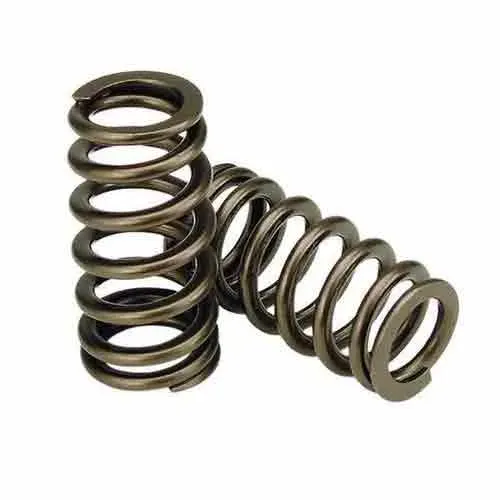
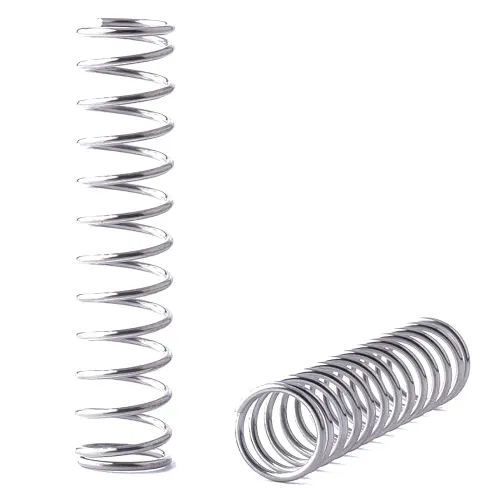
A compression spring is a helical coil designed to resist compressive forces. When a load is applied, the spring contracts (becomes a compressed spring) and stores mechanical energy. Once the load is released, the spring returns to its original shape. This function is crucial in tractors where vibration control, load balancing, and mechanical precision are required.
Key Features of Tractor Compression Springs
Elasticity and resilience: Designed to absorb shocks and maintain shape after repeated load cycles.
Load bearing capacity: Tractor springs must handle extreme weights and dynamic forces.
Versatility: Found in clutches, braking systems, suspension assemblies, valves, and hydraulic actuators.
The Role of Spring Compression in Tractors
The concept of spring compression is central to performance. By controlling how much a spring compresses under a specific load, engineers ensure safety and comfort for operators. For example, in tractor suspension systems, spring compression directly affects ride stability and reduces operator fatigue during long hours of fieldwork.
Applications of Compression Springs in Agricultural Tractors
1. Tractor Suspension Systems
Suspension systems rely heavily on compression springs to absorb shocks from rough terrain. When a tractor moves across uneven soil or rocky fields, compressed springs cushion the chassis, protecting both the operator and sensitive components from excessive vibration.
2. Clutch and Brake Assemblies
Clutches and brakes in tractors use spring compression to engage and disengage power transmission effectively. The springs ensure precise contact and quick response, which is essential for handling heavy loads safely.
3. Hydraulic Systems and Valves
Hydraulic actuators frequently use small yet strong compression springs to regulate pressure and return pistons to their original positions. Without this mechanism, hydraulic operations such as lifting or tilting attachments would lose accuracy and stability.
4. Engine and Fuel Injection Components
Within engines, compressed springs manage valve timing, ensuring that air-fuel mixtures enter and exhaust gases exit at the right moment. A malfunctioning compression spring can disrupt combustion cycles, reducing tractor efficiency.
Design Considerations and Material Choices
Choosing the Right Compression Spring for a Tractor
When selecting a spring, engineers and compression spring suppliers consider several factors:
Load requirements: The maximum force the spring must withstand.
Deflection range: How far the spring can compress without permanent deformation.
Durability: Resistance to fatigue under repeated cycles of loading and unloading.
Materials Used in Tractor Compression Springs
High carbon steel: Offers cost efficiency and strength, widely used in general tractor applications.
Alloy steels (chrome silicon, chrome-vanadium): Provide superior fatigue resistance for high-stress environments.
Stainless steel: Used where corrosion resistance is critical, such as tractors working in wet or chemical-rich environments.
Manufacturing Precision
Quality depends not only on material but also on the coil diameter, pitch, and number of active coils. Modern manufacturers like CXNOFIA employ CNC winding machines and advanced heat treatment processes to ensure consistent performance and longevity of tractor springs.
Maintenance, Replacement, and Sourcing
Signs a Tractor Compression Spring Needs Replacement
Loss of elasticity: The spring does not return fully to its original length.
Visible cracks or deformation: Fatigue has weakened the material.
Reduced performance: Operators notice increased vibration, poor suspension, or clutch slippage.
When these signs appear, searching for compression springs near me can be the first step. Local suppliers may offer quick replacements, but quality and compatibility must remain top priorities.
Installation and Safety Tips
Always match the new spring's specifications to the original part.
Use proper tools to avoid over-stressing the coil during installation.
Lubricate if required to prevent wear in contact areas.
Test the assembly carefully before putting the tractor back into full operation.
Finding Reliable Compression Spring Suppliers
Not all springs are created equal. A trusted compression spring supplier ensures accurate load ratings, high quality materials, and proper finishing (shot-peening, coating, etc.). For large-scale farming operations or OEM needs, partnering with established compression spring suppliers like CXNOFIA can ensure consistent supply and technical support.
Future Trends and Global Supply Chain Considerations
Innovation in Spring Design
As tractors become smarter and more efficient, spring technology evolves too. Expect innovations such as:
Variable rate compression springs for adaptive suspension systems.
Lightweight alloys and composites to improve efficiency.
Surface treatments for longer fatigue life in extreme conditions.
Global Supply Chain & Agricultural Demands
Farmers and equipment manufacturers often rely on a mix of local and international compression spring suppliers. While searching ‘compression springs near me' may provide immediate solutions, companies like CXNOFIA extend global reach, offering engineering expertise and large scale production capacity. This balance ensures both availability and quality.
From suspension to clutches, compression springs are essential to tractor performance and durability. By understanding their role, material selection, and proper maintenance, farmers and equipment managers can significantly extend the lifespan of their machinery.
For those looking to source reliable parts, evaluating compression spring suppliers based on technical expertise, customization capabilities, and quality assurance is key. Companies such as CXNOFIA provide precision-engineered solutions that meet the high demands of modern agriculture without compromising on quality or reliability.
The next time you see a tractor working tirelessly in the field, remember that hidden within its systems are compressed springs working just as hard — silently ensuring performance, safety, and efficiency.
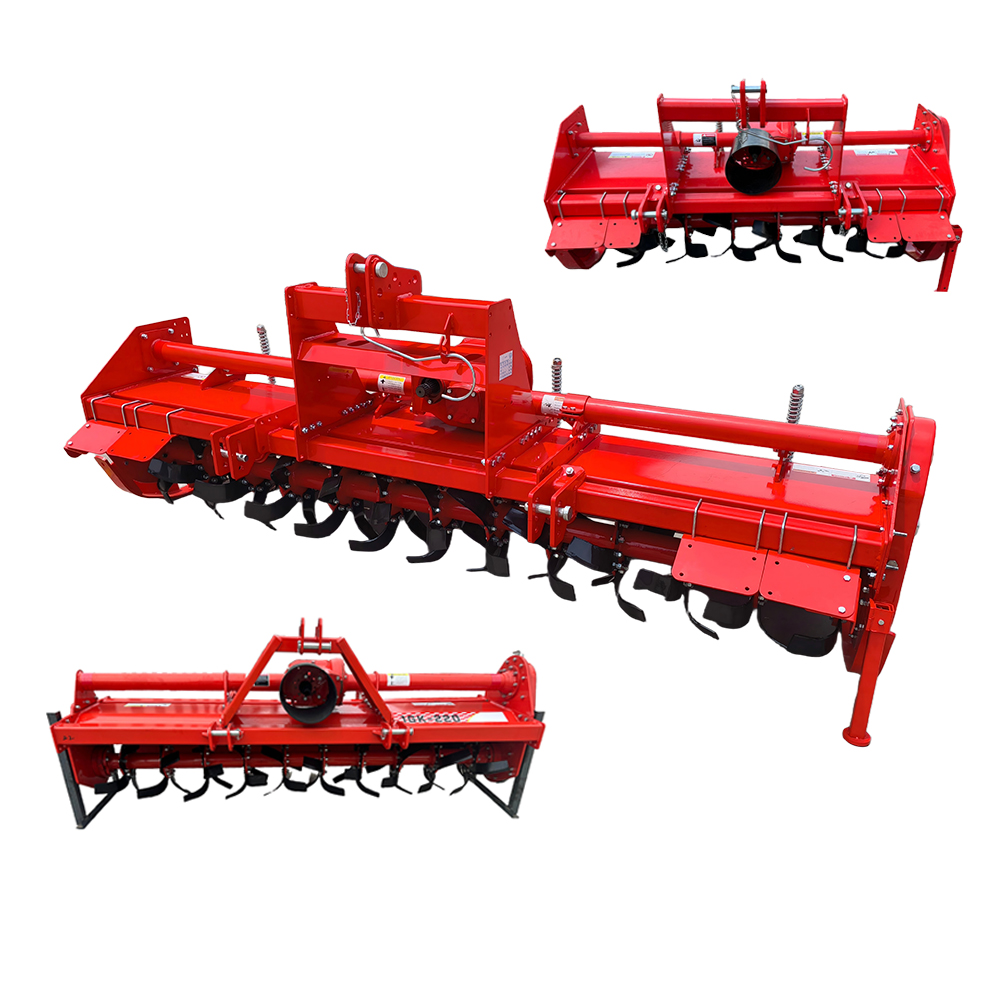
Compression springs near me! Explore high quality T21816 tractor compression springs from CXNOFIA, one of the most professional China compression spring suppliers in China. Our precision engineered tractor tillers are designed for durability and compatible with a wide range of leading tractor brands. Contact us now: sales@cxnofia.com
What Are Compression Springs Used For?
PTO Shafts and Gearboxes: The Essential Partnership Powering Global Agriculture and Industry
Related Article