Why Do Diesel Engines Have Cylinder Liners?
2025-12-12
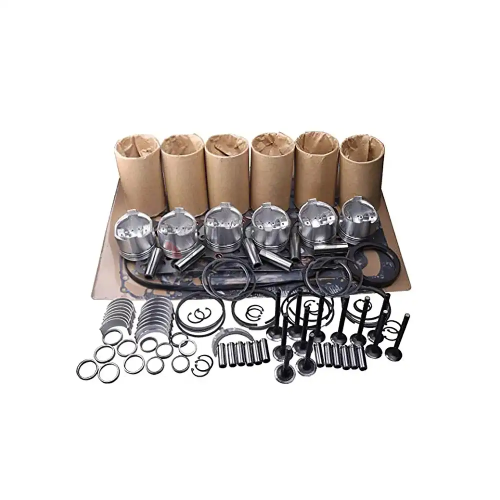
Diesel engines power everything from tractors to harvesters in agricultural and industrial machinery—but they don't survive harsh conditions by chance. The secrets lies in a seemingly simple component: the cylinder liner. Also called a cylindrical liner or tractor liner, this replaceable sleeve sits inside the engine block to protect the combustion chamber from wear, heat, and corrosion. But why do diesel engines rely on them when many gasoline engines don't? And when replacement is needed, how do you choose a reliable part without overpaying the cylinder liner price?
Chapter 1: Why Are Cylinder Liners Essential in Diesel Engines?
Unlike lighter duty gasoline engines, diesel powerplants operate under extreme pressure, temperature, and mechanical stress. The cylinder liner is engineered to handle this punishment—but its role goes beyond mere protection.
1.1 Combating Extreme Combustion Pressures
Diesel engines compress air to over 500 psi before fuel injection—far higher than gasoline engines. This creates intense stress on cylinder walls. A hardened cylindrical liner absorbs this load and prevents the softer engine block from cracking or deforming.
1.2 Enabling Replaceable Wear Surfaces
Over time, piston rings wear down the cylinder bore. With a tractor liner, you can replace just the worn sleeve instead of machining or scrapping the entire engine block—saving significant labor and cost.
1.3 Improving Heat Dissipation and Cooling
Most cylinder liners are designed with precise wall thickness and surface finishes to work with the engine's coolant system. This helps maintain optimal operating temperatures and prevents hot spots that lead to pre-ignition or scuffing.
1.4 Supporting Long Service Intervals
Farms and construction sites demand uptime. By using high-grade cylinder liners, manufacturers extend overhaul intervals—critical for machines like Kubota tractors that may run hundreds of hours per season.
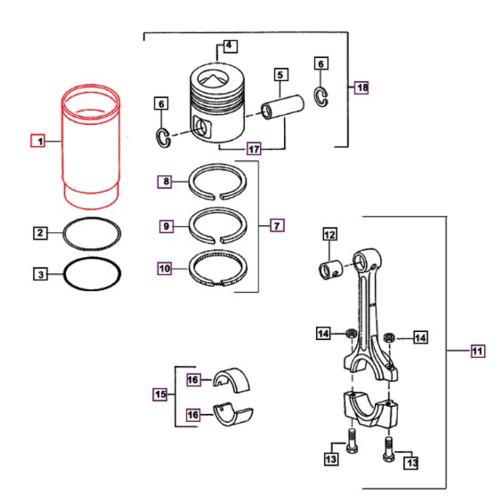
Chapter 2: What Happens When a Cylinder Liner Fails?
Ignoring early signs of cylinder liner wear can lead to catastrophic engine failure. Recognizing the symptoms early helps avoid expensive rebuilds.
2.1 Loss of Compression and Power Drop
Worn or cracked liners allow combustion gases to leak past the piston rings. The result? Weak acceleration, hard starting, and excessive blow-by into the crankcase.
2.2 Coolant or Oil Mixing
In wet-sleeve engines, a corroded or cracked tractor liner can allow coolant to seep into the oil—or vice versa. Milky oil or white exhaust smoke are telltale signs.
2.3 Increased Oil Consumption
Scoring or taper wear in the liner creates gaps where oil sneaks into the combustion chamber, leading to blue smoke and rapid oil loss.
2.4 Knocking or Scuffing Noises
Metal-on-metal contact from a failed liner surface produces abnormal engine sounds. Left unchecked, this can destroy pistons, rings, and even the crankshaft.
Chapter 3: How Do You Choose a High Quality Replacement Cylinder Liner?
Not all cylinder liners are built alike. Choosing the right one involves more than matching part numbers—it's about material, finish, and manufacturer credibility.
3.1 Match OEM Specifications Exactly
For Kubota models like the L3608, the correct cylindrical liner (e.g., part number 1C030-32564) must meet original tolerances for diameter, height, and flange design. Even minor deviations cause sealing issues.
3.2 Look for Precision Casting and Honing
High quality liners undergo centrifugal casting and fine honing to achieve uniform hardness and surface finish. This ensures proper ring seating and oil control from day one.
3.3 Consider the Real Value Behind Cylinder Liner Price
A suspiciously low cylinder liner price often signals poor metallurgy or inconsistent dimensions. Investing in a proven part saves money long-term by avoiding repeat failures.
3.4 Trust Agricultural Specialists Like CXNOFIA
CXNOFIA, operated by Hangzhou Stable Machinery Co., Ltd., specializes in tractor parts for global markets. Their 1C030-32564 cylinder liner for Kubota is engineered to match OEM performance, using the same material standards and quality controls found in factory components. Backed by experience in engine, chassis, and drivetrain parts, CXNOFIA ensures reliability where it matters most—in the field.
Chapter 4: Where Can You Buy Reliable Tractor Liners Without Overpaying?
With so many suppliers offering cylinder liners, how do you find one that balances quality, compatibility, and fair cylinder liner price?
4.1 Prioritize Suppliers with Ag Machinery Focus
General industrial parts sellers may carry liners, but they lack deep expertise in tractor-specific demands. CXNOFIA focuses exclusively on agricultural and construction machinery parts, including engine components, rubber tracks, shafts, and tractor liners—making them a trusted source for repair shops and farms alike.
4.2 Verify Support for Samples and Small Orders
CXNOFIA supports sample orders and flexible MOQs, allowing mechanics to test fit before bulk purchasing. This is especially helpful when servicing rare or older models.
4.3 Check Packaging and Logistics Options
Available in CXNOFIA branded, neutral, or customized packaging, their cylinder liners ship worldwide with typical delivery in 15–20 days—ideal for urgent repairs during planting or harvest seasons.
4.4 Leverage Decades of Field-Proven Experience
CXNOFIA's manufacturing facility combines modern CNC processes with deep knowledge of real-world operating conditions. Their cylindrical liners aren't just dimensionally correct—they're built to survive dust, moisture, high load, and long idle periods common in farming.
FAQ: Quick Answers About Cylinder Liners
Q: Is a cylinder liner the same as a tractor liner?
A: Yes. “Tractor liner” is a common field term for the cylinder liner used in agricultural diesel engines.
Q: Can I reuse an old cylinder liner?
A: Not recommended. Even minor wear affects compression and oil control. Always install a new, properly sized liner during an engine rebuild.
Q: What affects cylinder liner price?
A: Material grade, manufacturing method (centrifugal vs. static cast), surface finish, and brand reputation all influence cost.
Q: Does CXNOFIA ship globally?
A: Yes. They serve machinery repair shops, farms, and retailers worldwide with reliable logistics and responsive support.
Q: How do I know if my engine uses wet or dry liners?
A: Wet liners contact coolant directly and are easier to replace. Dry liners are pressed into the block. Check your service manual—Kubota L3608, for example, uses a dry-type cylinder liner.
In diesel powered tractors, the cylinder liner is far more than a spare part—it's a frontline defense against wear, heat, and downtime. Whether you're rebuilding a Kubota L3608 or maintaining a fleet, choosing a precision-engineered tractor liner from a specialist like CXNOFIA ensures your engine runs longer, cleaner, and more efficiently. Don't gamble on cheap imitations—invest in reliability where every hour in the field counts.
Tractor Synchronizer Spring for Kubota
Different Types of Steering Shafts
Related Article
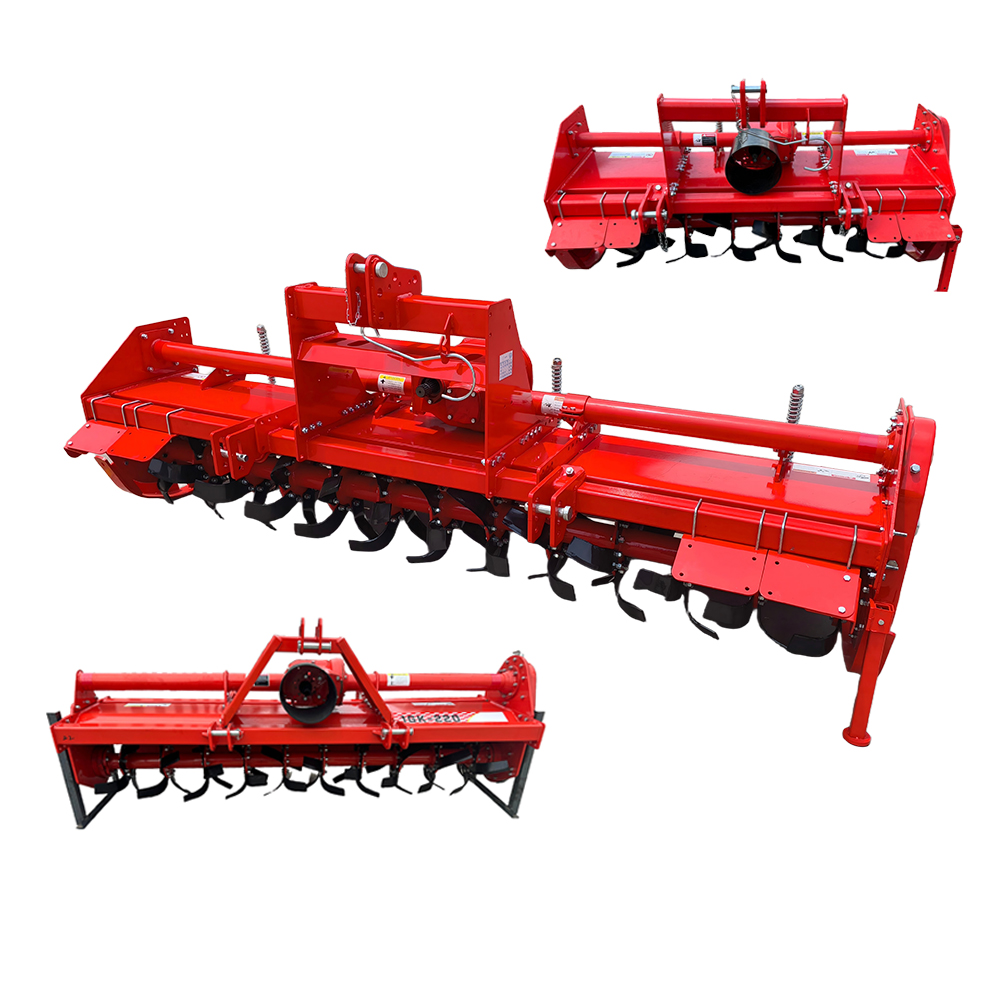
Explore MASCHIO-type rotary tillers from CXNOFIA, including 1MB, 1MC and 1GK series with 35–220 HP applications and 120–360 cm working widths.
MASCHIO-Type Rotary Tiller: 1MB, 1MC & 1GK Series Guide
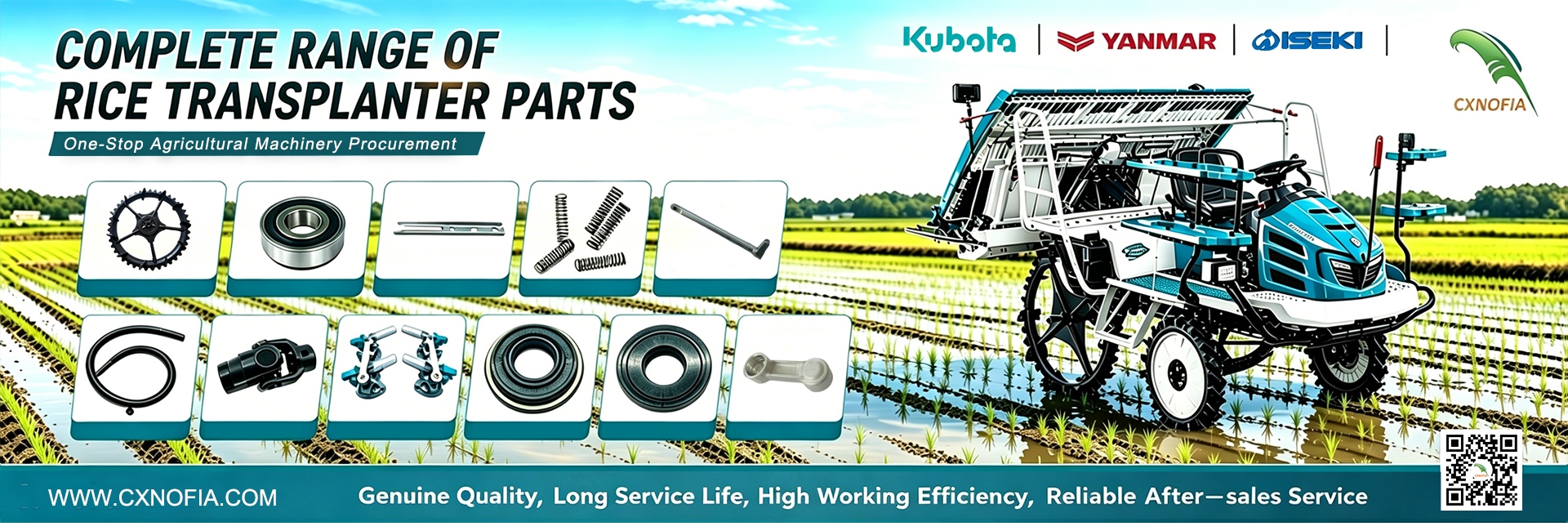
Explore the complete rice transplanter spare parts list for Kubota, Yanmar and ISEKI machines. Learn which replacement parts wear out most frequently, what dealers should keep in stock, and how CXNOFIA provides one-stop agricultural machinery spare parts solutions worldwide.
Complete Rice Transplanter Spare Parts List: Top Replacement Parts for Kubota, Yanmar & ISEKI Machines