Why Use Tapered Roller Bearings?
2026-01-12
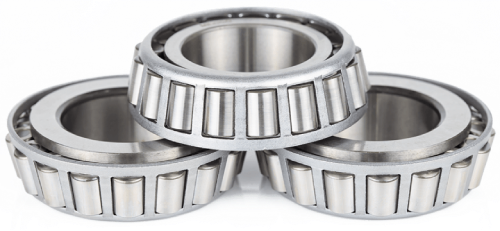
Tapered roller bearings are among the most critical components in heavy duty mechanical systems—from agricultural tractors and construction machinery to automotive axle assemblies and industrial gearboxes. Despite their seemingly simple appearance, these stainless steel tapered roller bearings represent a sophisticated engineering solution to complex load challenges. But why do engineers and designers consistently choose CXNOFIA tapered roller bearings over other types? What makes them indispensable in high stress environments? And how do material choices—such as stainless steel—affect their performance and longevity?
Understanding the Core Mechanics: Why Tapered Geometry Matters
At the heart of a tapered roller bearing lies its unique conical geometry. Unlike cylindrical or spherical roller bearings, stainless steel tapered roller bearings are designed to manage both radial and axial (thrust) loads simultaneously. The tapered angle of the rollers and raceways ensures that the load paths converge at a common point on the bearing axis, enabling efficient force distribution across the entire contact surface. This design dramatically reduces stress concentration and minimizes wear under dynamic loading conditions.
In practical terms, this means that in applications like Kubota tractors—where torque, vibration, and uneven terrain create complex load profiles—a tapered roller bearing such as the 34070-12200 model can maintain structural integrity far longer than alternatives. The bearing roller tapered's geometry also allows for precise axial adjustment during installation, which is essential for optimizing preload and minimizing play in drivetrain components. This adjustability is a key reason why tapered roller bearings dominate in differentials, wheel hubs, and transmission systems where alignment and load balance are non-negotiable.
Critically, the performance of these bearings depends not only on their shape but also on manufacturing precision. A precision tapered roller bearing must meet strict tolerances in roller taper, cup angle, and surface finish. Even minor deviations can lead to uneven load distribution, premature fatigue, and increased heat generation. This is why high quality stainless tapered roller bearing—such as this used in OEM and replacement parts for agricultural machinery—undergo rigorous quality control to ensure dimensional consistency and material integrity.
Material Matters: The Role of Stainless Steel in Harsh Environments
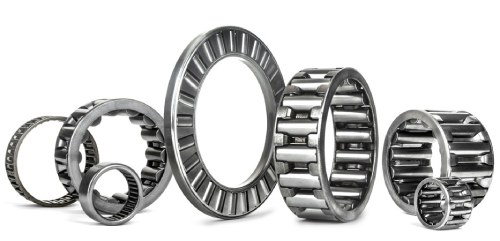
While traditional tapered roller bearings are typically made from high-carbon chromium steel for optimal hardness and fatigue resistance, certain applications demand enhanced corrosion resistance. Enter stainless steel tapered roller bearings—a specialized variant gaining traction in marine environments, food processing equipment, chemical plants, and outdoor agricultural settings where moisture, salt, or acidic exposure is a concern.
Stainless steel tapered roller bearings are usually fabricated from martensitic or austenitic stainless steels (e.g., AISI 440C or 316). These materials offer superior resistance to rust and chemical degradation, albeit with trade offs in hardness and load capacity compared to standard bearing steel. Engineers must carefully evaluate whether the operational environment justifies this compromise. In a Kubota tractor used in coastal rice fields, for instance, the risk of corrosion may outweigh the slight reduction in ultimate load rating—making a stainless tapered roller bearing a justifiable upgrade.
It's important to note that not all “stainless” bearings are created equal. Surface treatments, heat treatment protocols, and internal clearance specifications vary widely. High-performance stainless versions often retain the core geometric advantages of traditional tapered designs while integrating corrosion-resistant alloys without sacrificing too much on fatigue life. When sourcing replacements—such as the 34070-12200 for Kubota equipment—it's essential to verify material certifications and compatibility with existing shaft and housing tolerances.
Application Specific Advantages: From Tractors to Industrial Gearboxes
The versatility of stainless steel tapered roller bearings stems from their scalability and customizability. Whether it's a compact bearing roller tapered unit in a small agricultural implement or a massive assembly in a mining conveyor, the fundamental principles remain consistent: directional load support, axial adjustability, and high rigidity.
In agricultural machinery—particularly tractors like those manufactured by Kubota—the drivetrain endures constant shock loads, dirt ingress, and variable speeds. Here, the roller bearing tapered design shines by accommodating misalignment caused by frame flexing while maintaining reliable torque transmission. The 34070-12200 stainless tapered roller bearing, for example, is engineered specifically for Kubota rear axle applications, where precise preload management prevents differential gear wear and ensures smooth power delivery to the wheels.
Beyond agriculture, tapered roller bearings are vital in the automotive sector (e.g., wheel hub assemblies), wind turbines (main shaft support), and industrial gearboxes (where high torque and axial thrust coexist). In each case, the bearing must be selected based on dynamic load ratings, speed limitations, lubrication requirements, and environmental exposure. Misapplication—such as using a non-tapered bearing in a high thrust scenario—can lead to rapid failure and costly downtime.
Moreover, modern tapered roller bearings increasingly integrate advanced cage designs, optimized internal geometries, and surface coatings to enhance performance. Some precision variants even feature modified roller profiles (e.g., crowned or logarithmic) to reduce edge stress under misalignment—demonstrating how this decades-old technology continues to evolve through materials science and computational modeling.
Making Informed Choices: FAQs on Tapered Roller Bearings
Q: Are stainless steel tapered roller bearings suitable for all applications?
A: Not necessarily. While they offer excellent corrosion resistance, standard chrome steel tapered bearings generally provide higher load capacity and fatigue life. Stainless versions should be reserved for environments where moisture, chemicals, or washdowns pose significant corrosion risks.
Q: What's the difference between a precision tapered roller bearing and a standard one?
A: Precision bearings adhere to tighter dimensional and geometric tolerances (e.g., per ISO or ABEC standards), ensuring smoother operation, reduced noise, and longer service life in high speed or high accuracy applications like machine tools or aerospace systems.
Q: Can I replace a standard tapered bearing with a stainless one without modifications?
A: In many cases, yes—provided the stainless variant matches the original's dimensions, internal clearance, and load rating. However, always verify compatibility, especially regarding hardness and thermal expansion properties.
Q: Why is the 34070-12200 bearing commonly mentioned for Kubota tractors?
A: This specific tapered roller bearing is an OEM specified component for certain Kubota rear axle and differential assemblies. Its geometry and load rating are calibrated to the tractor's torque and weight distribution, making it a critical wear part for maintenance and repair.
Q: Do tapered roller bearings require special installation procedures?
A: Yes. Proper end play (axial clearance) adjustment is crucial. Over tightening causes excessive heat and premature failure; too much play leads to vibration and gear misalignment. Always follow manufacturer torque and preload specifications.
Tapered roller bearings are not merely mechanical commodities—they are engineered solutions to multidirectional load challenges. Whether you're maintaining agricultural equipment, designing industrial machinery, or specifying components for corrosive environments, understanding the interplay of geometry, material, and application context is essential. As industries demand greater reliability and efficiency, the tapered roller bearing—refined over a century of engineering—remains a cornerstone of robust mechanical design.
How To Install A Tapered Bearing?
Do Tapered Roller Bearings Need Grease?
Related Article
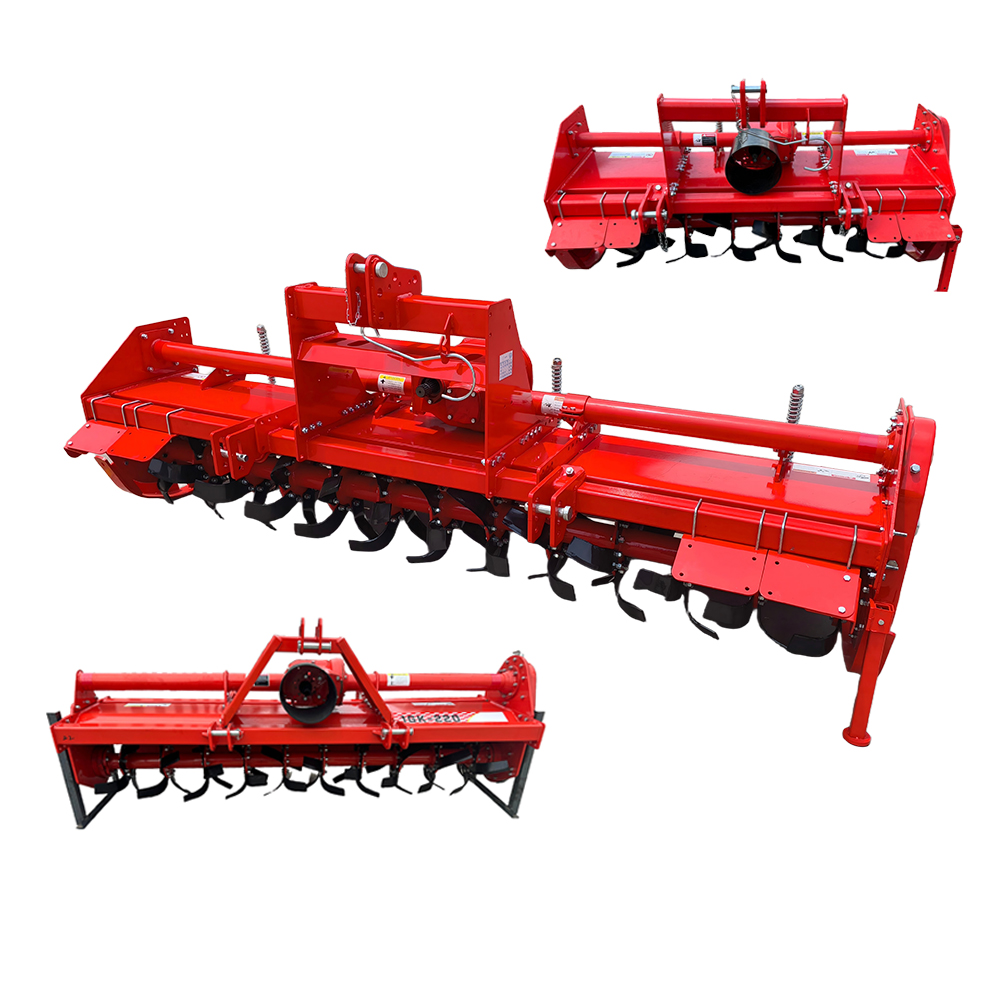
Explore MASCHIO-type rotary tillers from CXNOFIA, including 1MB, 1MC and 1GK series with 35–220 HP applications and 120–360 cm working widths.
MASCHIO-Type Rotary Tiller: 1MB, 1MC & 1GK Series Guide
Explore the complete rice transplanter spare parts list for Kubota, Yanmar and ISEKI machines. Learn which replacement parts wear out most frequently, what dealers should keep in stock, and how CXNOFIA provides one-stop agricultural machinery spare parts solutions worldwide.
Complete Rice Transplanter Spare Parts List: Top Replacement Parts for Kubota, Yanmar & ISEKI Machines