How to Choose the Right Rubber Track for Your Bobcat Machine
How to Choose the Right Rubber Track for Your Bobcat Machine
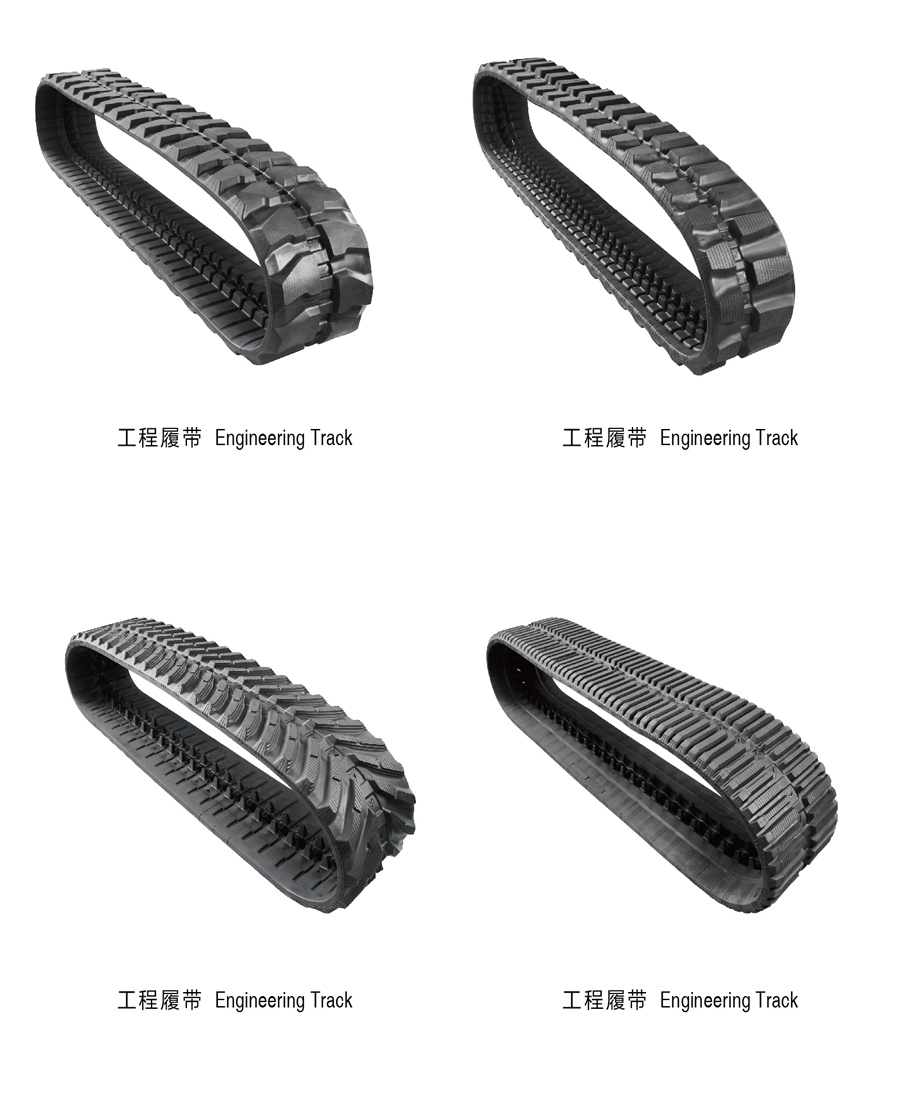
Choosing the correct rubber track is one of the most important decisions when maintaining your Bobcat compact excavator or compact track loader. Installing the wrong track size or an incompatible replacement can lead to premature wear, poor machine performance, increased operating costs, and even damage to the undercarriage.
This guide explains how to identify the right rubber track for your Bobcat machine and what factors to consider before placing an order.
1. Start with Your Machine Model
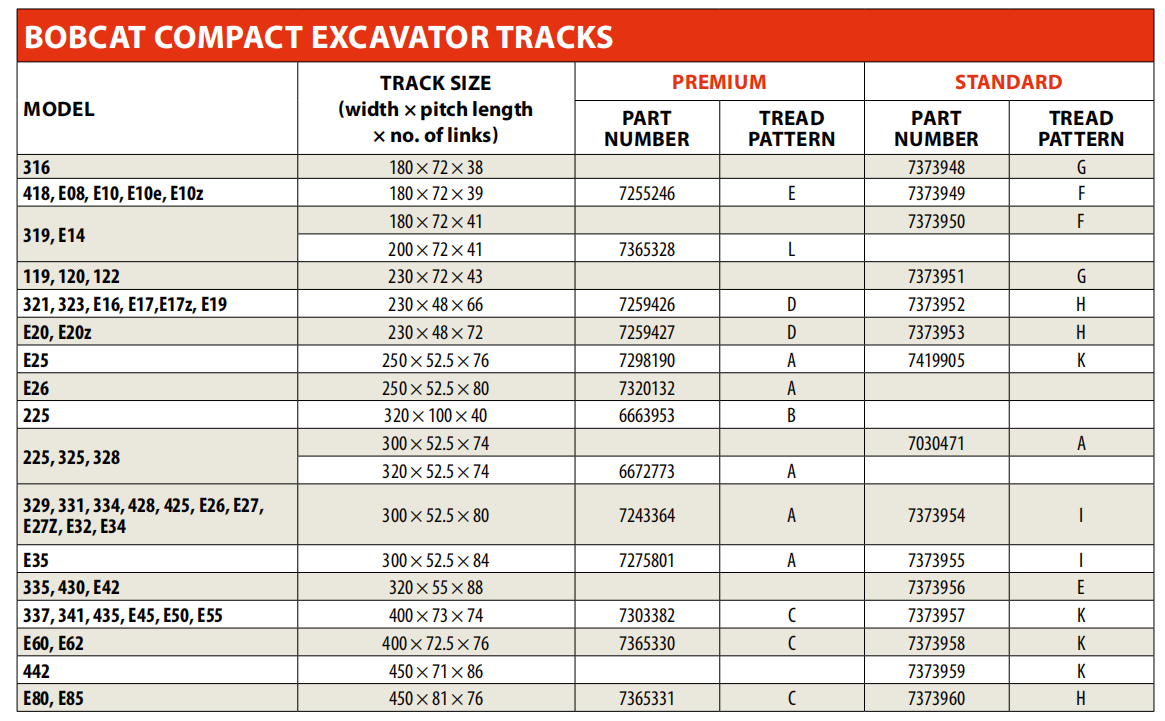
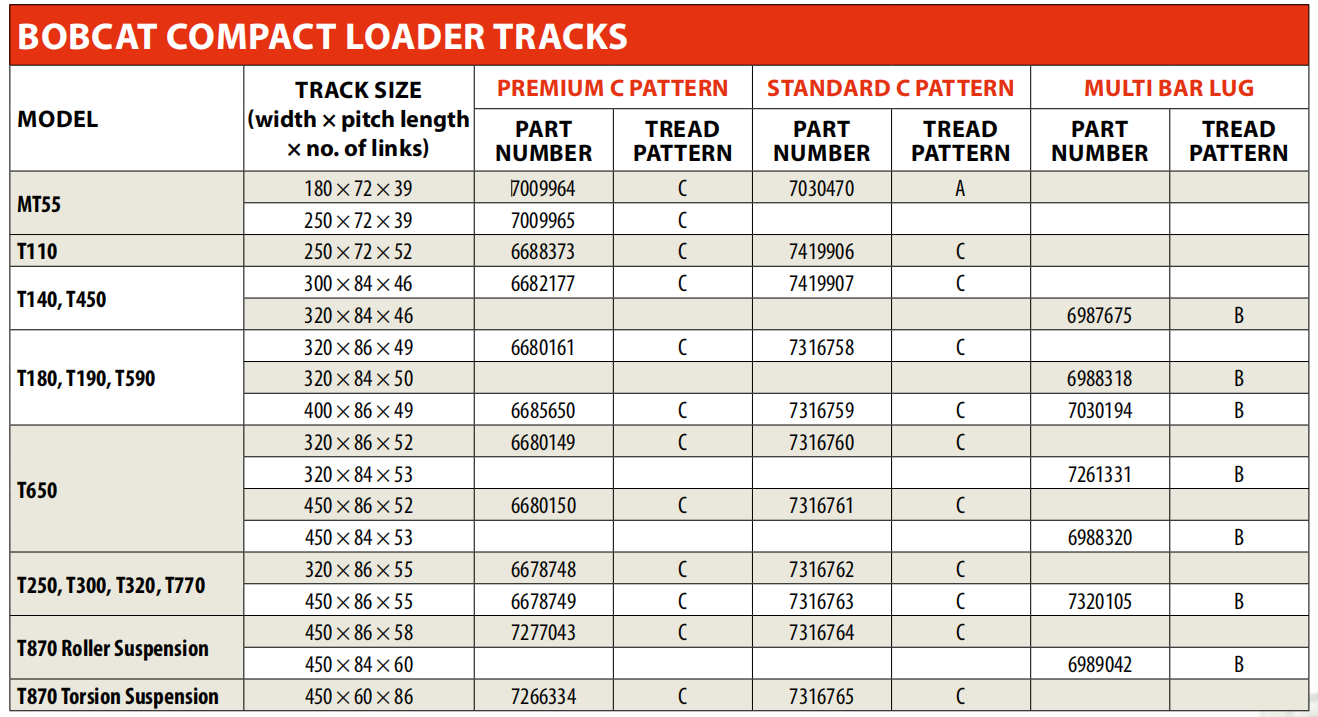
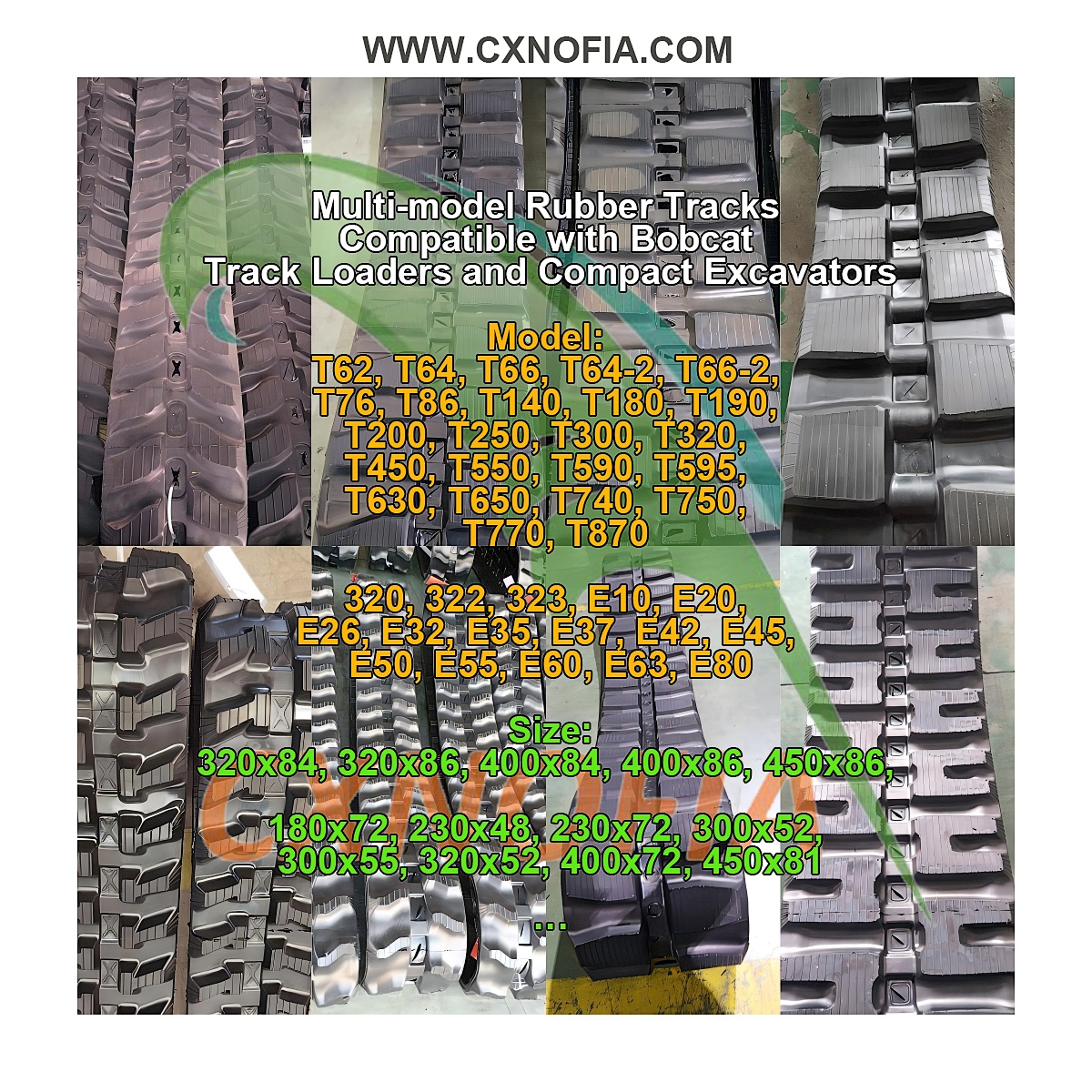
The easiest way to begin is by identifying your Bobcat model, such as:
-
Bobcat T66
-
Bobcat T190
-
Bobcat T450
-
Bobcat T595
-
Bobcat T650
-
Bobcat T770
-
Bobcat T870
-
Bobcat E35
-
Bobcat E42
-
Bobcat E45
While the machine model provides a good starting point, it should not be the only information used when selecting replacement tracks. Some models may have different undercarriage configurations depending on the production year or serial number.
2. Verify the Rubber Track Size
Every rubber track is identified by three numbers:
Width × Pitch × Number of Links
For example:
-
320 × 86 × 52
-
400 × 86 × 50
-
450 × 86 × 55
These numbers represent:
-
Width – The overall width of the rubber track (mm)
-
Pitch – The distance between drive lugs (mm)
-
Links – The total number of drive lugs inside the track
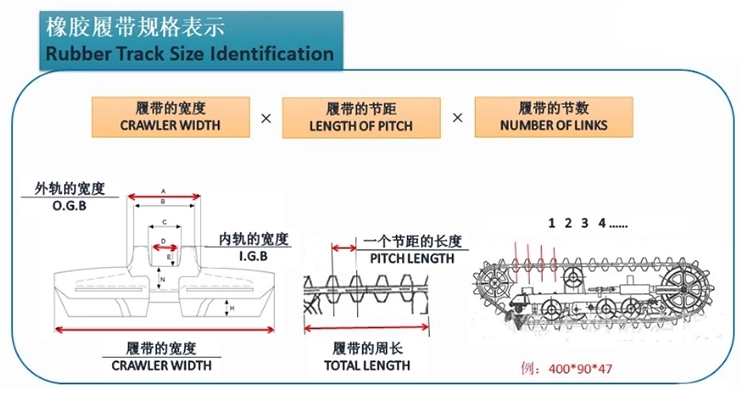
Always confirm all three measurements before ordering.
3. Check the Existing Track Markings
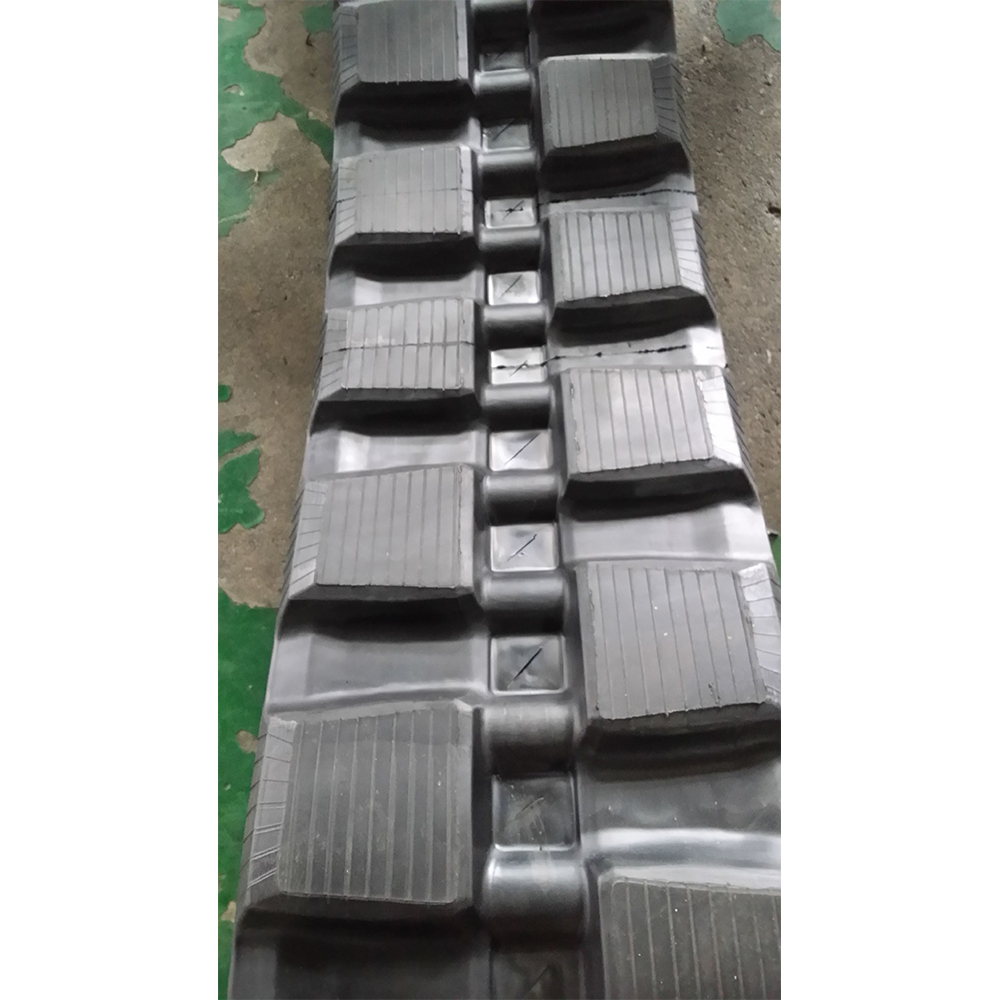
Many rubber tracks have the size molded into the inside or sidewall.
For example:
320×52.5×84
If the markings are still readable, this is often the fastest way to identify the correct replacement track.
If the markings are worn away, you can manually measure the track dimensions or refer to your machine's parts manual.
4. Confirm the OEM Part Number
The OEM part number provides another reliable way to verify compatibility.
Cross-checking the OEM number helps ensure the replacement track matches the original specifications for your machine.
For equipment fleets or distributors, using OEM part numbers can also simplify inventory management and reduce ordering errors.
5. Consider Your Working Conditions
Different job sites place different demands on rubber tracks.
Construction Sites
Look for tracks with excellent durability, cut resistance, and strong steel reinforcement.
Landscaping
Choose tracks designed to minimize ground disturbance while providing good traction.
Agriculture
Select tread patterns that offer reliable grip in soft soil and muddy conditions.
Demolition and Heavy-Duty Applications
Heavy-duty rubber compounds and reinforced internal construction help improve service life under harsh operating conditions.
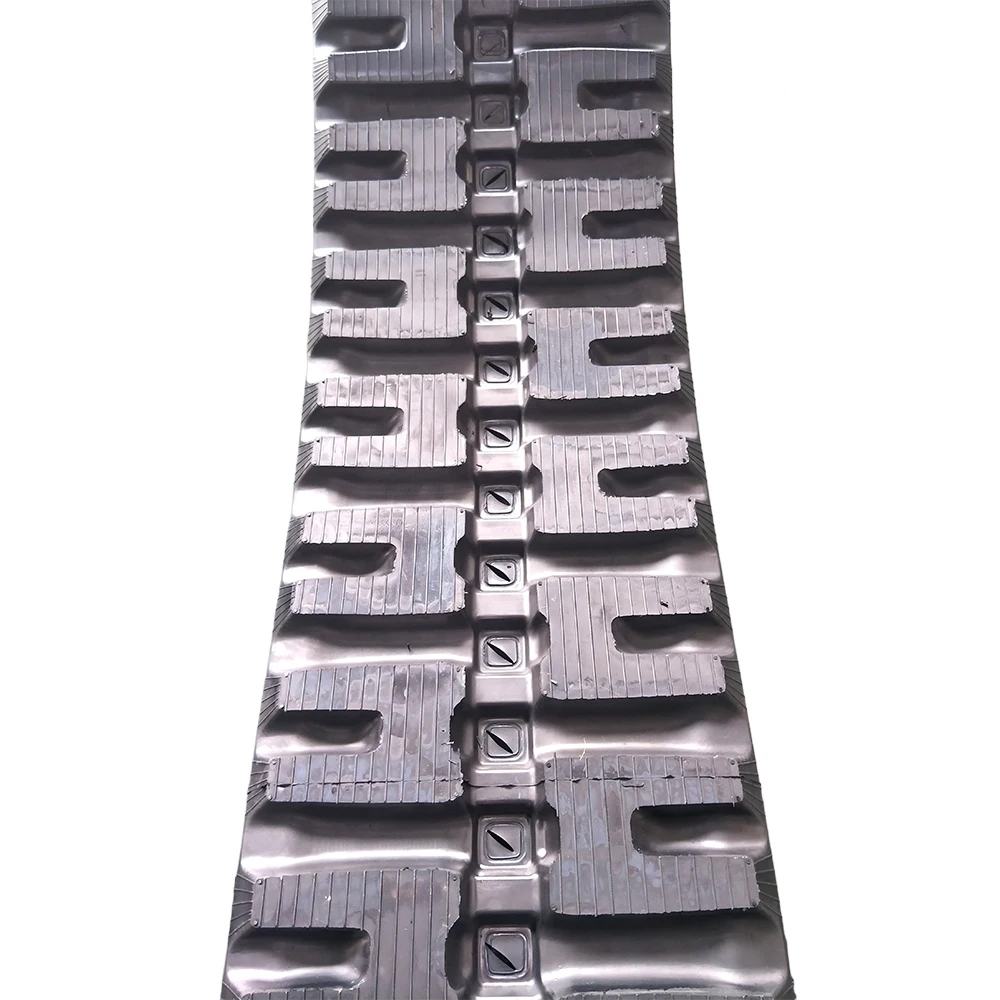
Choosing the right tread pattern for your application can improve productivity and reduce maintenance costs.
6. Pay Attention to Track Quality
Not all aftermarket rubber tracks are manufactured to the same standards.
When evaluating a replacement track, consider:
-
High-quality natural rubber compound
-
Continuous steel cords for added strength
-
Durable steel inserts
-
Strong bonding between rubber and internal components
-
Reliable wear resistance
-
Stable performance in demanding environments
A well-manufactured rubber track typically offers longer service life and lower overall operating costs.
7. Avoid Common Purchasing Mistakes
Many buyers make one of these common mistakes:
-
Ordering based only on the machine model
-
Ignoring different configurations within the same model
-
Forgetting to verify the number of links
-
Selecting the lowest-priced option without considering quality
-
Replacing only one track when both tracks have significant wear
Taking a few extra minutes to verify compatibility can help avoid unnecessary downtime and additional expenses.
Final Thoughts
Choosing the correct rubber track is about more than finding the right size. Machine model, track dimensions, OEM part number, application, and product quality all play important roles in ensuring reliable performance and long service life.
Before ordering replacement rubber tracks, always verify your machine information and track specifications carefully. If you're unsure which track is compatible with your equipment, consult your supplier with your machine model, serial number, or existing track size to ensure the correct fit.
At CXNOFIA, we supply high-quality aftermarket rubber tracks for a wide range of compact excavators and compact track loaders. Our team can help you identify the correct replacement track based on your machine model or OEM reference, helping you reduce downtime and keep your equipment working efficiently.
How to Choose the Right Corn Header for Your Combine Harvester
What Buyers Care About Most When Choosing a Tea Picking Machine
Related Article