Square vs Round Straw Baler Differences and Global Market Trends
Straw Baler: Square vs Round – Market Trends and Global Preferences
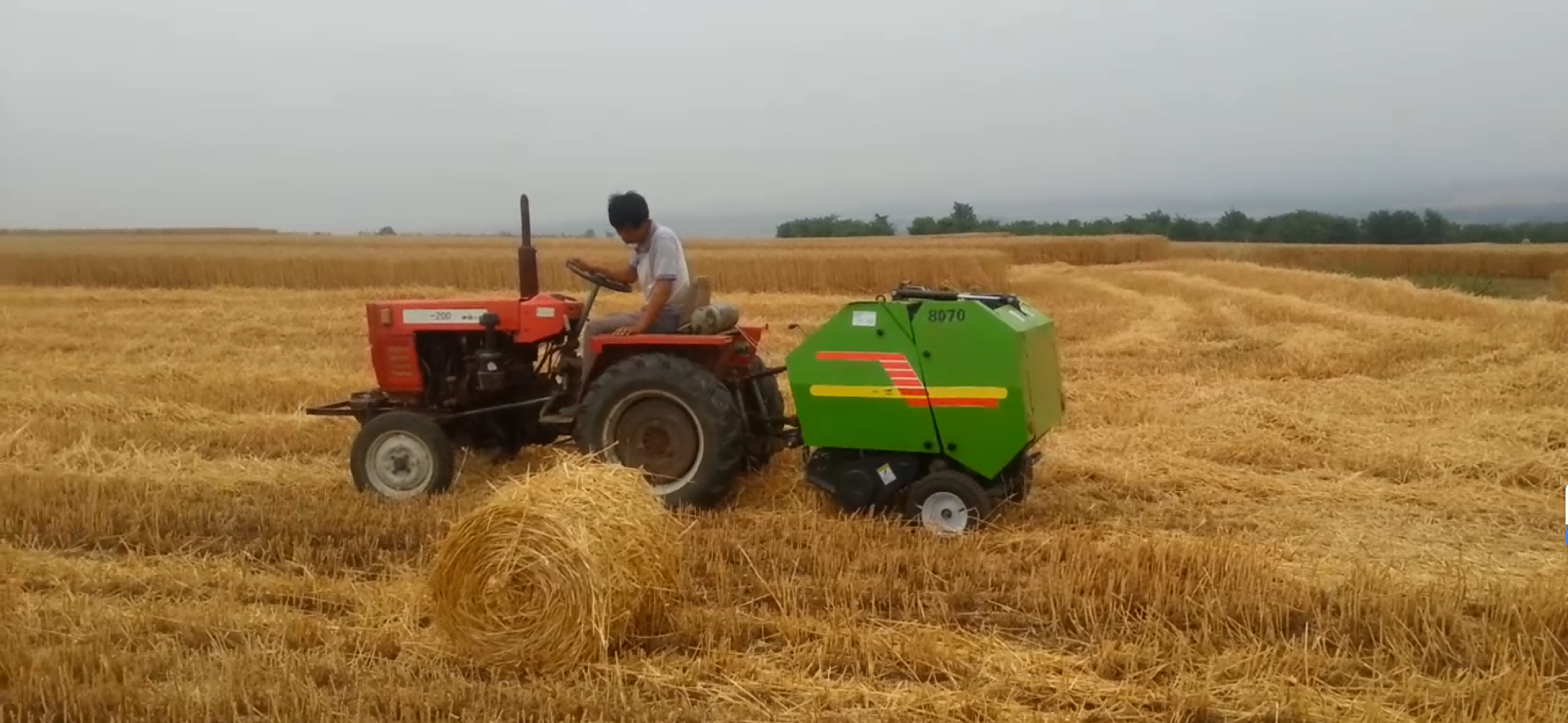
1. What Is a Straw Baler?
A straw baler is an essential agricultural machine designed to collect, compress, and bundle crop residues such as wheat straw, rice straw, corn stalks, and hay after harvesting. By transforming loose straw into compact bales, farmers can:
-
Reduce storage space
-
Improve transportation efficiency
-
Facilitate feeding and biomass utilization
-
Increase field cleanliness and operational efficiency
Straw balers are widely used in grain-producing regions across Asia, Europe, Africa, and the Americas, especially in countries where straw recycling, livestock feeding, and biomass energy are important industries.
2. Square Baler vs Round Baler: What’s the Difference?
Straw balers are mainly divided into square balers and round balers. While both serve the same fundamental purpose, they differ in bale shape, density, transport efficiency, and market positioning.
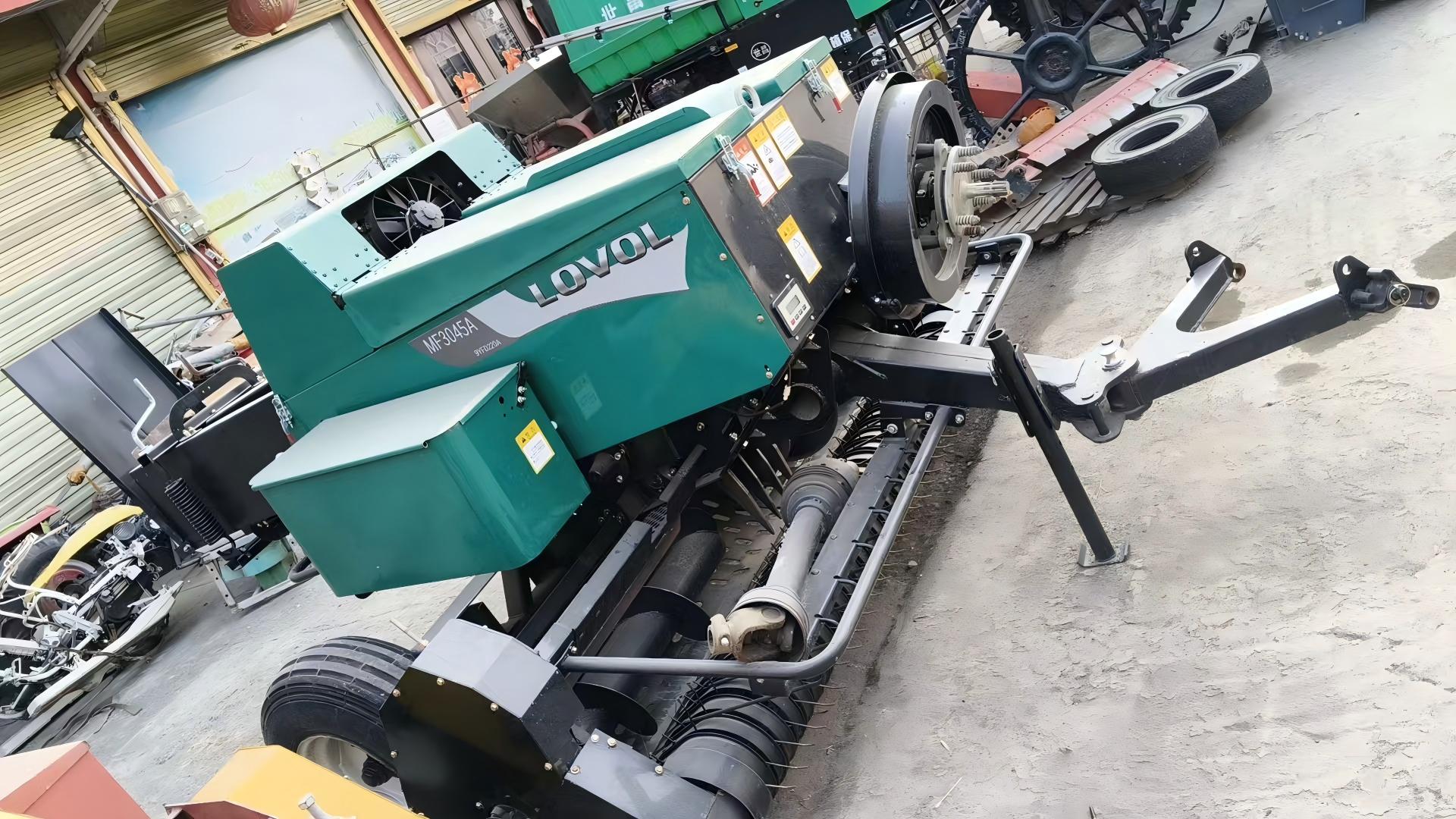
A. Square Straw Baler
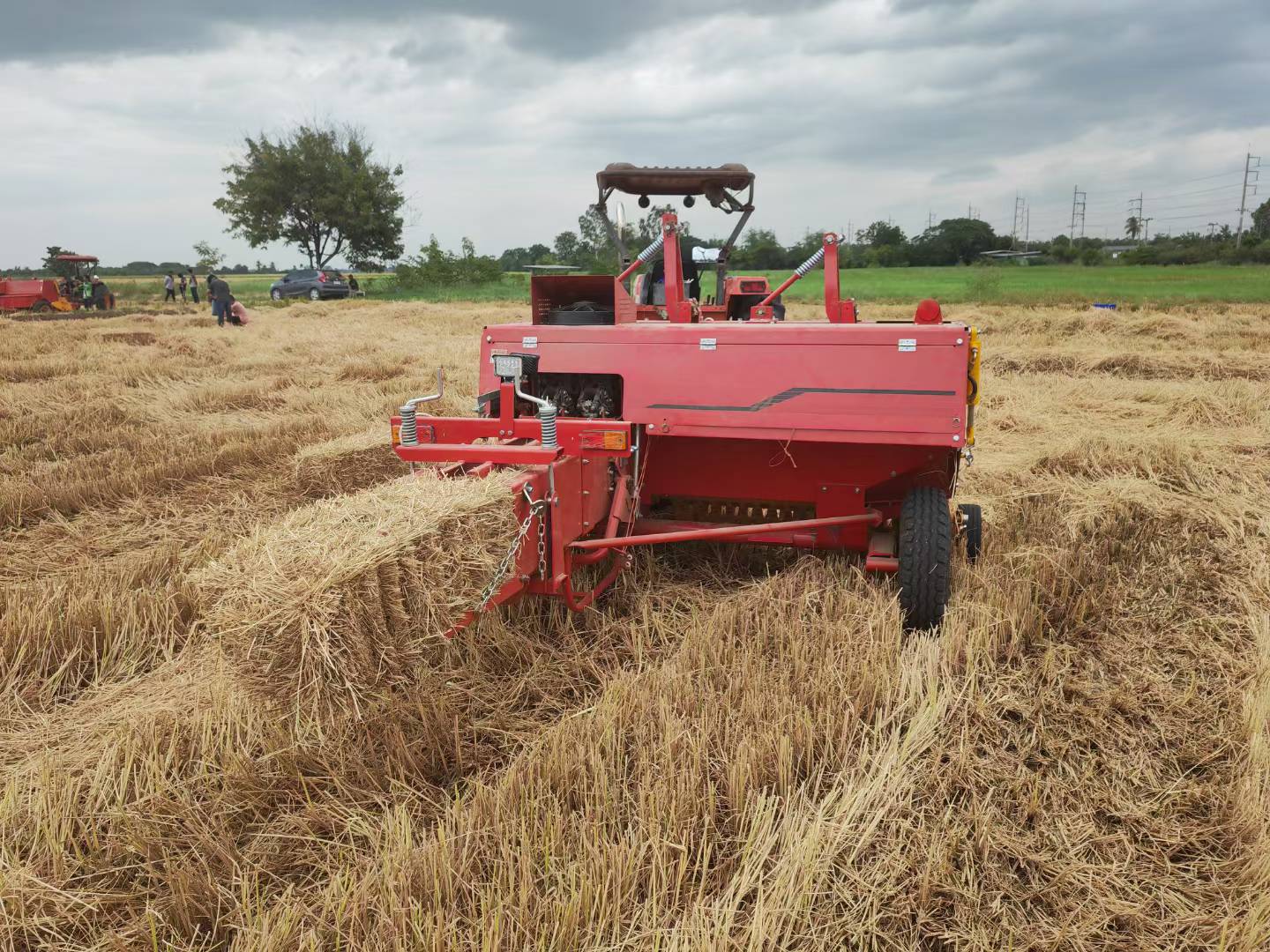
Key Features:
-
Produces rectangular bales
-
Uniform size and easy stacking
-
Convenient for manual handling (small bales)
-
Higher loading efficiency for trucks and containers
Advantages:
-
Easy to stack and store
-
Suitable for small and medium farms
-
Ideal for manual distribution and retail markets
-
More convenient for export logistics (container-friendly)
Best For:
-
Small-scale livestock farms
-
Regions with limited mechanized handling
-
Markets that prioritize transport effic
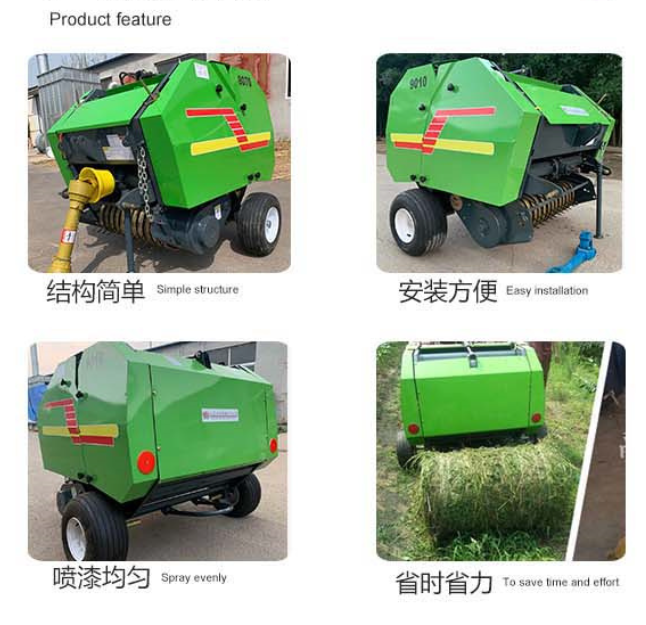
B. Round Straw Baler
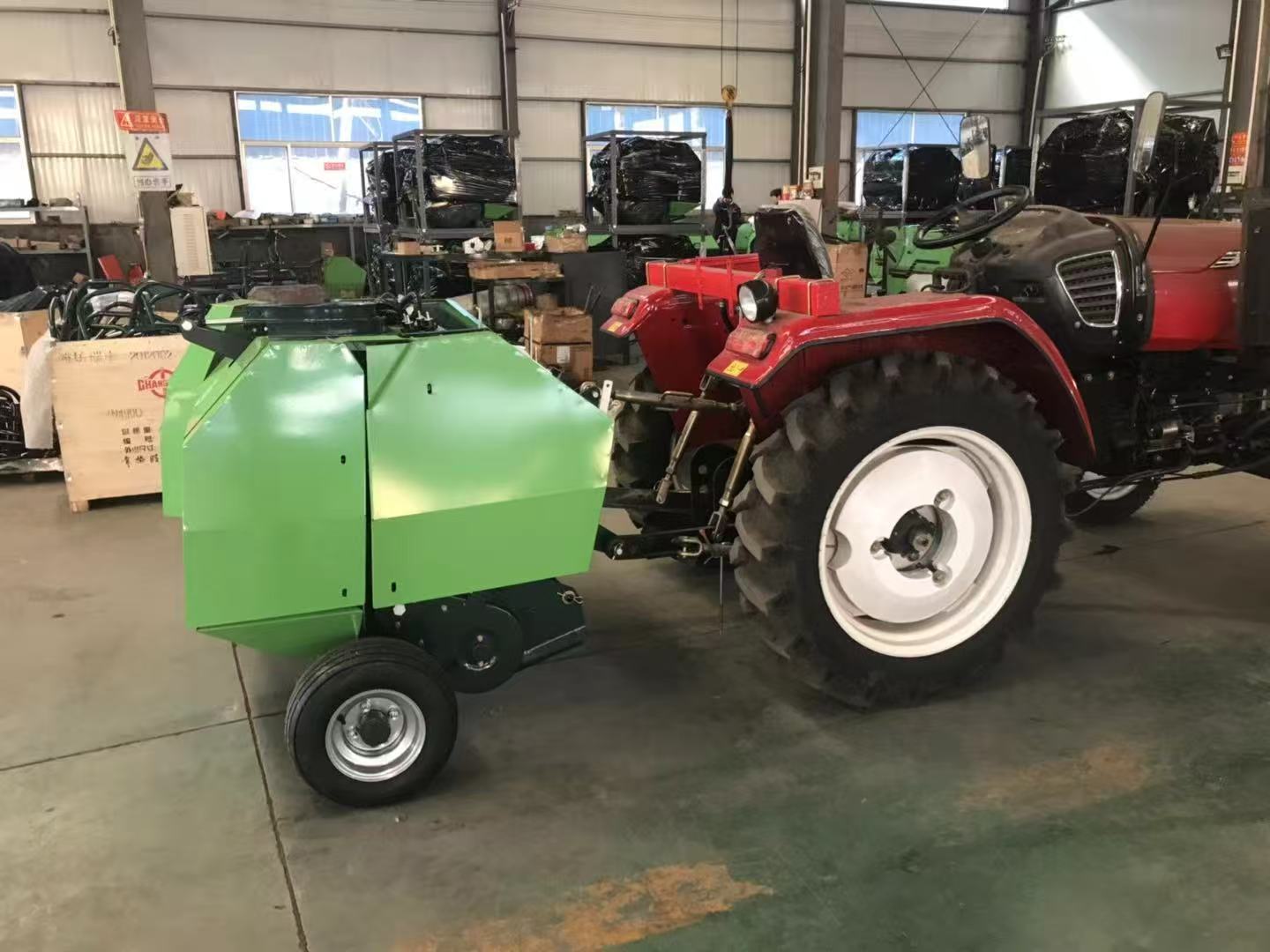
Key Features:
-
Produces cylindrical bales
-
Typically larger bale size
-
Higher compression density
-
Often fully automated
Advantages:
-
Suitable for large-scale farming
-
Faster baling speed
-
Better for mechanized handling
-
Reduced labor requirements
Best For:
-
Large commercial farms
-
Mechanized agriculture
-
Silage and high-volume straw operations
-
3. Which Countries Prefer Square or Round Balers?
Different regions choose baler types based on farm size, labor cost, mechanization level, and transportation infrastructure.
🇮🇳 India / 🇵🇰 Pakistan / 🇧🇩 Bangladesh
-
Predominantly small and medium farms
-
Labor cost relatively affordable
-
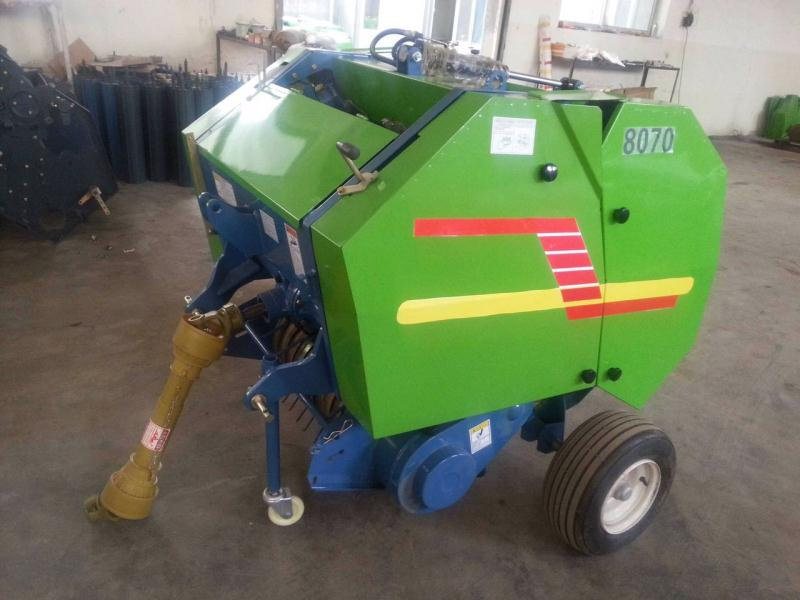
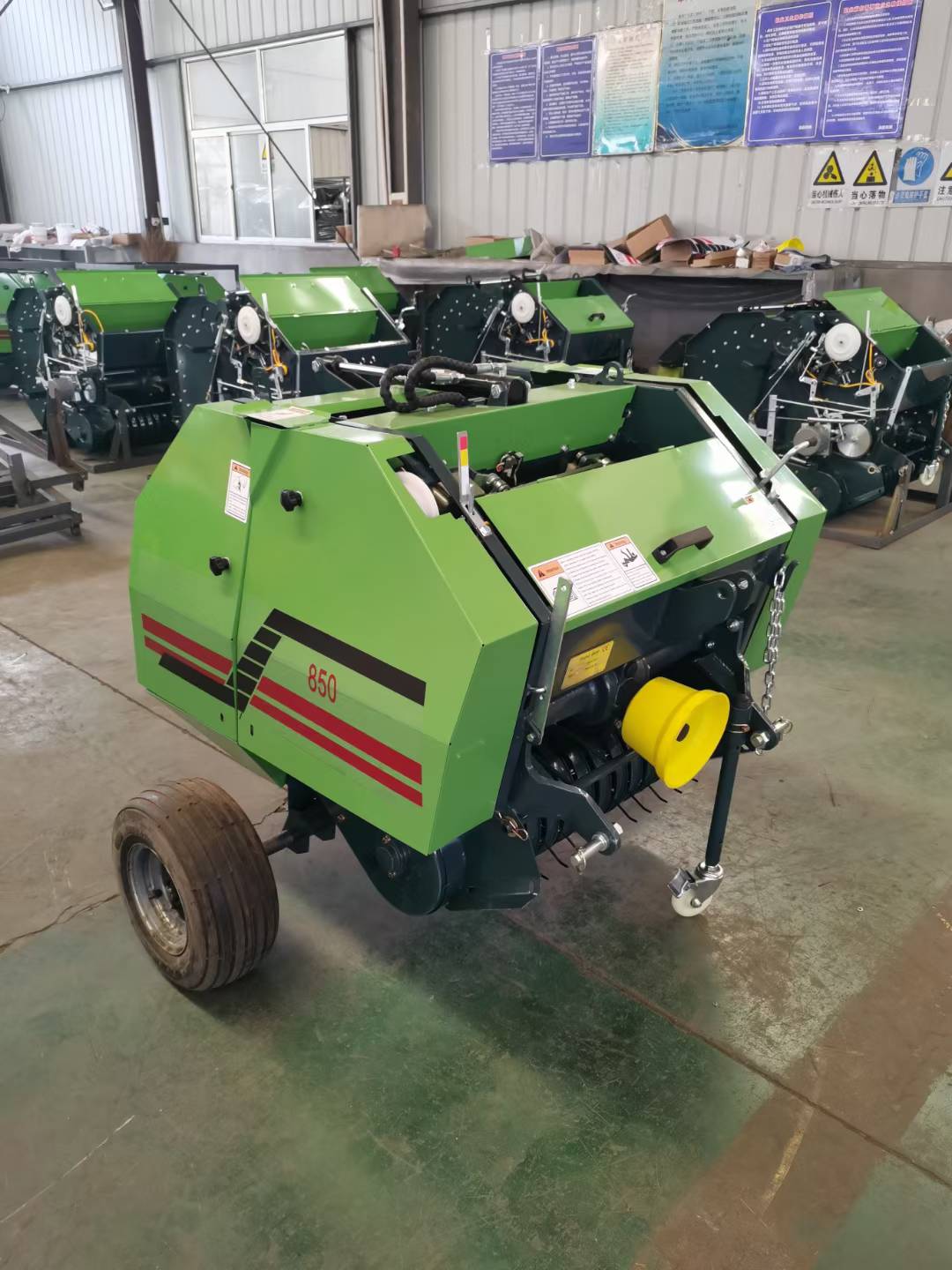
Strong demand for small square balers
-
PTO-driven, tractor-mounted models are popular
Square balers are preferred because bales are easier to transport in smaller vehicles and manually distribute.
🇻🇳 Vietnam / 🇹🇭 Thailand / 🇵🇭 Philippines
-
Growing mechanization
-
Mixed farm sizes
-
Demand for both small round balers and square balers
In rice-producing regions, compact balers suitable for narrow fields are especially popular.
🇪🇺 Europe (e.g., Germany, France, Poland)
-
Highly mechanized agriculture
-
Large-scale livestock farms
-
Strong preference for large round balers
Round bales are commonly used for silage and large livestock feeding systems.
🇺🇸 United States / 🇨🇦 Canada
-
Large-scale commercial farms
-
Advanced mechanization
-
Preference for high-capacity round balers and large square balers
Efficiency and automation are key decision factors.
🌍 Africa (e.g., Kenya, Zambia, Nigeria)
-
Emerging mechanization markets
-
Price-sensitive customers
-
Growing demand for affordable PTO-driven square balers
Durability and simple maintenance are major purchasing considerations.
4. How to Choose the Right Straw Baler?
When selecting a baler, buyers should consider:
1️⃣ Farm Size
Small farms → Small square baler
Large farms → Round baler or large square baler
2️⃣ Tractor Power
Check PTO horsepower requirements.
Most small balers are compatible with 20–60 HP tractors.
3️⃣ Labor Availability
Limited labor → Choose automated round baler
Sufficient labor → Square baler can be cost-effective
4️⃣ Transportation & Storage
Need container export or tight stacking → Square baler
Open-field storage → Round baler suitable
5. Market Trends in 2026
-
Increasing demand for PTO-driven compact balers
-
Growth in biomass energy and straw recycling projects
-
Rising interest in cost-effective solutions in South Asia and Africa
-
Automation and efficiency becoming key selling points in Europe and North America
With stricter environmental policies and increased awareness of straw utilization, balers are no longer just optional equipment—they are becoming a necessary part of modern agricultural systems.
6. Conclusion
Both square and round straw balers play important roles in modern farming. The choice depends on:
-
Farm scale
-
Mechanization level
-
Labor availability
-
Transportation conditions
-
Local market demand
Understanding regional preferences and operational requirements helps buyers make informed decisions and improve agricultural productivity.
If you are looking for a reliable straw baler solution for your market, selecting the right configuration based on your country’s farming conditions is the key to long-term success. 🚜🌾
CXNOFIA company provides a full range of agricultural machinery, parts, and implements.
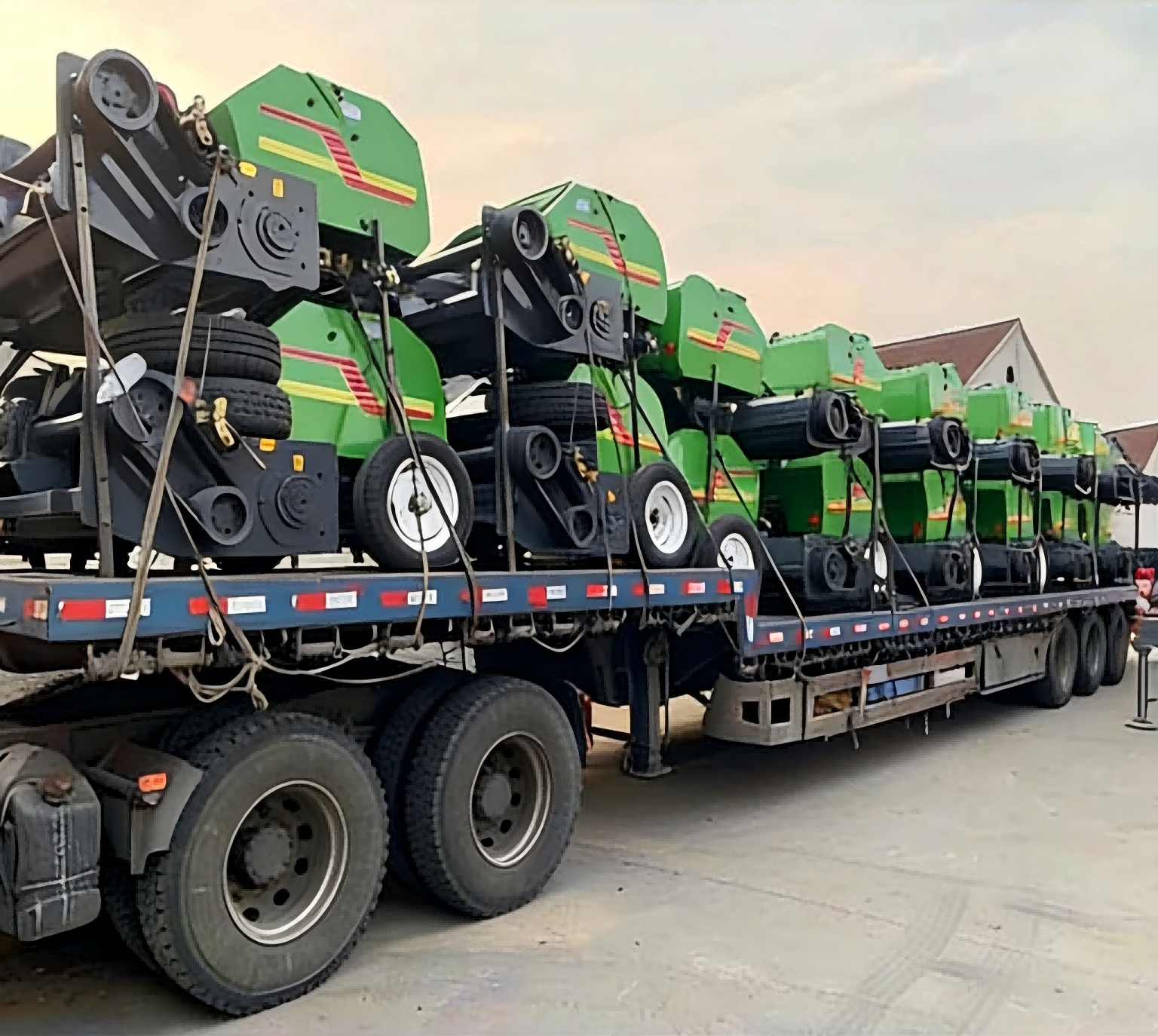
With our stable supply chain, flexible mixed-container services, and rapid communication, we remain committed to delivering durable, efficient, and cost-effective agricultural solutions to customers worldwide.
What Buyers Care About Most When Choosing a Tea Picking Machine
Key Buyer Concerns and Common Wear Parts in Silage Harvester Headers
Related Article