A Complete Guide to Lovol Combine Harvester Maintenance Key Parts, Replacement Guidelines & Proactive Care
Introduction
For farmers and machinery operators, a combine harvester is a major operational investment. Its performance during short and critical harvest windows has a direct impact on productivity, grain quality, and overall profitability.
Beyond correct operation, proactive maintenance—based on timely replacement of wear parts and regular self-inspection—is one of the most effective ways to prevent unexpected breakdowns and costly downtime. This guide outlines essential maintenance practices and parts awareness for Lovol combine harvester operators, helping ensure reliable performance throughout the harvest season.
Part 1: Critical Wear Parts & Replacement Guidelines
Prevent Issues Before They Become Breakdowns
Routine replacement of wear-and-tear components is essential for consistent harvesting performance. The following intervals are general reference guidelines commonly used in the field.
Actual replacement intervals may vary depending on machine model, crop type, field conditions, and operating intensity. Always refer to the official service manual for your specific machine.
| Part Category | Typical Components | Reference Replacement Interval* | Common Signs of Wear |
|---|---|---|---|
| Cutting & Feeding | Sickle sections, knife guards, feeder chains | Every 50–100 hectares or seasonally | Broken or bent sections, uneven cutting, chain slack or corrosion |
| Threshing & Separation | Rasp bars, concaves, sieves (chaffer, shoe) | Every 200–300 hectares or as inspected | Surface glazing, cracks, abnormal wear, increased grain loss |
| Power & Drives | V-belts, drive chains, gearbox oil | Check before season / replace per manual | Cracks, fraying, excessive slack, oil leaks or discoloration |
| Filters & Fluids | Engine oil, air, fuel, hydraulic filters | Per manufacturer specification | Clogging, degraded fluids, reduced engine or hydraulic performance |
*Intervals shown are indicative only.
Part 2: The 10-Minute Pre-Operation Self-Inspection Checklist
A brief inspection before each working day can identify minor issues before they escalate into serious failures. The following FAST checklist is designed for quick daily use:
F – Fluids & Filters
Check engine oil, coolant, and hydraulic fluid levels. Inspect the ground beneath the machine for signs of leakage.
A – Air Intake & Cooling
Ensure the air pre-cleaner, intake system, and radiator core are free of dust, chaff, and debris.
S – Safety & Structure
Test lights and horn. Check for loose or missing bolts, especially around guards and drive covers. Inspect the cutting platform for visible damage.
T – Tires & Tracks
Check tire pressure and look for cuts or abnormal wear. For crawler models, inspect track tension and visible component wear.
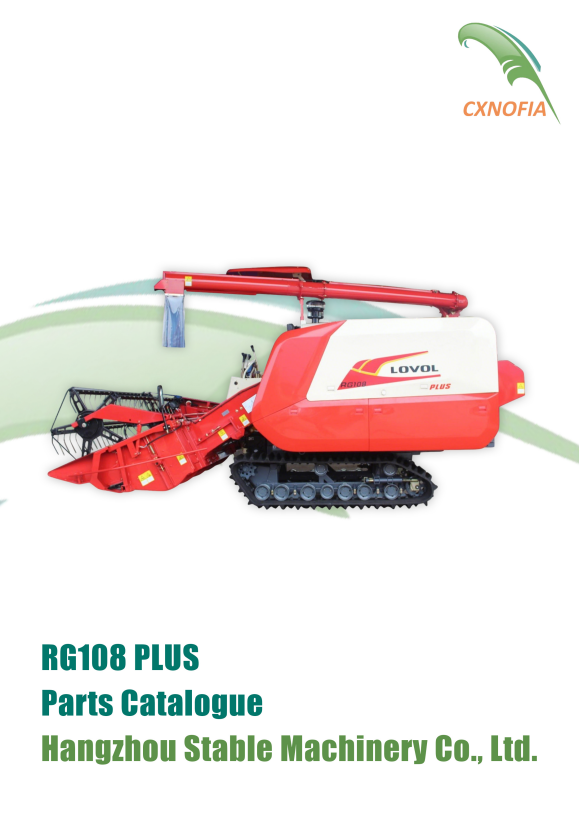
Part 3: The Importance of Correctly Matched Parts
Maintenance effectiveness depends not only on timing, but also on using properly matched components.
Fit and Compatibility
Lovol combine harvesters are engineered systems. Incorrectly sized or mismatched parts may cause poor performance, accelerated wear, or damage to adjacent components.
Durability and Long-Term Value
Parts manufactured to OEM specifications—in terms of material quality and heat treatment—typically offer longer service life and more stable performance than low-grade alternatives.
Accurate Identification
Using the correct model designation and reference part number remains the most reliable way to ensure compatibility and reduce installation issues.
Reliable Parts Supply for Proactive Maintenance
Even the best maintenance plan depends on timely access to the right parts. Without reliable supply, scheduled servicing becomes difficult to execute.
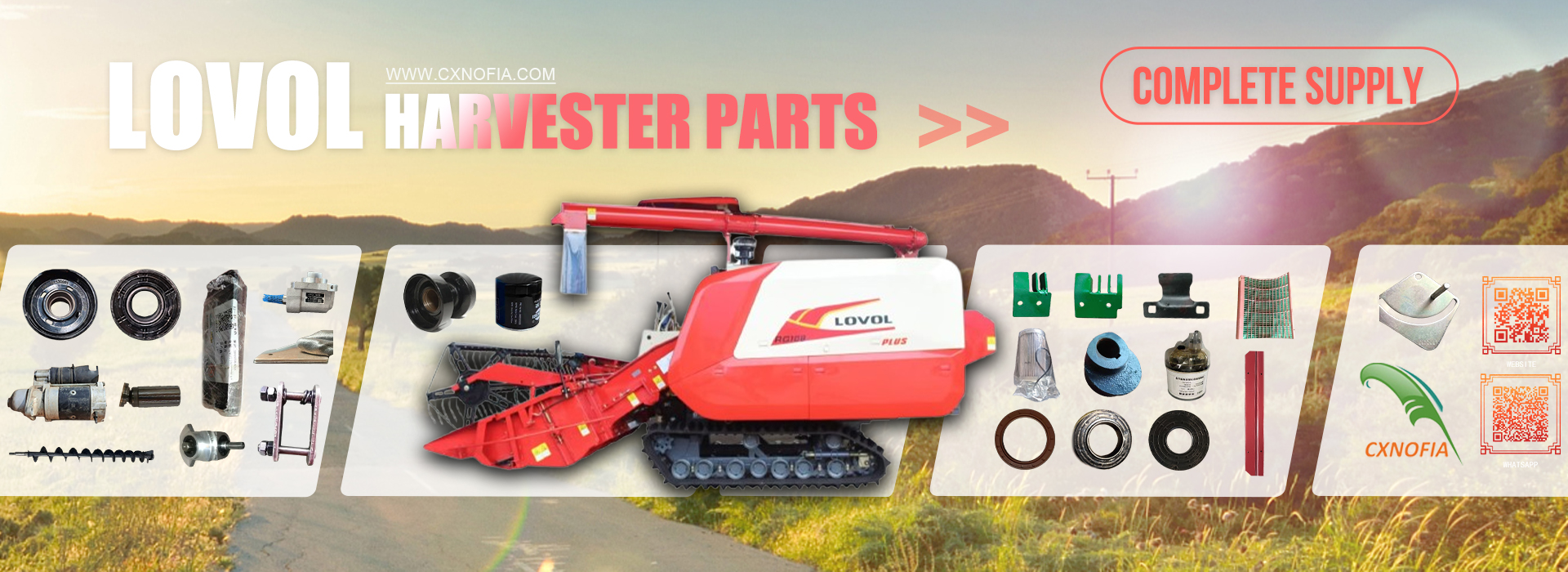
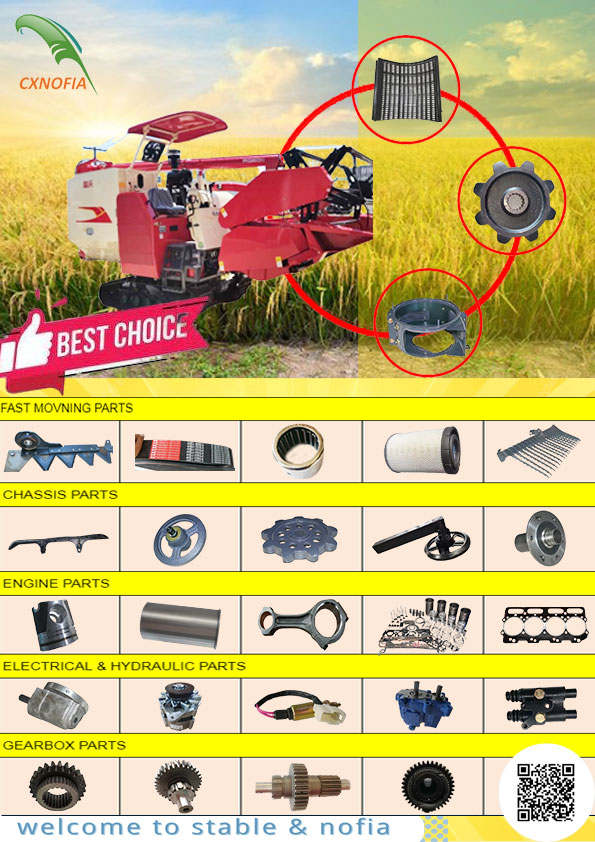
CXNOFIA support Lovol combine harvester operators by supplying OEM-standard and high-quality compatible parts for a wide range of Lovol combine models, including many legacy series still in active use. Our inventory focuses on high-demand wear components—such as sickle sections, rasp bars, filters, belts, and chains—along with selected assembly units.
By maintaining consistent stock and export-ready logistics, we help customers carry out planned replacements, maintain optimal service intervals, and reduce unexpected downtime during harvest operations.
Conclusion
Effective combine maintenance is not reactive—it is planned, systematic, and supported by the right parts. By following regular inspection routines, understanding wear patterns, and using correctly matched components, Lovol combine harvester operators can significantly improve machine reliability and harvesting efficiency.
A proactive approach not only protects your equipment investment, but also ensures stable performance when harvest timing matters most.
Ready to Support Your Maintenance Plan?
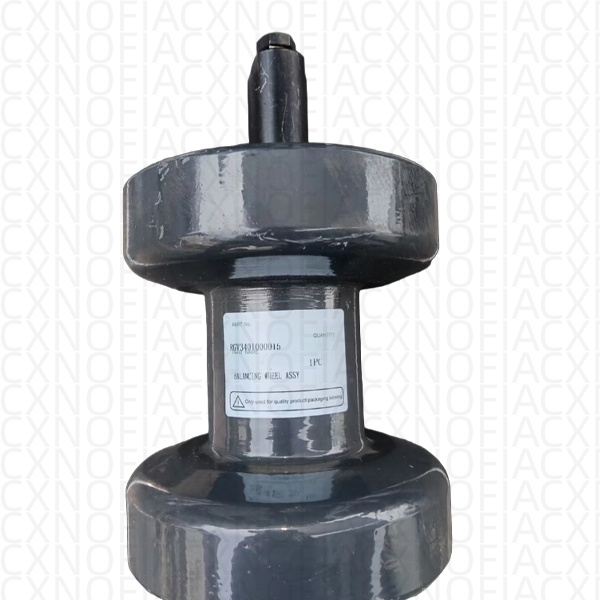
Explore our parts catalog to find matched components for Lovol combine harvesters, or contact our team for assistance in identifying the correct parts for your specific model and working conditions.
Our technical support team is available to help you plan replacements and maintain consistent machine performance throughout the season.
Trademark Notice
Lovol® is a registered trademark of its respective owner. This content is provided for general maintenance reference only and does not imply official affiliation or authorization.
Revolutionizing Paddy Weeding: What Buyers Care About Most in Rice Field Weeders
The Smart Choice for Global Farmers: Why Pre-Owned Combine Harvesters Are Gaining Momentum
Related Article