Combine Harvester Repair Tools: Types, Uses & Buying Guide
Essential Tools for Combine Harvester Repair: Types, Uses and Buying Guide
Combine harvesters work under demanding field conditions. During harvesting seasons, regular maintenance and timely repairs are important to keep machines operating efficiently and reduce unexpected downtime.
Whether replacing bearings, repairing the engine, maintaining the hydraulic system or servicing the cutting platform, different repair tasks require different tools.
For farmers, agricultural machinery repair shops and equipment distributors, choosing the right tools can make maintenance work easier and more efficient.
In this guide, we introduce the main types of combine harvester repair tools, their applications, differences and key points to consider when selecting them.
1. Hand Tools: Basic Equipment for Daily Maintenance
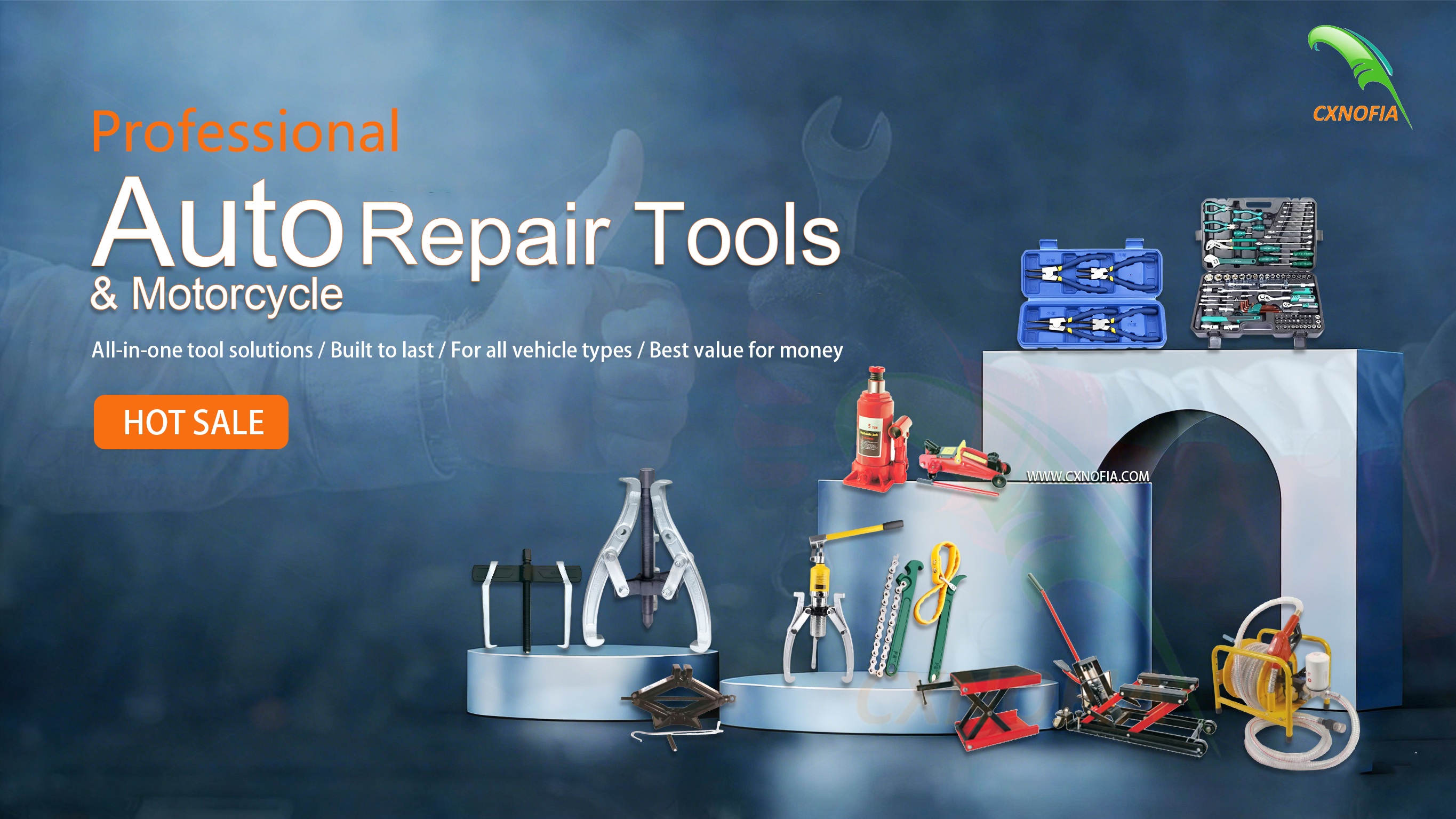
Hand tools are essential for almost every repair task. They are commonly used for tightening bolts, removing nuts and assembling mechanical components.
Common hand tools include:
-
Wrench Sets: Open-end wrenches, box-end wrenches and combination wrenches for fastening and loosening nuts and bolts.
-
Socket Wrench Sets: Used for removing and installing bolts of different sizes.
-
Ratchet Wrenches: Allow faster operation in areas with limited working space.
-
Screwdrivers: Used for removing and installing screws.
-
Pliers: Suitable for gripping, bending and cutting small components.
-
Hex Keys: Used for removing and installing hex socket bolts.
Who needs them?
Hand tools are suitable for farmers, individual machinery owners, repair technicians and agricultural machinery workshops. A complete wrench and socket set is a practical starting point for basic maintenance.
When selecting hand tools, consider the material, size range, surface treatment, durability and whether metric or imperial specifications are required.
2. Power Tools: Faster and More Efficient Repairs
Power tools help reduce manual effort and improve repair efficiency, especially when dealing with multiple bolts or tightly fastened components.
Common power tools for combine harvester maintenance include:
-
Cordless Impact Wrench: Used for quickly loosening and tightening bolts.
-
Cordless Ratchet Wrench: Suitable for working in narrow spaces around engines and mechanical assemblies.
-
Cordless Drill: Used for drilling holes and other repair applications.
-
Angle Grinder: Used for cutting, grinding and surface preparation.
-
Electric Screwdriver: Suitable for small screws and light assembly work.
How to Choose an Impact Wrench?
Impact wrenches are among the most useful power tools for agricultural machinery repair.
Different models are available for different working conditions:
-
1/2-inch Impact Wrench: Suitable for general maintenance and common fastening tasks.
-
3/4-inch Impact Wrench: Better suited to larger fasteners and heavier repair work.
-
1-inch Impact Wrench: Designed for heavy-duty applications.
Other important factors include maximum fastening torque, breakaway torque, battery capacity, speed and power source.
Cordless models offer greater mobility in the field, while pneumatic impact wrenches are suitable for workshops with an air compressor.
3. Pullers and Removal Tools: Essential for Bearing and Gear Replacement
Bearings, gears, pulleys and shafts are important components of combine harvesters. Removing tightly fitted parts without damaging surrounding components can be challenging.
Pullers and removal tools are designed to make these jobs easier.
Common types include:
-
2-Jaw Puller: Suitable for certain removal tasks where working space is limited.
-
3-Jaw Puller: Provides three-point gripping and more evenly distributed pulling force.
-
Internal Puller: Designed to grip components from the inside.
-
External Puller: Grips the outside of gears, pulleys and other components.
-
Bearing Separator: Helps separate bearings and other tightly fitted components.
-
Hydraulic Puller: Provides greater pulling force for demanding removal applications.
-
Slide Hammer Puller: Used for removing components that require a pulling impact.
What Should You Consider When Choosing a Puller?
Different pullers are designed for different removal conditions. Before purchasing, consider:
-
Pulling Range: The maximum and minimum gripping diameter.
-
Reach: The available pulling depth.
-
Pulling Capacity: The maximum rated pulling force.
-
Jaw Design: Two-jaw, three-jaw, internal or external gripping structures.
-
Accessories: Whether the set includes a bearing separator, extension accessories or replacement jaws.
For general repair work, mechanical puller sets offer good versatility. Hydraulic pullers are more suitable for professional workshops handling larger and tighter components.
4. Measuring and Diagnostic Tools: Accurate Inspection and Maintenance
Not all repair tools are designed for disassembly. Some are used to inspect component dimensions, check electrical systems and ensure correct installation.
Common measuring and diagnostic tools include:
-
Torque Wrench: Tightens bolts to specified torque values.
-
Digital Torque Wrench: Displays torque readings digitally.
-
Vernier Caliper: Measures external, internal and depth dimensions.
-
Micrometer: Provides more precise measurements of shafts and other components.
-
Dial Indicator: Checks runout, alignment and mechanical movement.
-
Digital Multimeter: Tests voltage, current and electrical resistance.
-
Infrared Thermometer: Measures surface temperature without direct contact.
Mechanical or Digital Torque Wrench?
Mechanical click-type torque wrenches are widely used in general repair work. They are relatively simple to operate and suitable for routine maintenance.
Digital torque wrenches provide clear readings and additional functions on some models, making them useful for professional technicians who need more detailed measurements.
When choosing a torque wrench, pay attention to its torque range, accuracy, drive size and calibration requirements.
Always follow the manufacturer's recommended torque specifications for the relevant machine and component.
5. Hydraulic Service Tools: For Hydraulic System Maintenance
Hydraulic systems are widely used in combine harvesters for steering, lifting and controlling different machine functions.
Maintaining these systems requires specialized tools.
Common hydraulic service tools include:
-
Hydraulic Pressure Test Kit: Used to check hydraulic system pressure.
-
Hydraulic Pressure Gauge: Measures operating pressure.
-
Hydraulic Hose Crimping Machine: Connects fittings to hydraulic hoses.
-
Hydraulic Hand Pump: Provides pressure for testing and other hydraulic applications.
-
Seal Installation Tools: Help install oil seals and other sealing components.
-
O-Ring Installation Tools: Assist with the installation of O-rings.
For general maintenance workshops, hydraulic pressure test kits and seal installation tools are practical choices.
For businesses providing hydraulic hose services, hose crimping machines and related accessories may be more suitable.
6. Lifting and Supporting Equipment: Handling Heavy Components
Some combine harvester repairs involve removing or replacing heavy components, such as engines, transmissions and cutting platform assemblies.
Lifting and supporting equipment helps technicians handle these components more safely.
Common equipment includes:
-
Hydraulic Bottle Jack: Used for lifting heavy machinery at suitable lifting points.
-
Hydraulic Floor Jack: Provides convenient mobile lifting in workshops.
-
Engine Hoist: Used for lifting and moving engines.
-
Manual Chain Hoist: Suitable for lifting and positioning heavy components.
-
Jack Stands: Provide stable support during maintenance.
-
Hydraulic Transmission Jack: Designed for handling heavy transmission assemblies.
When selecting lifting equipment, check the rated capacity, lifting range, minimum height and stability.
Always use suitable support stands and follow the machine manufacturer's lifting instructions. A hydraulic jack alone should never be used as the only support when working underneath raised machinery.
7. Cleaning and Lubrication Tools: Supporting Regular Maintenance
Dust, crop residue, mud and grease can accumulate on combine harvesters during operation.
Regular cleaning and lubrication help maintain machine condition and make inspections easier.
Common maintenance tools include:
-
Air Compressor: Supplies compressed air for cleaning and pneumatic tools.
-
Air Blow Gun: Removes dust and crop residue from accessible areas.
-
Pressure Washer: Cleans machine surfaces and undercarriage areas.
-
Grease Gun: Applies grease to bearings, joints and lubrication points.
-
Pneumatic Grease Gun: Provides faster lubrication for frequent maintenance.
-
Parts Washer: Cleans removed mechanical components.
A grease gun is particularly useful for routine agricultural machinery maintenance because many machines have multiple lubrication points that require regular attention.
8. Welding and Cutting Tools: For Metal Repair Work
Metal brackets, guards and structural components may require welding, grinding or cutting during certain repair operations.
Common equipment includes:
-
Arc Welding Machine: Used for general metal welding.
-
MIG/MAG Welding Machine: Suitable for various metal fabrication and repair applications.
-
TIG Welding Machine: Used for more controlled and precise welding.
-
Plasma Cutter: Cuts suitable conductive metal materials.
-
Angle Grinder: Used for cutting and grinding metal surfaces.
-
Welding Helmet: Protects the operator during welding.
These tools are mainly suitable for professional repair workshops and technicians with appropriate welding experience.
Not all damaged combine harvester components can be repaired by welding. Components subject to high stress, heat treatment or high-speed rotation must be assessed according to the manufacturer's repair requirements.
9. How to Choose the Right Repair Tools for Different Users
Different users have different maintenance needs and purchasing priorities.
Farmers and Individual Machinery Owners
Basic hand tools, socket sets, grease guns, multimeters and cordless impact wrenches are practical choices for routine maintenance and minor repairs.
Agricultural Machinery Repair Shops
Professional workshops generally need a wider selection, including hand tools, power tools, bearing pullers, torque wrenches, hydraulic jacks and measuring instruments.
Professional Service Centers
These businesses may require specialized equipment such as hydraulic pullers, pressure testing kits, hydraulic presses, engine hoists and professional diagnostic tools.
Agricultural Machinery Importers and Distributors
Importers and distributors may focus on complete product ranges, competitive wholesale prices, consistent quality and suitable packaging. Offering different specifications and product grades can help serve various customer groups.
10. Key Factors to Consider When Buying Agricultural Machinery Repair Tools
Before selecting tools for combine harvester maintenance, consider the following factors:
1. Application
Identify the intended repair tasks. Tools for bearing replacement are different from those required for engine maintenance or hydraulic system inspection.
2. Specifications
Check dimensions, torque range, pulling capacity, lifting capacity and compatibility with the intended application.
3. Material and Durability
For frequently used mechanical tools, pay attention to material composition, manufacturing quality, surface treatment and wear resistance.
4. Manual, Electric or Hydraulic Operation
Manual tools are generally simple and economical. Electric tools improve working efficiency, while hydraulic tools are suitable for applications requiring greater force.
5. Product Quality and Safety
Check rated performance, relevant testing documentation, calibration requirements and applicable safety standards.
6. Accessories and Spare Parts
Complete tool sets, interchangeable attachments and available replacement parts can improve long-term usability.
Conclusion
Combine harvester maintenance involves many different tasks, from basic bolt tightening and lubrication to bearing replacement, engine repair and hydraulic system inspection.
Choosing the right repair tools depends on the machine, the repair task and the user's technical requirements.
For farmers, basic maintenance tools are often sufficient for routine work. Agricultural machinery repair shops may need more complete tool sets, while professional service centers require specialized equipment for advanced repairs.
At CXNOFIA, we focus on agricultural machinery parts and related sourcing solutions. From combine harvester spare parts to maintenance tools and supporting equipment, we aim to make agricultural machinery procurement more convenient for importers, distributors and machinery businesses.

CXNOFIA – Your One-Stop Agricultural Machinery Sourcing Partner.
Contact us to explore agricultural machinery parts, repair tools and related products for your market.
How to Choose the Right Corn Header for Your Combine Harvester
Related Article