Durability And Material Upgrades In Tractor And Harvester Parts: Multi-Brand Compatibility For Enhanced Efficiency
Durability and Material Upgrades in Tractor and Harvester Parts: Multi-Brand Compatibility for Enhanced Efficiency
In the agricultural machinery market, the durability of tractor and harvester parts, along with their compatibility across multiple brands and models, has become a critical concern for farmers and equipment owners. As the demand for more resilient, adaptable, and cost-effective solutions rises, manufacturers are making significant strides in upgrading the materials used in these components. At the same time, they are focusing on developing multi-brand compatible parts that offer more flexibility to farmers who operate diverse fleets. This article explores the latest advancements in materials and design, as well as the benefits of universal components in agricultural machinery.

Durability: A Core Demand
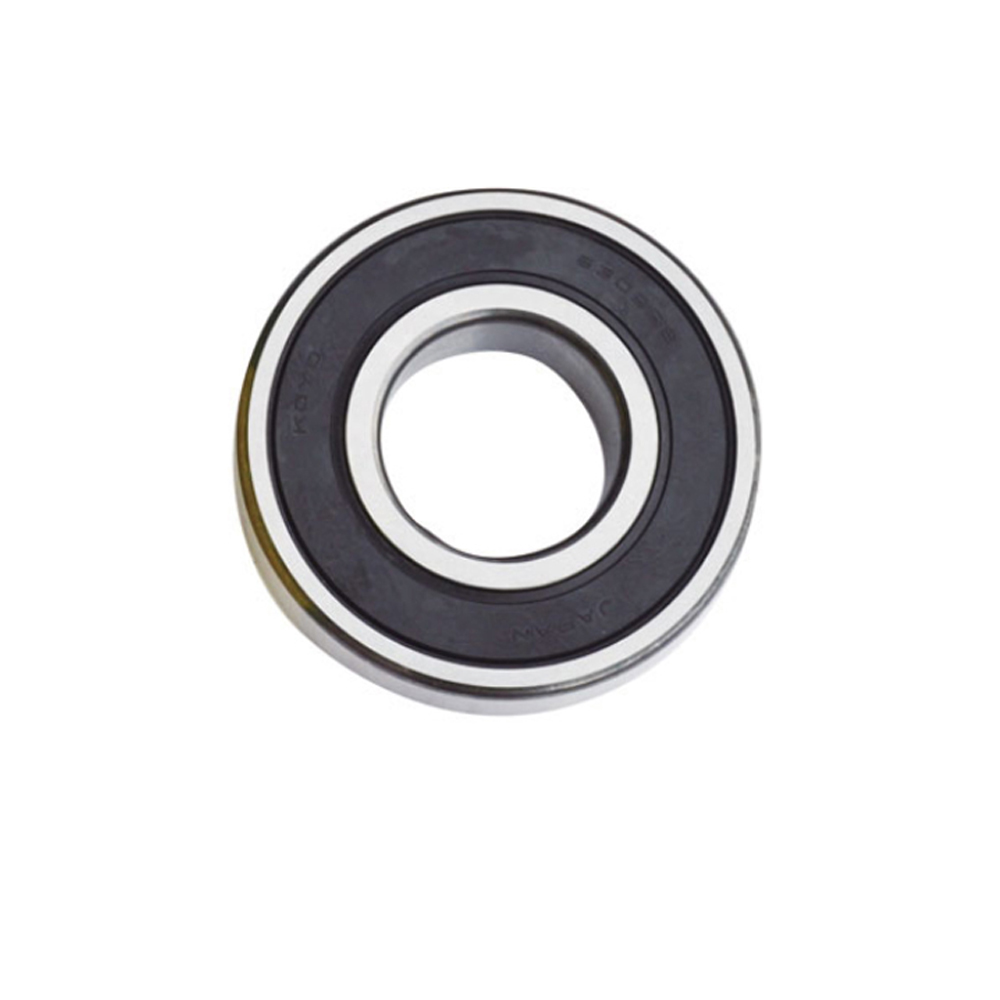
One of the primary concerns for agricultural machinery owners is the durability of spare parts. Agricultural equipment often operates under extremely harsh conditions, from exposure to mud, dust, and water to the rigorous stresses of plowing, harvesting, and tilling. In such environments, the lifespan of parts can be severely limited if they are not built from high-quality materials. Parts like bearings, blades, belts, filters, and tires take the brunt of these conditions and require frequent replacement if they lack durability.
To meet this demand, manufacturers have been shifting their focus toward high-performance materials. Steel, traditionally the go-to material for many parts, is now being improved upon. New alloys and treatments such as boron steel are being introduced, which significantly improve wear resistance. For example, boron-treated steel parts, such as plowshares and tillage components, offer greater resistance to abrasion and wear, allowing them to last several seasons longer than standard steel components.
In addition to steel, other advanced materials like carbon composites and high-strength plastics are gaining traction in the market. These materials not only reduce weight but also improve overall performance in harsh environments. High-performance plastics, for instance, are now being used in bearings, seals, and other components that require excellent resistance to corrosion and wear. These plastics can operate under extreme temperature variations without degrading, making them ideal for long-term use in various agricultural applications.
Ceramic coatings on parts like engine components are another innovation helping improve durability. By applying a ceramic layer to critical engine parts, manufacturers reduce friction and wear, resulting in better heat resistance and prolonged part life. Ceramic coatings can withstand extreme temperatures and rough conditions, thus increasing the durability and performance of the machinery over time.
Material Upgrades for Enhanced Efficiency
One of the major benefits of upgraded materials is the resulting efficiency improvements in equipment performance. For example, lighter materials like aluminum and carbon fiber have been incorporated into certain parts to reduce the overall weight of the machinery. This, in turn, helps reduce fuel consumption, making operations more cost-effective. The reduced weight also minimizes wear and tear on other components, extending the lifespan of the entire machine.
Additionally, modern materials offer greater corrosion resistance, which is particularly beneficial for equipment exposed to fertilizers, pesticides, and constant moisture. Farmers working in areas prone to rust-inducing environments, such as coastal regions or humid climates, benefit significantly from the use of corrosion-resistant materials. Parts made from high-performance alloys and composites not only last longer but also require less frequent maintenance, reducing the downtime associated with repairs.

Multi-Brand Compatibility: A Game Changer
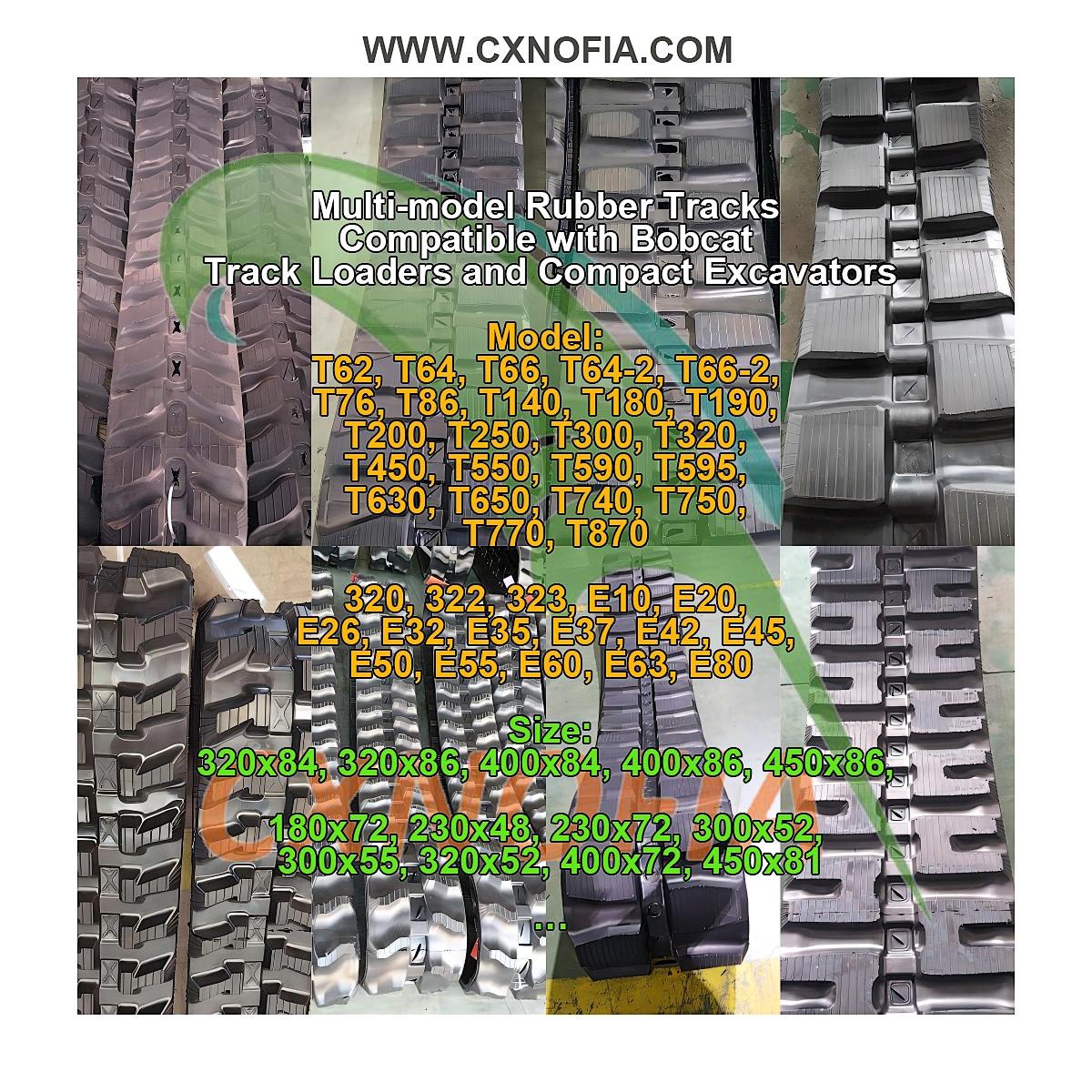
Another key area of interest in the agricultural parts market is the rise of multi-brand compatible components. Farmers and machinery owners, particularly those managing fleets with diverse tractor or harvester brands, often struggle with the availability and high cost of brand-specific spare parts. To address this challenge, manufacturers are developing universal parts that are compatible across multiple brands and models.
The shift towards multi-brand compatibility is driven by a few factors. First, it offers significant cost savings to farmers, who no longer need to stock parts from several different manufacturers. Second, it simplifies maintenance and repairs, as mechanics can use a single part across different machines, streamlining the repair process. Finally, multi-brand compatibility offers greater flexibility in operations, allowing farmers to mix and match equipment without worrying about specific part availability.
For example, universal components such as hydraulic cylinders, PTO (power take-off) shafts, and drive belts are now being manufactured to fit a wide range of machinery from different brands. These parts are designed to meet or exceed the performance standards of original equipment manufacturers (OEMs), ensuring that they offer the same level of durability and efficiency. Multi-brand compatibility is particularly useful in regions where access to specific brand dealerships and parts may be limited.
The development of standardized parts is also a response to the increasing trend of machine customization. Farmers often modify their tractors and harvesters to better suit their specific operational needs. With multi-brand compatible parts, they have more freedom to make these adjustments without being tied to a single manufacturer’s design constraints.
The Role of Advanced Manufacturing Techniques
The rise of multi-brand compatible parts and the material upgrades seen in modern agricultural equipment have been made possible by advancements in manufacturing technologies. Techniques like precision casting, 3D printing, and laser cutting have enabled manufacturers to produce parts with tighter tolerances and more complex designs, improving their fit and performance.
Precision casting, for instance, allows manufacturers to create parts with greater structural integrity, reducing the likelihood of failure under stress. 3D printing, meanwhile, offers the ability to prototype and test new materials and designs more rapidly, speeding up the development of parts that are both more durable and compatible across different brands. These innovations in manufacturing are helping to push the boundaries of what is possible in terms of both durability and compatibility.
Conclusion: A More Sustainable Future for Agriculture
As agriculture continues to evolve, the demand for durable, high-performance, and compatible parts will only increase. The advancements in materials such as boron steel, high-performance plastics, and corrosion-resistant composites are making it possible for farmers to operate more efficiently, with fewer breakdowns and lower long-term costs. At the same time, multi-brand compatible parts are reducing the logistical challenges associated with maintaining diverse fleets, allowing farmers to focus on productivity rather than part availability.
In the future, we can expect further innovation in both material science and design, as manufacturers continue to push the limits of durability and compatibility. These developments will not only help farmers maximize the efficiency of their equipment but will also contribute to a more sustainable and resilient agricultural industry.
CXNOFIA is a well-know harvester & tractor parts supplier in China. Complete product range, quality guaranteed. Welcome to consult at any time!
John Deere New Autonomous Tractor
Is It Better To Buy Oem Parts Or Aftermarket?
Related Article