Ensuring Compatibility of Tractor Parts: A Comprehensive Guide
Ensuring Compatibility of Tractor Parts: A Comprehensive Guide
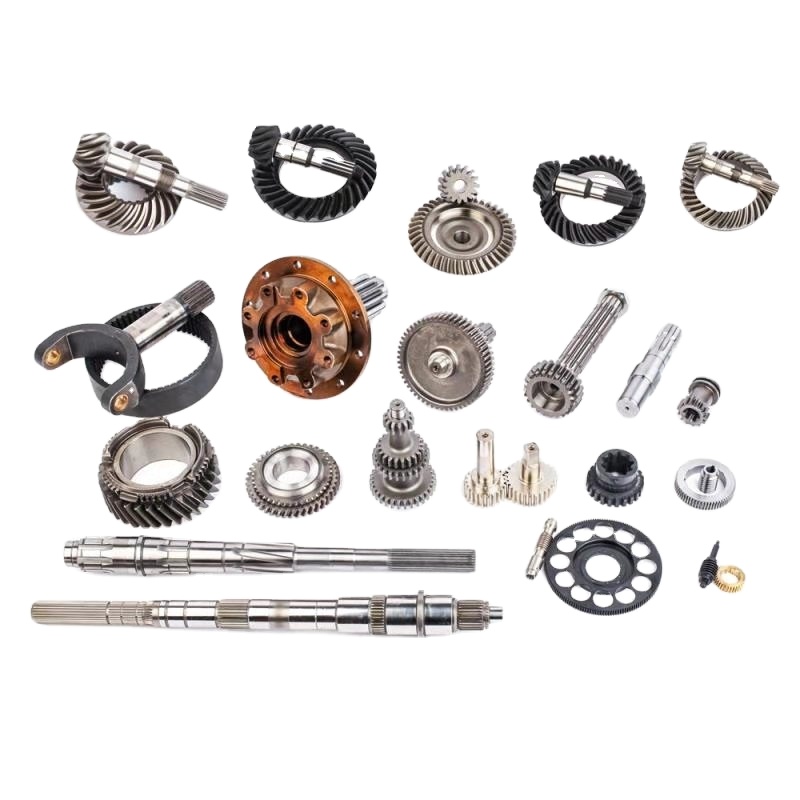
The agricultural industry relies heavily on the efficient functioning of tractors, making the compatibility of tractor parts a crucial consideration for farmers and equipment operators. Incompatible parts can lead to operational inefficiencies, mechanical failures, and increased costs. Therefore, understanding how to ensure the compatibility of tractor parts is essential for maintaining the longevity and performance of your equipment. This article explores the key factors to consider when determining whether a tractor part is suitable for your machine.
1. Understanding Your Tractor Model and Specifications
The first step in ensuring compatibility is to have a thorough understanding of your tractor’s model, make, and specifications. Every tractor comes with a specific set of characteristics, including the engine type, transmission, hydraulic systems, and more. These details can typically be found in the tractor’s manual, on the manufacturer’s website, or on the identification plate located on the tractor itself.
Knowing your tractor’s model and specifications is crucial because it allows you to cross-reference this information with the specifications of the parts you intend to purchase. For instance, a part designed for a John Deere 5E Series tractor might not fit a John Deere 6M Series tractor due to differences in design and engineering. Therefore, always verify the model compatibility before making a purchase.
2. Consulting the Manufacturer’s Compatibility Lists
Most reputable manufacturers provide compatibility lists or databases that detail which parts are suitable for specific tractor models. These lists are typically available on the manufacturer’s website or through authorized dealers. They are an invaluable resource because they offer a definitive guide to which parts will work with your tractor.
When consulting these lists, it’s important to ensure that you are referencing the correct model and production year of your tractor. Even slight variations in model years can result in significant differences in part compatibility. For example, a tractor model produced in 2020 may have different part requirements than the same model produced in 2022 due to updates or redesigns by the manufacturer.
3. Understanding OEM vs. Aftermarket Parts
Another critical factor to consider is whether to use Original Equipment Manufacturer (OEM) parts or aftermarket parts. OEM parts are designed and produced by the tractor’s original manufacturer, ensuring a perfect fit and compatibility.
On the other hand, aftermarket parts are produced by third-party manufacturers. While they are often less expensive than OEM parts, their quality and compatibility may vary. When purchasing aftermarket parts, it’s essential to verify that they meet the necessary specifications and standards for your tractor model. Look for reputable brands that provide detailed compatibility information and have a track record of reliability.
4. Cross-Referencing Part Numbers
Part numbers are unique identifiers assigned to specific components by manufacturers. These numbers are crucial in ensuring that you are purchasing the correct part for your tractor. Before buying a new part, compare the part number of the item you need with the part number of the item being sold.
Many online retailers and parts suppliers offer tools that allow you to search for parts by entering your tractor’s model number or the part number of the item you need. These tools can quickly help you determine whether a part is compatible with your tractor. However, it’s important to double-check this information, especially if you are purchasing from a third-party seller or an aftermarket brand.
5. Consulting with Experts
If you’re unsure about the compatibility of a part, consulting with experts is always a good idea. Authorized dealers, certified mechanics, and manufacturer representatives have the knowledge and experience to guide you in selecting the right parts. They can provide insights into any potential issues with compatibility and recommend the best options based on your specific needs.
In some cases, these experts might suggest modifications or adaptations that can make a part compatible with your tractor. However, it’s important to weigh the pros and cons of such modifications, as they can sometimes void warranties or lead to other mechanical issues down the line.
6. Reading Reviews and Gathering Feedback
Another useful strategy for ensuring part compatibility is to read reviews and gather feedback from other tractor owners. Online forums, agricultural communities, and customer reviews can provide valuable insights into the real-world performance of parts on specific tractor models. Pay close attention to reviews from individuals who own the same or similar tractor models as yours.
These reviews can highlight potential compatibility issues that may not be immediately apparent from product descriptions or manufacturer lists. Additionally, they can offer practical advice on installation and performance, helping you make a more informed decision.
7. Considering Installation Requirements
Even if a part is technically compatible with your tractor, it’s important to consider the installation process. Some parts may require specialized tools, professional installation, or additional components to fit properly. Before purchasing a part, review the installation instructions or consult with a mechanic to ensure that you have the necessary tools and expertise to install the part correctly.
Improper installation can lead to operational issues and even damage your tractor, so it’s crucial to follow the recommended installation procedures. If in doubt, hiring a professional to install the part can save you time and prevent costly mistakes.
Conclusion
Ensuring the compatibility of tractor parts is a critical aspect of maintaining the efficiency and longevity of your equipment. By thoroughly understanding your tractor’s specifications, consulting manufacturer resources, considering the pros and cons of OEM versus aftermarket parts, and seeking expert advice, you can significantly reduce the risk of purchasing incompatible parts. Remember, taking the time to verify compatibility before making a purchase can save you time, money, and headaches in the long run.
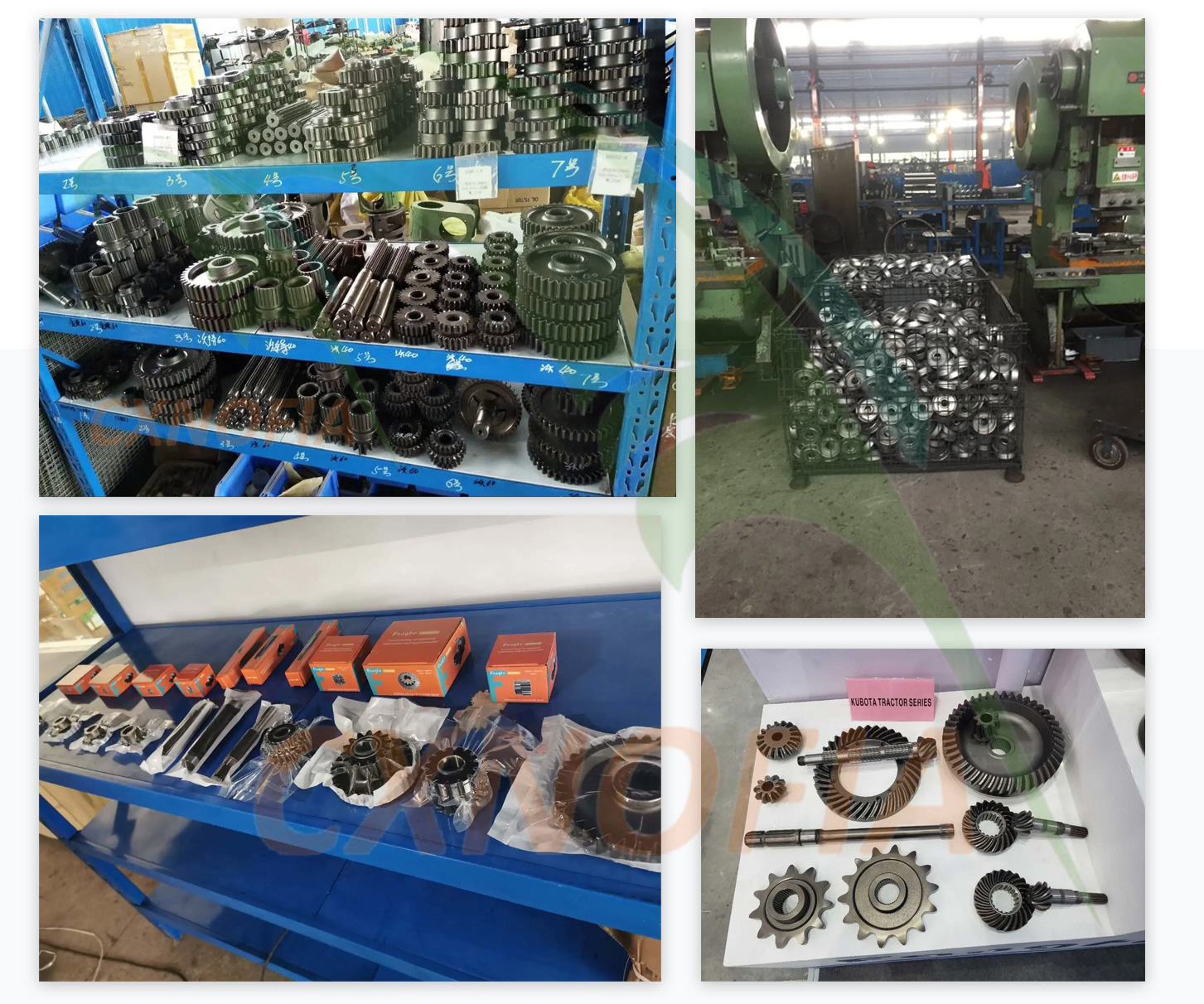
CXNOFIA is a well-known tractor parts supplier in China. Complete product range, quality guaranteed. Welcome to consult at any time!
How To Install Tractor Parts?
What Is The Hydraulic System Of A Tractor
Related Article