How To Install Tractor Parts?
Installation and Usage of Tractor Parts: A Detailed Guide
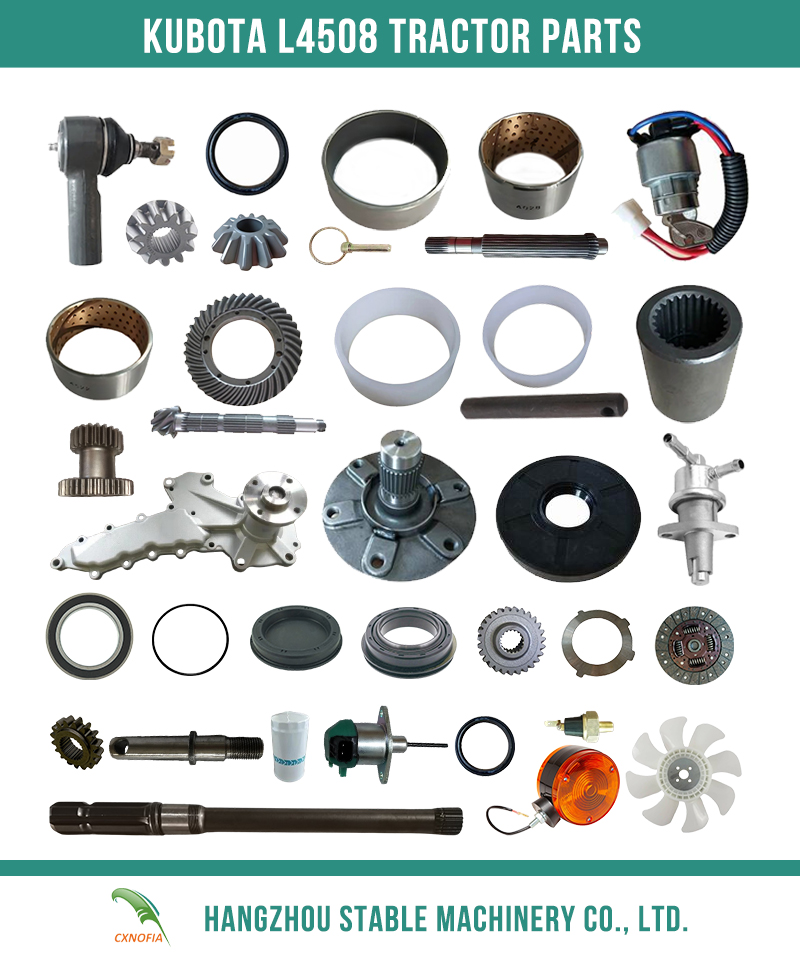
Tractor parts play a crucial role in the overall performance, efficiency, and longevity of agricultural machinery. Proper installation and usage of these parts are essential to ensure that your tractor operates smoothly and effectively. This guide provides a comprehensive overview of the key considerations for installing and using tractor parts, aiming to help you avoid common pitfalls and maximize the utility of your equipment.
1. Pre-Installation Preparation
a. Review the Installation Manual
Before you begin installing any tractor part, it is vital to carefully read the installation manual provided by the manufacturer. The manual typically includes detailed specifications, step-by-step instructions, safety warnings, and a list of required tools. Understanding these guidelines is crucial to avoid mistakes that could compromise the functionality of the part or the safety of the operator.
b. Gather Necessary Tools and Equipment
Based on the manual, gather all the tools and equipment you will need for the installation. Common tools include wrenches, screwdrivers, pliers, and possibly specialized instruments depending on the complexity of the part. Ensuring that your tools are in good working condition will facilitate a smoother installation process and help prevent damage to the part or tractor.
c. Inspect the Parts and Tractor
Before installation, thoroughly inspect the tractor part to ensure it is in good condition and free from defects. Additionally, check the corresponding installation area on the tractor to confirm it is clean and free of debris, rust, or oil that could interfere with the installation. Proper preparation of both the part and the tractor will help ensure a secure and efficient installation.
2. Proper Installation Techniques
a. Follow Step-by-Step Procedures
Adhering to the step-by-step procedures outlined in the installation manual is essential. Each step is designed to ensure that the part is installed correctly and securely. Skipping steps or performing them out of order can lead to improper installation, which may cause the part to malfunction or even result in damage to the tractor.
b. Use Recommended Fasteners and Hardware
The installation process often involves securing the part with bolts, screws, or other fasteners. It is important to use the exact type and size of fasteners recommended by the manufacturer. Using incorrect fasteners can result in loose connections, which may cause the part to detach or malfunction during operation.
c. Verify Stability After Installation
Once the part is installed, check for stability and proper alignment. This involves manually inspecting the part to ensure it is securely fastened and correctly positioned. Any signs of looseness or misalignment should be addressed immediately, as they can lead to operational issues or safety hazards.
3. Using Tractor Parts Correctly
a. Conduct Regular Maintenance
Tractor parts require regular maintenance to perform optimally and have a long service life. This includes checking fasteners for tightness, lubricating moving parts, and inspecting for wear and tear. Regular maintenance not only prolongs the life of the parts but also helps prevent unexpected breakdowns during critical agricultural operations.
b. Adhere to Manufacturer’s Usage Guidelines
Every tractor part is designed for specific functions and usage conditions. It is important to follow the manufacturer’s guidelines regarding load limits, operating speeds, and environmental conditions. Overloading or misusing parts can lead to premature wear or catastrophic failure, potentially causing damage to the tractor or posing a safety risk to the operator.
c. Prioritize Safety During Operation
Safety is paramount when operating a tractor with newly installed parts. Always ensure that all parts are securely installed before starting the tractor. During operation, be mindful of the environment and avoid obstacles that could damage the parts. Additionally, always follow standard safety procedures, such as wearing appropriate protective gear and keeping bystanders at a safe distance.
4. Troubleshooting Common Issues
a. Addressing Compatibility Issues
If you encounter difficulties during installation, such as parts not fitting properly, verify the compatibility of the part with your tractor model. Double-check the part number and ensure it matches the specifications outlined in the manual. If compatibility issues persist, it is advisable to contact the manufacturer or a professional technician for assistance.
b. Identifying and Resolving Operational Problems
After installation, if the tractor exhibits unusual noises, vibrations, or performance issues, stop the operation immediately and inspect the installed part. Common problems may include loose fasteners, improper alignment, or interference with other tractor components. Resolving these issues promptly can prevent more serious damage and ensure the tractor continues to operate safely and efficiently.
c. Replacing Worn or Damaged Parts
Over time, tractor parts may wear out or become damaged due to regular use. It is important to monitor the condition of these parts and replace them when necessary. Delaying replacement can lead to more significant damage to the tractor and may increase repair costs. Always use high-quality, compatible replacement parts to maintain the tractor's performance and safety.
5. Upgrading and Modifying Parts
In some cases, you may want to upgrade or modify tractor parts to enhance performance or adapt to specific tasks. When considering such modifications, it is important to ensure that the new parts are compatible with your tractor model and do not interfere with its operation. Modifications should be performed by professionals or under their guidance to avoid compromising the safety and functionality of the tractor.
Conclusion
Proper installation and usage of tractor parts are essential to maintaining the efficiency, safety, and longevity of your agricultural equipment. By following manufacturer guidelines, using the correct tools and techniques, and conducting regular maintenance, you can ensure that your tractor operates at its best. Whether you are installing a new part or replacing an old one, careful attention to detail and a commitment to safety will help you get the most out of your tractor and keep your agricultural operations running smoothly.
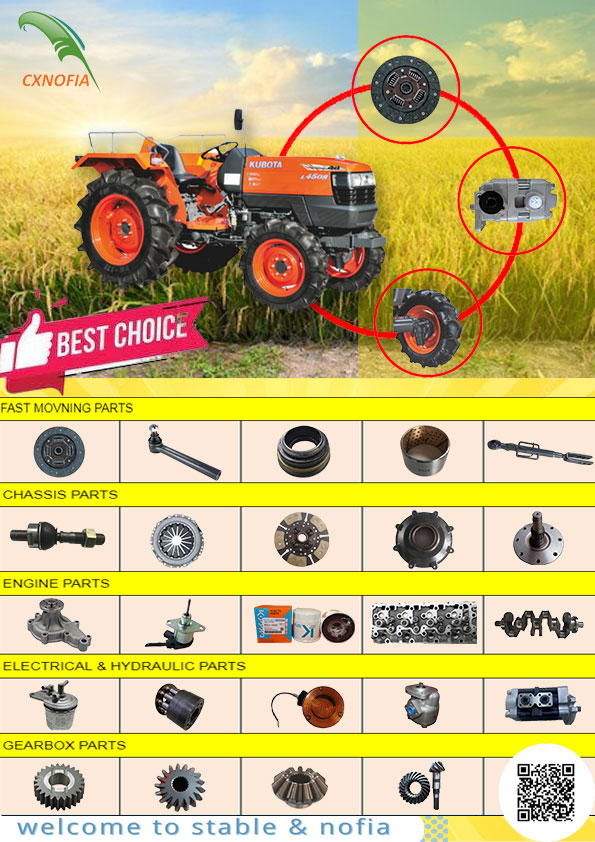
CXNOFIA is a well-known tractor parts supplier in China. Complete product range, quality guaranteed. Welcome to consult at any time!
Is It Better To Buy Oem Parts Or Aftermarket?
Ensuring Compatibility of Tractor Parts: A Comprehensive Guide
Related Article