John Deere Unveils New Electric Agricultural Equipment, Paving the Way for a Greener Future
John Deere Unveils New Electric Agricultural Equipment, Paving the Way for a Greener Future
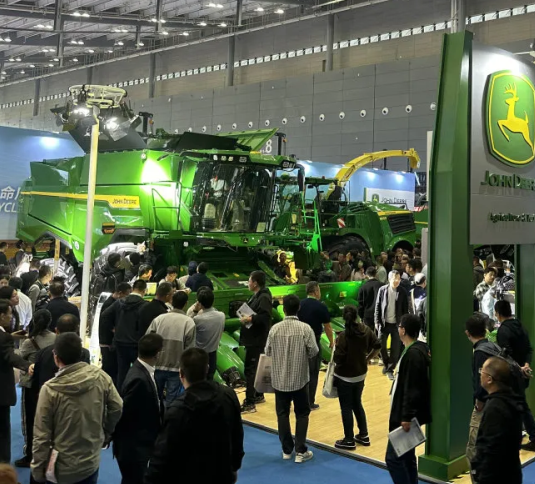
In 2023, John Deere once again made headlines in the agricultural machinery sector by showcasing its latest advancements in electric agricultural equipment, with a particular focus on small electric tractors. These new prototypes not only highlight John Deere's continued commitment to smart farming and environmental sustainability but also mark a significant step toward transforming the agricultural machinery industry into one that is greener, more efficient, and more sustainable. By introducing electric equipment, John Deere plans to drastically improve farm efficiency while reducing carbon footprints and contributing to the green transition in agriculture.
Electric Power: Driving the Future of Sustainable Agriculture
The agriculture industry has long been faced with challenges such as high energy consumption and significant carbon emissions. Traditional fuel-powered machinery not only increases operational costs for farmers but also has a detrimental impact on the environment. With growing global demand for reduced carbon emissions and sustainable practices, the agricultural machinery sector has been actively seeking solutions to reduce its environmental impact. In this context, electric agricultural equipment has emerged as a key solution to these issues.
In 2023, John Deere's unveiling of several new electric agricultural equipment prototypes—especially small electric tractors—represents a significant step toward a greener and more sustainable future in farming. John Deere is committed to improving operational efficiency through electrification while reducing the environmental impact of traditional fuel-powered machinery.
Small Electric Tractors: A Dual Breakthrough in Design and Application
Among the most notable highlights of John Deere's 2023 showcase were the new small electric tractors. Designed for small-scale farms, greenhouse agriculture, and urban farming applications, these electric tractors stand out for their compact and modern design, offering several advantages over their traditional fuel-powered counterparts:
-
Low Carbon Footprint: Electric tractors are entirely battery-powered, resulting in almost zero emissions. This reduction in greenhouse gas emissions makes electric tractors a key tool for farms aiming to decrease their carbon footprint while operating more sustainably.
-
Energy Efficiency: Electric drive systems provide much higher energy efficiency compared to traditional fuel engines. With electric tractors, farmers can expect longer working hours on a single charge, helping to enhance overall farm productivity.
-
Low Noise and High Stability: One of the major benefits of electric tractors is the lack of noise pollution. Traditional fuel tractors can be loud, disturbing both farmers and surrounding environments. Electric tractors, on the other hand, operate quietly, providing a more comfortable and stable working environment.
-
Smart Control Features: Unlike conventional tractors, John Deere’s new electric tractors come equipped with advanced smart control systems, integrating GPS navigation, data analytics, and sensor technologies. These smart features enable precise farming operations, allowing farmers to adjust work modes based on soil conditions and crop requirements for increased accuracy and efficiency.
Comprehensive Electrification: Advancing Smart and Autonomous Farming
Beyond small electric tractors, John Deere also unveiled other electric agricultural equipment, such as electric harvesters and electric planters. These innovations further demonstrate the company's commitment to making agriculture more sustainable and efficient.
-
Smart Farming Solutions: John Deere has embraced the Internet of Things (IoT) and data analytics to provide farmers with real-time insights into equipment performance, operational status, and maintenance needs. Each electric farming device is connected to a cloud-based platform, allowing farm managers to monitor performance and make informed decisions based on real-time data.
-
Autonomous Operations: John Deere’s electric equipment also includes autonomous driving capabilities. Using artificial intelligence (AI) and machine learning algorithms, these devices can autonomously perform tasks like planting, tilling, and harvesting, reducing the need for manual labor and enhancing operational efficiency.
-
Advanced Battery Management: The battery system is at the core of electric agricultural equipment, and John Deere has made significant advancements in battery technology. New batteries offer higher energy density, longer operational times, and faster charging capabilities, helping to minimize downtime and maximize productivity.
Market Outlook for Electric Agricultural Equipment
While the electric agricultural equipment market is still in its early stages globally, its immense potential is gaining significant attention within the agricultural sector. With stricter environmental regulations and the growing push for green agricultural policies, electric farming equipment is expected to experience explosive growth in the coming years.
Industry forecasts predict that by 2030, the electric agricultural machinery market will reach billions of dollars in size, and John Deere, as a leader in the global agricultural machinery sector, is poised to capture a substantial share of this market. With its forward-thinking investments in electrification and automation, the company is positioning itself as a key player in the future of farming.
John Deere’s Commitment to Sustainability
By rolling out electric agricultural equipment, John Deere is not just advancing its technology portfolio but also fulfilling its commitment to sustainability. The company has expressed its intention to continue investing in green technologies and driving innovation across electrification, automation, and smart farming. Their goal is to help farmers achieve more efficient, low-carbon, and sustainable agricultural practices.
The electric tractors and other electric agricultural equipment showcased in 2023 are just the beginning. As these technologies continue to mature and become more accessible, they will play an increasingly critical role in transforming the way agriculture is practiced worldwide.
Conclusion
In summary, the electric agricultural equipment unveiled by John Deere in 2023, particularly the small electric tractors, represents a significant leap forward in the evolution of farming machinery. These innovations not only provide farmers with more efficient and cost-effective solutions but also contribute to global efforts to combat climate change by reducing agricultural carbon emissions.
With continued advancements in electrification, automation, and data-driven technologies, John Deere is paving the way for a greener, smarter, and more sustainable agricultural future. As these electric farming tools become more widespread, they will help shape the future of agriculture into one that is both efficient and environmentally responsible.
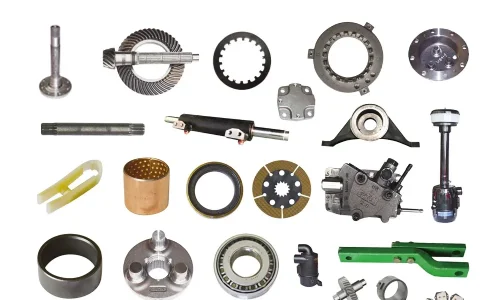
CXNOFIA is a well-known tractor parts supplier in China. Complete product range, quality guaranteed. Welcome to consult at any time!
John Deere Unveils Next-Gen Autonomous Farming System at CES 2025: A Leap Forward in Smart Agriculture
How Will Kubota's Base Stations Redefine the Future of Autonomous Farming?
Related Article