John Deere's Investment in Autonomous Tractors and Smart Crop Sprayers: A Step Towards Sustainable Agriculture
John Deere’s Investment in Autonomous Tractors and Smart Crop Sprayers: A Step Towards Sustainable Agriculture
In an era of rapid technological advancements, John Deere, a global leader in agricultural machinery, has set its sights on revolutionizing the agricultural sector with a significant investment in autonomous tractors and smart crop sprayers. These innovations, though technological marvels on their own, hold profound implications for the future of sustainable farming. By combining automation, precision technology, and environmental consciousness, John Deere is spearheading a new era of environmentally friendly agricultural practices that promise to address some of the most pressing challenges facing the industry today.
The Role of Autonomous Tractors in Sustainable Farming
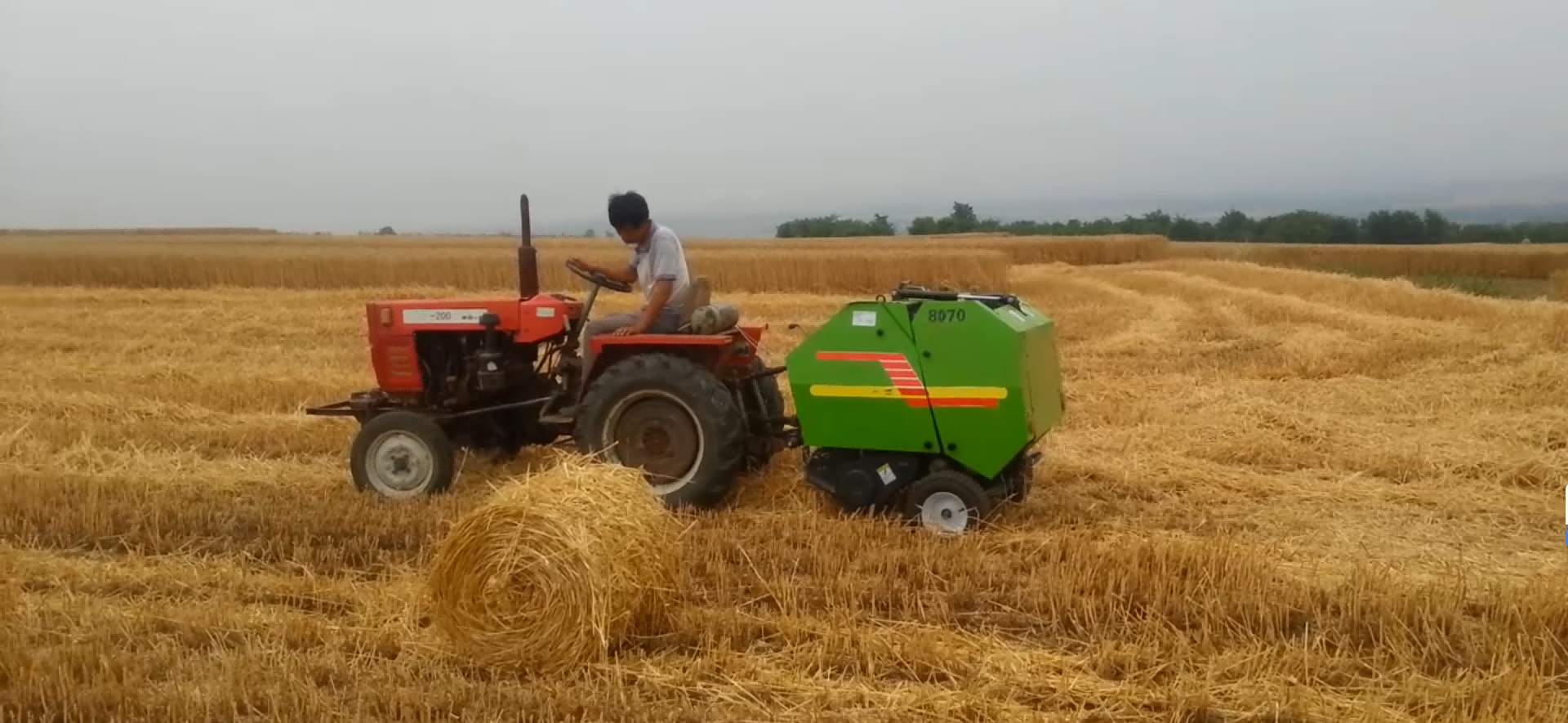
One of the most groundbreaking innovations from John Deere is its development of autonomous tractors, which have the potential to change the face of modern agriculture. These tractors, equipped with GPS positioning, advanced sensors, and artificial intelligence, can operate without human intervention, taking on tasks such as plowing, planting, and cultivation. Their ability to work 24/7 without breaks not only boosts efficiency but also minimizes the need for human labor, making them a game-changer in large-scale farming operations.
However, the environmental benefits go beyond increased operational efficiency. Autonomous tractors, by following precisely predetermined paths, ensure that soil is worked evenly, avoiding overuse or damage to the land. This precision also extends to reducing fuel consumption. With their ability to optimize movement and minimize unnecessary travel across the field, autonomous tractors are helping farmers reduce fuel consumption and, in turn, cut down on greenhouse gas emissions, which have a detrimental impact on the environment.
Smart Crop Sprayers: Reducing Chemical Runoff and Environmental Impact
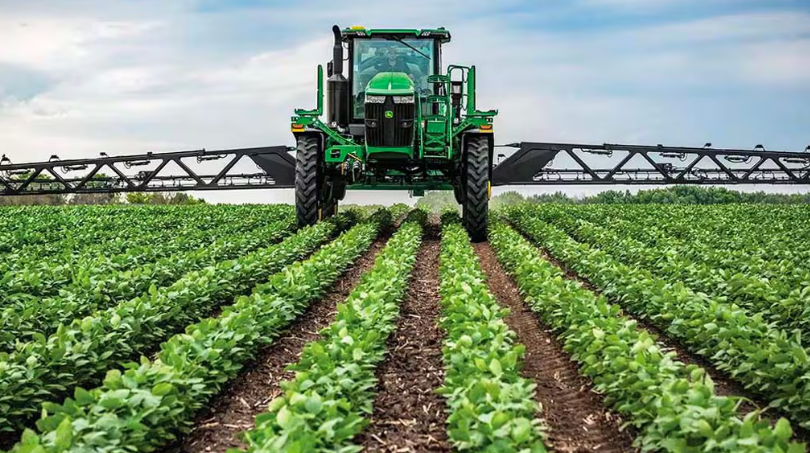
Another area where John Deere is making significant strides is in the development of smart crop sprayers, which are transforming the way farmers manage pest control and fertilization. These sprayers, equipped with advanced sensors and imaging systems, can identify the specific needs of the crops in real-time. Unlike traditional sprayers, which apply chemicals uniformly across the field, smart sprayers adjust the application rate based on the condition of the crops, ensuring that chemicals are only used where necessary.
This targeted approach not only reduces the quantity of pesticides and fertilizers required but also minimizes the environmental impact. By applying these chemicals with such precision, John Deere's smart sprayers help mitigate the risks of runoff, which can contaminate nearby water sources and harm ecosystems. Moreover, the reduction in chemical use directly benefits soil health, encouraging a more sustainable and less resource-intensive approach to farming.
How Precision Agriculture Contributes to Sustainability
At the core of John Deere’s innovations in autonomous tractors and smart sprayers is the concept of precision agriculture. Precision agriculture involves using data and technology to optimize the use of resources like water, fertilizers, and pesticides, ensuring that they are applied only when and where they are needed. This approach significantly reduces the environmental footprint of farming by preventing overuse and waste of critical resources.
John Deere’s precision agriculture tools enable farmers to monitor and manage their fields more efficiently. Through the integration of soil data, climate forecasts, and crop health information, farmers are provided with actionable insights that help them make better decisions about irrigation, fertilization, and pest management. For example, John Deere’s systems allow farmers to analyze soil health and adjust nutrient levels accordingly, reducing the need for synthetic fertilizers and promoting the use of organic methods that have less environmental impact.
Furthermore, John Deere’s cloud-based platforms, such as the John Deere Operations Center, aggregate real-time data from various sources, allowing farmers to make data-driven decisions that benefit both their bottom line and the planet. By integrating these systems with autonomous machinery, John Deere creates a seamless, data-driven environment where farming practices are more precise, efficient, and sustainable.
The Environmental Impact of Reduced Emissions
John Deere’s commitment to sustainability goes beyond improving the efficiency of agricultural operations. The company is also focused on reducing the carbon footprint of its machinery. The integration of electric-powered or low-emission equipment, alongside their autonomous and precision farming solutions, contributes to a decrease in emissions typically associated with traditional farming equipment.
Electric-powered machinery, for instance, can significantly reduce fuel consumption, a major source of greenhouse gas emissions in agriculture. As part of its commitment to sustainable farming, John Deere has been investing in alternative energy sources, and its new generation of equipment is designed to be more energy-efficient, reducing the environmental impact of agricultural machinery while maintaining high levels of productivity.
John Deere’s Strategic Acquisitions and Partnerships
In its quest to continue driving innovation in sustainable agriculture, John Deere has also been making strategic acquisitions. The company’s recent acquisition of Bear Flag Robotics, a leader in autonomous driving systems for agricultural machinery, is a clear example of how John Deere is enhancing its technological capabilities to offer fully autonomous, self-driving farming equipment. This acquisition aligns with John Deere’s goal to provide smarter, more efficient solutions to farmers, while simultaneously contributing to environmental sustainability.
In addition to acquisitions, John Deere has formed partnerships with technology companies that specialize in data analytics and remote monitoring. These collaborations are designed to improve the capabilities of its machinery, enabling better precision, remote monitoring of field conditions, and more accurate data collection. By working with other technology leaders, John Deere is ensuring that its machines are at the cutting edge of innovation, providing farmers with the tools they need to maximize efficiency while minimizing their environmental impact.
A Greener Future for Agriculture
John Deere’s ongoing investment in autonomous tractors, smart crop sprayers, and precision agriculture solutions is not just about improving operational efficiency; it is also about fostering a more sustainable future for agriculture. As the global demand for food increases and the environmental challenges facing the planet intensify, John Deere’s innovations offer a glimpse into the future of farming—one that is more efficient, environmentally responsible, and capable of meeting the challenges of the 21st century.
By embracing automation, precision technology, and sustainable farming practices, John Deere is helping to shape a new era of agriculture that prioritizes the health of the planet as much as it does productivity and efficiency. Through these innovations, John Deere is positioning itself as a leader not only in agricultural machinery but also in the global movement towards more sustainable, eco-friendly farming practices.
Conclusion
John Deere’s commitment to sustainability is evident in its investments in autonomous tractors, smart crop sprayers, and precision agriculture technologies. By reducing resource waste, minimizing chemical usage, and lowering emissions, these innovations are helping farmers operate more efficiently while protecting the environment. As the company continues to innovate and lead the way in sustainable farming solutions, it is clear that John Deere’s efforts will play a pivotal role in shaping the future of agriculture and ensuring that the industry remains both productive and environmentally responsible.
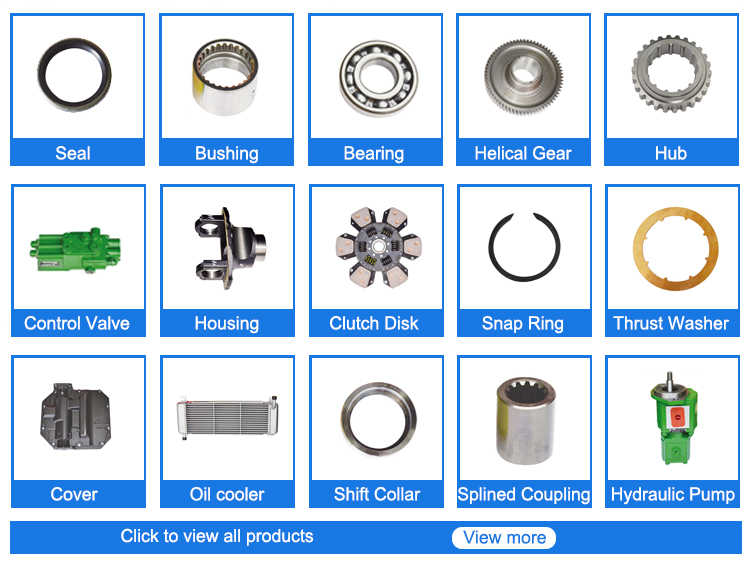
CXNOFIA is a well-known tractor parts supplier in China. Complete product range, quality guaranteed. Welcome to consult at any time!
How Will Kubota's Base Stations Redefine the Future of Autonomous Farming?
John Deere Advances Smart Agriculture with Autonomous Tractors and Precision Technology
Related Article