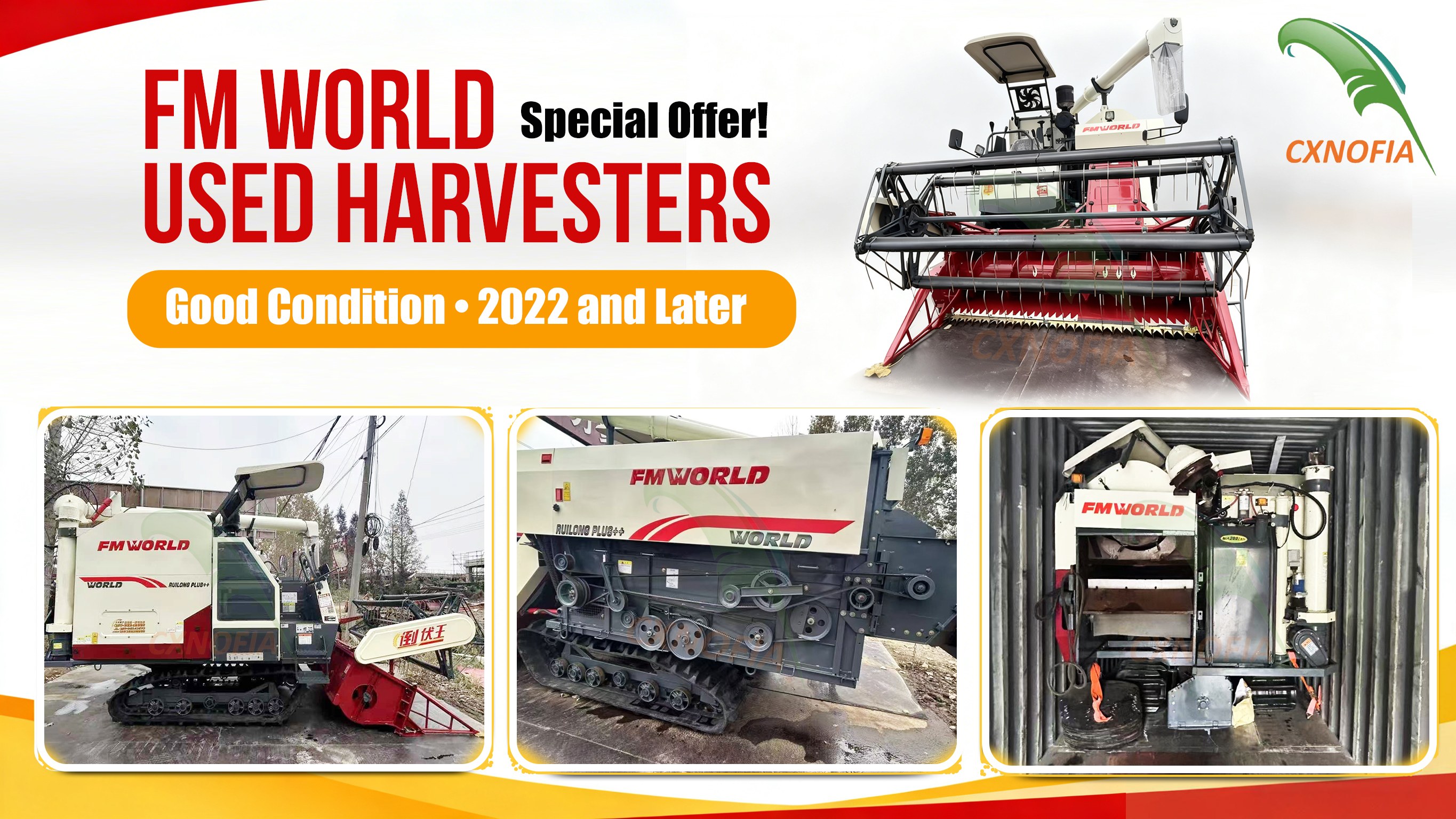
The Smart Choice for Global Farmers: Why Pre-Owned Combine Harvesters Are Gaining Momentum
Introduction
For farmers around the world, maximizing yield while minimizing harvest losses remains a constant challenge—especially during short and critical harvesting windows. In regions such as Southeast Asia, South Asia, Africa, and Latin America, where agriculture plays a central economic role, access to reliable harvesting machinery can significantly improve productivity and operational stability.
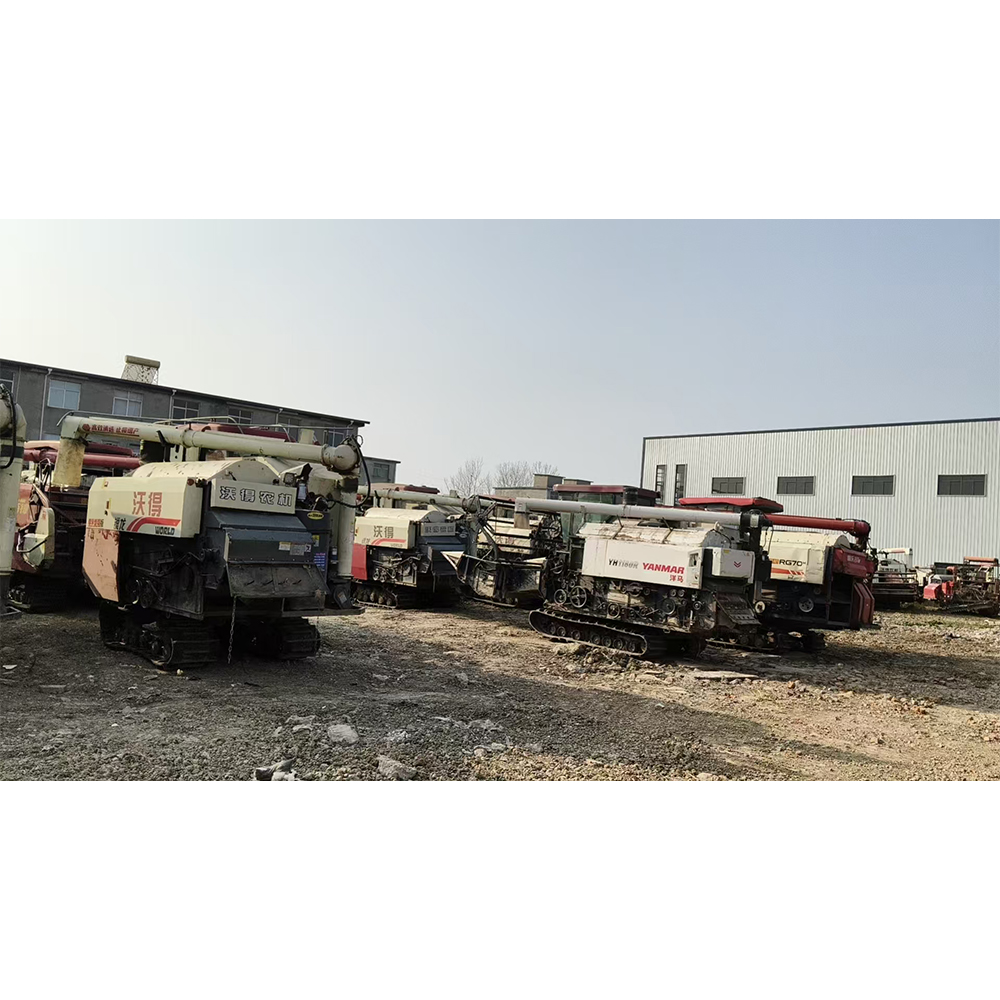
However, the high cost of new combine harvesters often limits adoption. As a result, pre-owned combine harvesters are increasingly recognized as a practical and sustainable alternative, offering dependable performance at a more accessible investment level.
This growing interest reflects real market needs rather than short-term trends, as farmers and contractors seek equipment solutions that balance cost, reliability, and long-term usability.
1. Improved Affordability and Investment Efficiency
The primary advantage of a pre-owned combine harvester is reduced upfront cost. Compared with new equipment, used machines allow farmers, cooperatives, and service providers to access mechanized harvesting without excessive financial pressure.
By avoiding the sharp initial depreciation associated with new machinery, buyers can better allocate capital toward essential inputs such as labor, fuel, crop management, and maintenance. For many operations, this improved capital efficiency makes mechanized harvesting a viable and sustainable option.
2. Access to Proven and Adaptable Technology
The global market for pre-owned combine harvesters offers a wide range of machine types suited to different crops, field conditions, and farm sizes.
Crop adaptability:
Used combines are available for rice, wheat, corn, and other regional crops, including machines configured for specific harvesting environments.
Flexible power and size options:
From compact machines designed for smallholder farms to larger units suitable for commercial-scale operations, buyers can select equipment aligned with their actual working requirements.
Established mechanical reliability:
Many older models from reputable manufacturers are built on well-proven mechanical systems. These designs are often easier to maintain and repair using locally available skills and resources, helping to reduce downtime where official dealership networks may be limited.
3. Growing Emphasis on Serviceability and Support
One of the key factors supporting the expansion of the pre-owned machinery market is improved professionalism among established suppliers. Increasingly, responsible exporters and dealers focus not only on equipment condition but also on long-term usability.
Depending on the supplier and market, available support may include:
-
Pre-export inspection and functional testing
-
Clear documentation of machine condition and service history
-
Technical guidance for operation and maintenance
-
Access to spare parts through established supply channels
For import markets, especially in developing regions, serviceability and parts availability are often as important as purchase price when evaluating used equipment.
4. Alignment with Global Market Demand
Trade patterns indicate consistent international demand for used agricultural machinery, with combine harvesters representing a key product category.
Southeast Asia:
In major rice-producing countries such as Thailand, demand remains steady for harvesting equipment that is practical, reliable, and ready for immediate use.
Africa:
Many African countries continue to invest in agricultural mechanization to improve productivity and food security. Durable and affordable harvesting solutions are particularly valued.
Emerging markets:
Interest from regions including the Middle East, South America, and Eastern Europe further reflects the global relevance of pre-owned harvesting equipment.
These markets typically prioritize functionality, durability, and maintainability over advanced features that may be difficult to support locally.
5. Practical Guidance for Buyers
To ensure a successful investment, buyers should take a structured approach when selecting a pre-owned combine harvester:
-
Define operational needs clearly, including crop type, field conditions, and farm size
-
Request transparent documentation, such as usage hours, maintenance records, and inspection details
-
Confirm spare parts availability and technical support options in the destination market
-
Work with experienced exporters or suppliers who understand international logistics, compliance, and after-sales considerations
A well-matched machine, supported by reliable service channels, delivers significantly greater long-term value than a low-priced unit without support.

Conclusion
Under increasing economic pressure and rising demand for efficient food production, pre-owned combine harvesters offer a balanced and responsible solution. They provide access to mechanized harvesting, proven reliability, and strong operational value—without the financial burden of new equipment.
When sourced carefully and supported properly, used combine harvesters contribute to improved farm efficiency, reduced harvest losses, and more resilient agricultural operations worldwide.
Looking for Reliable Pre-Owned Combine Harvesters?
CXNOFIA supply professionally inspected pre-owned combine harvesters, supported by spare parts availability and export experience across multiple international markets.
? Visit our website or contact our team to learn more about available machines and support options for your region.
A Complete Guide to Lovol Combine Harvester Maintenance Key Parts, Replacement Guidelines & Proactive Care
Why Pre-Owned Transplanter Machines Are a Smart Choice for Farmers in Asia and Africa
Related Article