Essential Maintenance Tips to Extend the Life of Your Walking Tractor
Essential Maintenance Tips to Extend the Life of Your Walking Tractor
Introduction: The Value of Reliable Machinery
For small- and medium-scale farmers, a walking tractor is not just a tool—it’s the heart of productivity. Its ability to perform tasks like tilling, ploughing, and ridging directly impacts crop yield and labor efficiency. But even the most durable machines need proper care to stay in top condition. Regular maintenance not only reduces downtime and repair costs but also extends the overall lifespan of your investment.
In this article, we’ll share essential maintenance practices, common warning signs to watch for, and why choosing reliable spare parts makes all the difference for long-term performance.
1. Keep It Clean: The Foundation of Maintenance
After every working day, remove accumulated mud, grass, and debris from the machine—especially around the rotary blades, wheels, and engine housing.
Dust and dirt can block air filters, clog cooling fins, and accelerate wear on moving components.
Pro Tip:
- Avoid using high-pressure water directly on electrical components or bearings.
- Wipe metal parts dry to prevent corrosion.
- Check for loose bolts or worn-out fasteners while cleaning—it’s an easy way to catch small issues early.
2. Engine Care: The Power Behind Performance
The engine is the heart of any walking tractor. Proper care ensures smooth power delivery and fuel efficiency.
Routine Checks Include:
- Oil Level & Quality: Check before each operation. Replace engine oil every 50–80 working hours, depending on workload and oil quality.
- Air Filter: Clean the air filter weekly, or more frequently in dusty conditions. Replace if excessively dirty or torn.
- Fuel Filter: Replace every 200 hours or when fuel flow becomes restricted.
- Cooling System: For water-cooled engines, maintain the coolant level and flush the system every season to avoid overheating.
Remember: Use only recommended grades of oil and filters compatible with your tractor model. Inferior parts can cause irreversible engine damage.
3. Transmission & Drive System: Smooth Power Transfer
Your clutch, gearbox, and drive belts endure constant mechanical stress. Keeping them in good condition ensures consistent traction and control.
Maintenance Guide:
- Clutch Adjustment: If you notice slipping or delayed engagement, adjust the clutch cable tension according to the manual. Replace worn friction discs immediately.
- Gearbox Oil: Drain and replace every 300 working hours. Use high-quality transmission oil to reduce gear wear.
- Belts & Chains: Check belt tension and replace any that show cracks or fraying. Proper alignment prevents unnecessary strain on bearings and pulleys.
4. Rotary Blades & Attachments: Stay Sharp, Stay Efficient
Rotary blades, ploughshares, and tiller tynes are directly exposed to rocks, roots, and hard soil. Dull or damaged blades increase fuel consumption and reduce tilling quality.
Best Practices:
- Sharpen blades regularly using a grinder, maintaining the correct angle.
- Replace severely worn or bent blades immediately.
- Always use heat-treated, high-carbon steel blades for longer life and better soil penetration.
- For detachable attachments, lubricate connecting points to prevent rust and ensure smooth operation.
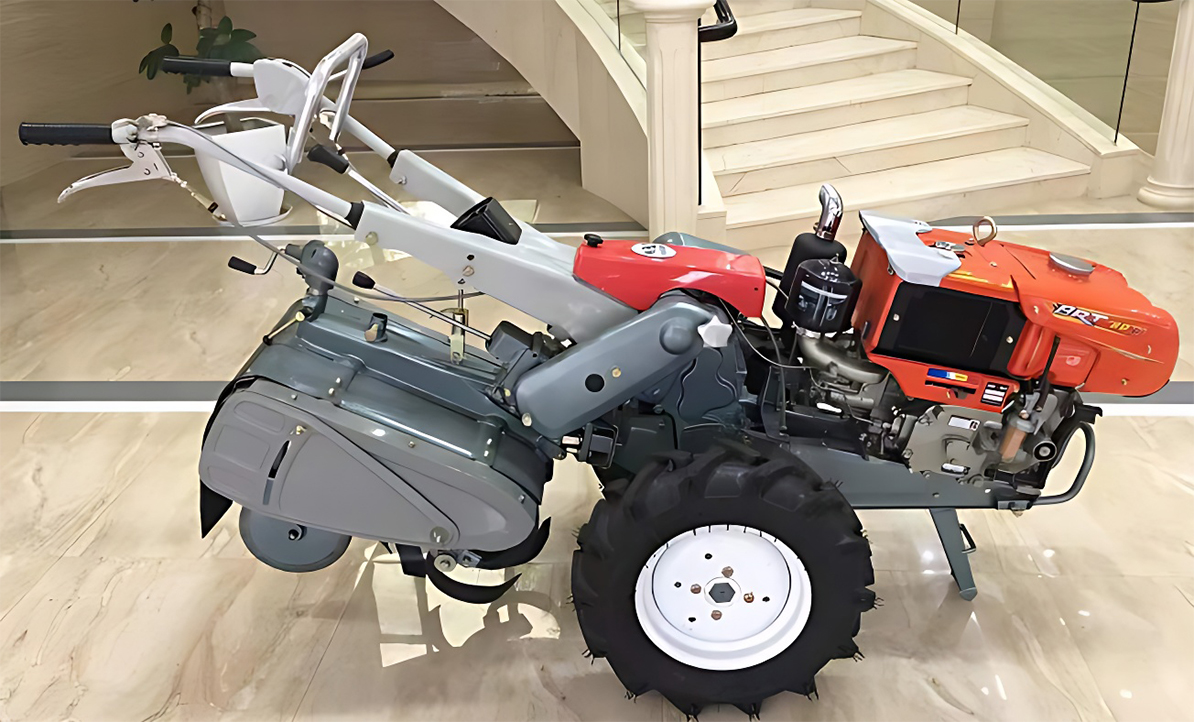
5. Tires & Wheels: Grip, Balance, and Safety
Check tire pressure weekly and adjust based on soil conditions—softer fields require slightly lower pressure for better traction. Inspect tread depth and sidewalls for cracks.
For paddy-type iron wheels, clean after use to prevent mud buildup and rusting.
Quick Tip: Apply a thin coat of oil or rust-preventive spray before long-term storage.
6. Electrical System & Controls: Keep It Responsive
Modern walking tractors often feature basic electrical components such as switches, lights, and starter systems.
- Check wiring harnesses for cracks or exposed wires.
- Ensure the ignition switch and throttle control operate smoothly.
- Lubricate control levers and linkage rods periodically.
A malfunctioning switch or cable can quickly become a safety issue if ignored.
7. Seasonal & Storage Maintenance
When the farming season ends, proper storage ensures your walking tractor is ready for the next cycle.
1. Drain fuel if storage exceeds one month to avoid gum deposits.
2. Clean and oil exposed metal parts to prevent rust.
3. Cover the tractor with a breathable fabric (not plastic) to avoid moisture condensation.
4. Remove the battery (if applicable) and store it in a dry, cool place.
This small effort pays off with easier startups and fewer surprises next season.
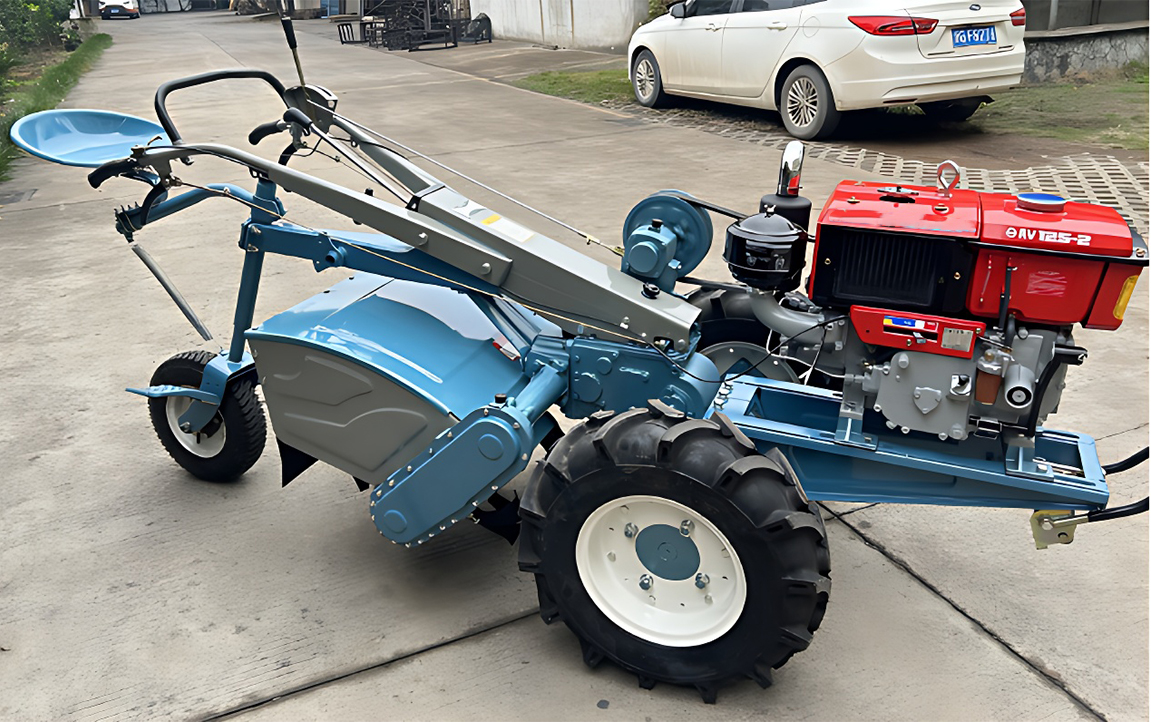
8. Use Genuine Spare Parts: The Smartest Maintenance Investment
Even with the best care, certain components will eventually wear out—filters, V-belts, clutch discs, and bearings are typical examples. The key is replacing them with genuine, high-quality spare parts designed for your model.
Why it matters:
- Perfect Fit: Avoids installation errors and damage.
- Longer Lifespan: High-grade materials last longer under harsh conditions.
- Reliable Supply: Trusted suppliers ensure consistent quality and fast delivery.
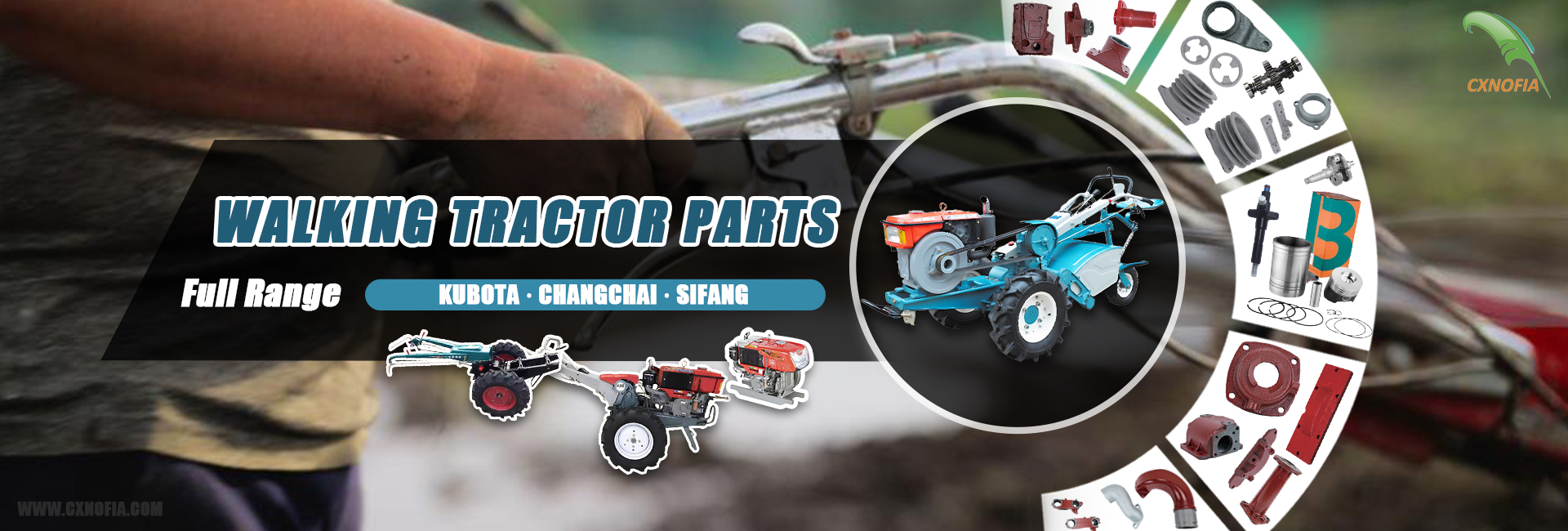
At CXNOFIA, we supply a full range of walking tractor spare parts—from engine filters to rotary blades—tested for durability, precision, and compatibility across popular models like DF, GN, and 15HP series. Our one-stop solution helps dealers and repair shops maintain inventory efficiency and customer trust.

Conclusion: Preventive Care = Profitable Performance
A walking tractor that’s properly maintained is not only more reliable but also more profitable. Regular checks, timely replacement of wear parts, and the use of genuine components reduce unexpected breakdowns, increase productivity, and protect your investment.
For professional distributors and workshop owners, offering high-quality maintenance parts and guidance is the best way to build customer loyalty.
Partner with CXNOFIA today — your trusted source for durable, compatible, and cost-effective walking tractor parts.
Grain Dryer and Grain Drying Tower from 2 to 1500 Tons
Your Guide to Walking Tractor Spare Parts: Quality, Durability, and Buyer Priorities
Related Article