John Deere Advances Smart Agriculture with Autonomous Tractors and Precision Technology
John Deere Advances Smart Agriculture with Autonomous Tractors and Precision Technology
John Deere, a global leader in agricultural machinery, is at the forefront of innovation, continuously shaping the future of farming with the introduction of autonomous tractors and cutting-edge precision agriculture technologies. These advancements aim to transform traditional farming practices by improving efficiency, reducing costs, and driving sustainability across the industry. With a strong focus on automation, data-driven insights, and sustainability, John Deere is revolutionizing agriculture and positioning itself as a pioneer in the smart agriculture space.
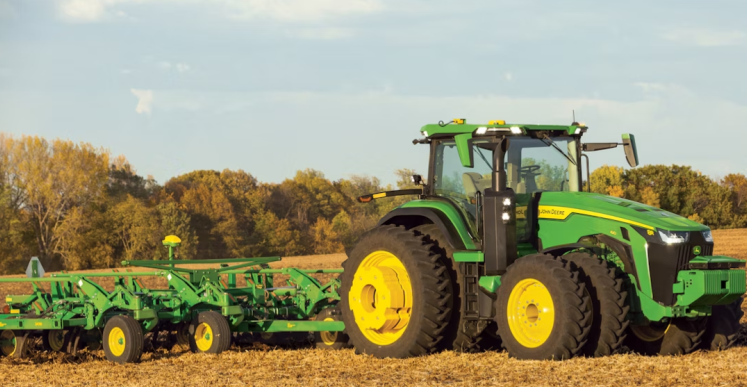
Autonomous Tractors: The Future of Farming
One of the most groundbreaking innovations from John Deere is the introduction of autonomous tractors. These tractors are equipped with advanced GPS positioning and sophisticated sensor systems, enabling them to operate without human intervention. By automating essential tasks such as plowing, planting, and cultivation, these machines offer several significant benefits:
Increased Efficiency: Autonomous tractors can work continuously without the need for breaks, significantly improving operational uptime and overall productivity. With no downtime for operators, farms can operate 24/7, increasing efficiency and output.
Labor Cost Reduction: The elimination of manual labor on large-scale farms is a major cost-saving advantage. Autonomous systems reduce dependency on human workers, helping farmers cut down labor expenses while maintaining precision and reliability.
Enhanced Precision: Leveraging GPS technology, these tractors can follow predetermined paths with pinpoint accuracy, ensuring uniform soil tillage and consistent farming practices across vast fields. This level of precision contributes to optimal crop growth and uniformity in yield.
These autonomous machines are designed to seamlessly integrate with other smart agricultural equipment, such as seeders and sprayers, forming a fully automated, interconnected farming system. This synergy creates a new era of smart farming, where tasks are performed more efficiently and with minimal human intervention.
Precision Agriculture: Tailored Solutions for Maximum Yield
John Deere's precision agriculture technologies are another cornerstone of the company’s innovation. These technologies provide farmers with accurate, data-driven insights into field conditions, crop health, and growth patterns, enabling them to make informed decisions that optimize their operations. Key components of John Deere’s precision agriculture technology include:
Precise Planting and Fertilization: By utilizing soil data, crop growth statistics, and weather patterns, John Deere's systems assist farmers in making informed decisions about planting density and fertilizer application. This approach helps minimize resource waste, reduce costs, and maximize crop yield.
Remote Sensing and Monitoring: Advanced remote sensing technologies embedded in John Deere’s equipment allow farmers to monitor field conditions in real-time. This data enables farmers to detect potential issues—such as pest infestations or nutrient deficiencies—early, allowing for timely corrective action and preventing problems from escalating.
Data-Driven Decision Support: Through the John Deere Operations Center, farmers can integrate various data sources—including crop performance and weather data—into a centralized platform. This platform provides real-time analytics and decision support, helping farmers plan and execute operations with greater precision and efficiency.
By leveraging these tools, farmers can fine-tune their practices based on precise data, ensuring optimal crop growth while minimizing waste and input costs. Precision agriculture empowers farmers to work smarter, not harder, leading to more sustainable farming practices.
AI and Machine Learning: Smarter Farming Machines
Along with automation, John Deere is incorporating artificial intelligence (AI) and machine learning into its equipment. These technologies enable machines to learn from past experiences and continuously improve their performance over time. AI-driven systems allow tractors, harvesters, and other machinery to adapt to changing environmental conditions and optimize operations in real-time.
AI-powered systems can adjust operational parameters, such as speeds, based on real-time data from the field. This dynamic capability ensures machines perform at peak efficiency, while continuously improving their output over time. Additionally, machine learning algorithms can predict crop yields, assess field conditions, and optimize planting schedules, helping farmers make smarter, data-backed decisions.
Partnerships and Acquisitions Drive Innovation
To accelerate its advancements in autonomous and precision agriculture technologies, John Deere has made strategic acquisitions and established key partnerships with tech companies. Most notably, the company recently acquired Bear Flag Robotics, a leading developer of autonomous driving systems for agricultural machinery. This acquisition strengthens John Deere’s position in the development of fully autonomous, self-driving farm equipment.
In addition to acquisitions, John Deere has also formed partnerships with various technology firms to expand the capabilities of its machines. These collaborations focus on enhancing remote monitoring, data analytics, and automation, further solidifying John Deere’s leadership in the smart agriculture revolution.
A Future of Sustainable Farming
John Deere’s focus on automation and precision technology is not only about improving operational efficiency—it is also a critical part of the company’s commitment to sustainability. By integrating electric and low-emission equipment with data-driven farming practices, John Deere is helping to reduce the environmental impact of agricultural operations.
Sustainable farming practices are at the heart of John Deere’s mission. The use of precision agriculture tools allows farmers to apply resources—such as water, fertilizers, and pesticides—more judiciously, minimizing waste and preventing environmental degradation. Additionally, the automation of farming tasks helps reduce fuel consumption, making farming operations more eco-friendly.
By making farming more efficient and resource-conserving, John Deere is contributing to a more sustainable future for agriculture. These efforts align with global goals of reducing greenhouse gas emissions and promoting sustainable agricultural practices.
Conclusion
John Deere’s continuous investments in autonomous tractors, precision agriculture, and AI-driven solutions are setting new standards for the future of farming. These innovations empower farmers to increase crop yields, reduce costs, and minimize their environmental footprint. As a leader in smart agriculture, John Deere is driving the industry toward a new era of automated, sustainable farming.
With these cutting-edge technologies, John Deere not only enhances agricultural productivity but also ensures that farming becomes more sustainable and efficient in the face of global challenges. Through its ongoing commitment to innovation, John Deere is paving the way for a more sustainable future in agriculture, where smart technologies play a central role in meeting the demands of modern farming.
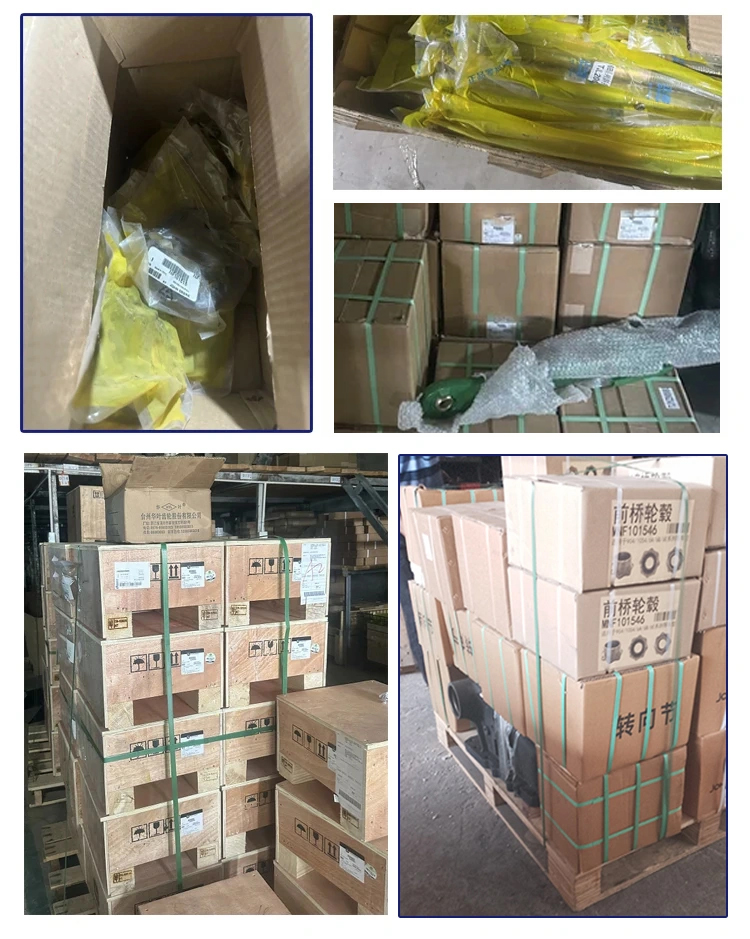
CXNOFIA is a well-known tractor parts supplier in China. Complete product range, quality guaranteed. Welcome to consult at any time!
John Deere's Investment in Autonomous Tractors and Smart Crop Sprayers: A Step Towards Sustainable Agriculture
John Deere New Autonomous Tractor
Related Article