Rice Transplanter Types and Global Market Preferences: What's Hot in 2025?
In the ever-evolving landscape of agricultural mechanization, rice transplanters have become indispensable in boosting rice production efficiency, especially in Asia, Africa, and parts of South America. With increasing labor shortages and growing demand for productivity, selecting the right rice transplanter tailored to the local terrain, paddy conditions, and budget is more critical than ever.
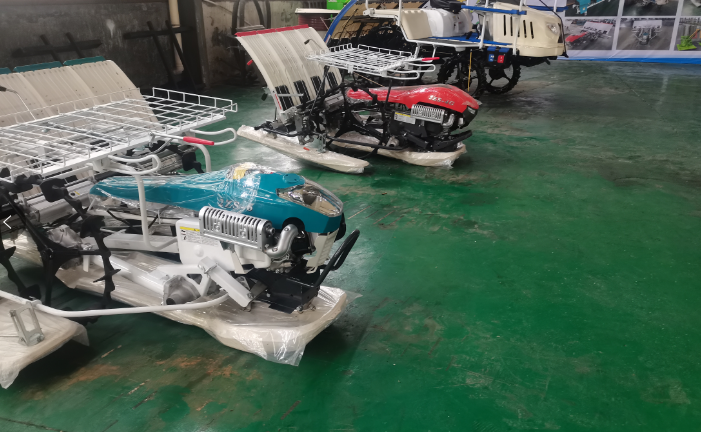
This article dives into the major types of rice transplanters, the best-selling models by country, and key factors buyers should consider before making a purchase.
1. Types of Rice Transplanters
Rice transplanters are broadly categorized into walking-type (manual/self-propelled) and riding-type (mechanized/automatic) models. They can also be powered by gasoline, diesel, or electric motors.
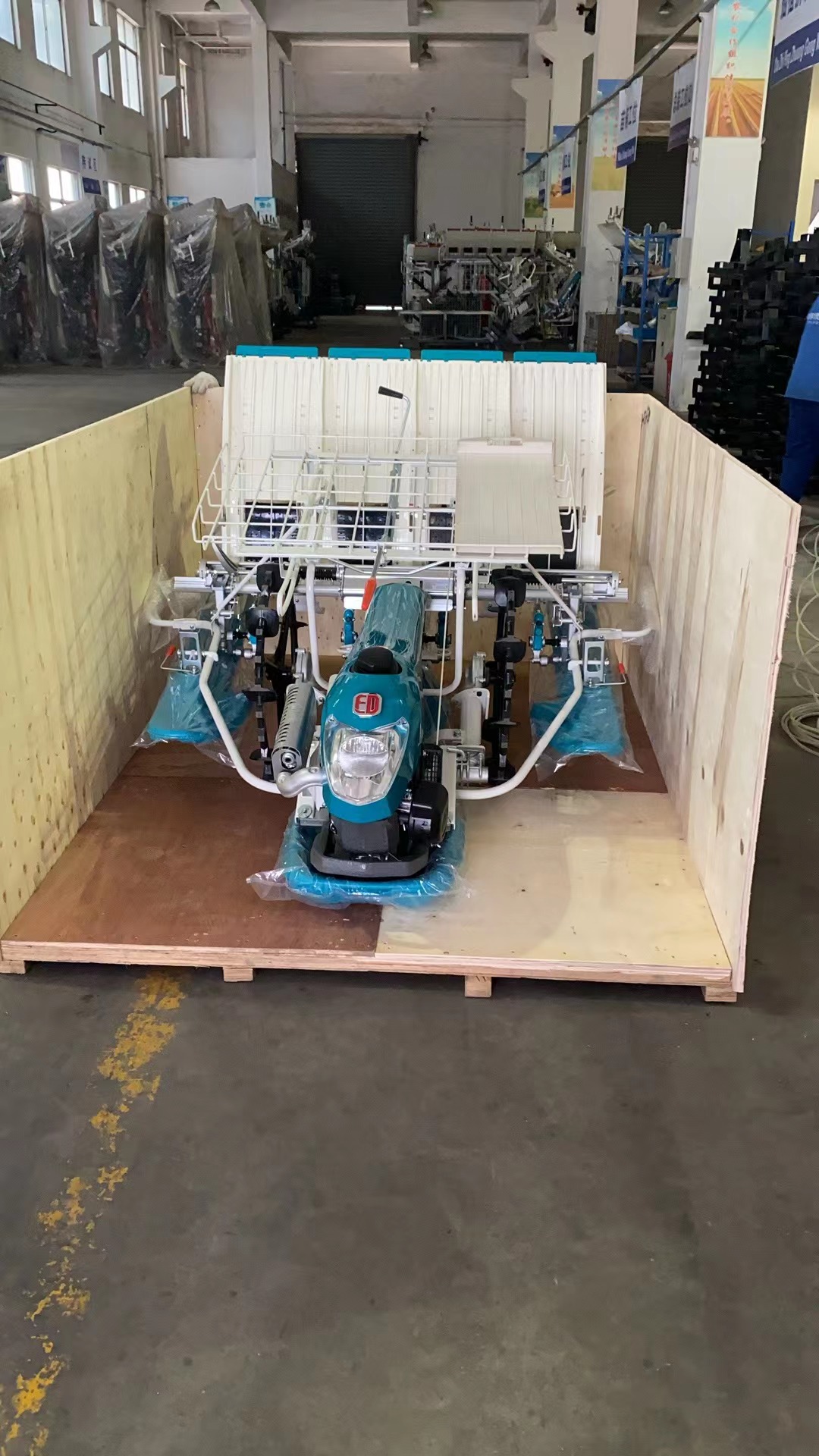
a. Walking-Type Transplanter
- Lightweight, manually operated or self-propelled
- Ideal for small to medium farms
- Usually 2–6 rows
- Easy to maintain and transport
- Widely used in countries like Bangladesh, Myanmar, Nepa
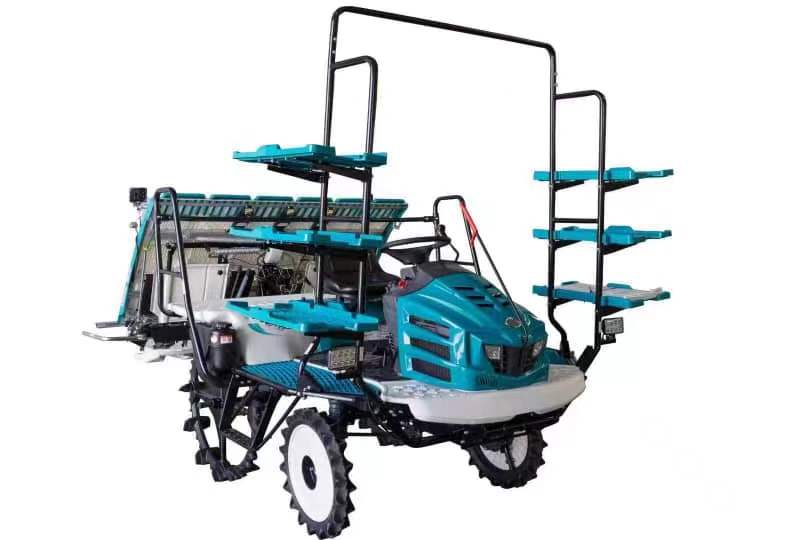
b. Riding-Type Transplanter
- Suitable for larger-scale farms and flat paddies
- Offers more comfort and higher productivity
- Often features 4–8 rows or more
- Requires better paddy leveling
- Preferred in Japan, South Korea, China, Thailand
c. Engine Types
- Gasoline Engine: Common in entry-level models; cheaper and lighter
- Diesel Engine: More powerful and fuel-efficient; better for muddy fields
- Electric: Eco-friendly but costly; seen in tech-forward markets

2. Hot-Selling Models by Country or Region
Bangladesh: Walking-type, 4-row gasoline or diesel-powered models dominate the market. Farmers prefer machines with simple operation and easy repair. Key selling point: low price and fuel economy.
India: Strong demand for both 4-row and 6-row walking models in states like West Bengal, Assam, and Bihar. Diesel-powered machines preferred for endurance in muddy conditions.
Philippines: High usage of 6-row walking-type gasoline models in Luzon and Visayas regions. Some regions now exploring riding-type models due to labor shortages.
Vietnam: Northern areas prefer compact 4-row machines for smaller paddies, while the Mekong Delta favors larger 6-row riding-type machines. Corrosion resistance is important.
Indonesia: Demand split between 4-row and 6-row machines. Popular models include gasoline-powered self-propelled types. Recent trend: battery-powered transplanting machines.
Africa (Nigeria, Kenya, Ghana): Mechanization is still developing. 2-row and 4-row gasoline models are popular. Easy maintenance and spare parts access are key.
South America (Peru, Colombia): Hilly areas require compact walking-type machines. Gasoline engines favored due to cost efficiency.
3. How to Choose the Right Rice Transplanter
1) Terrain and Field Size: Flat, large fields suit riding-type; irregular, terraced fields suit walking-type.2) Budget and Fuel: Gasoline models have lower upfront costs; diesel has better fuel economy long-term.
2) Budget and Fuel: Gasoline models have lower upfront costs; diesel has better fuel economy long-term.
3) Row Numbers: More rows improve efficiency but raise price. Small farms typically choose 4–6 rows.
4) Labor Skill Level: Simpler models are better in rural areas with limited training.
5) Spare Parts Support: Ensure parts are available locally and machines are easy to maintain.
4. Trending Features in 2025
- Floating mat adaptability
- Adjustable planting depth
- Stainless-steel parts
- Easy gear shift
- Seedling protection systems
5. Real-World Use Cases and Success Stories
Across Asia and Africa, rice transplanters have made a significant impact in reducing manual labor, increasing planting speed, and improving uniformity. For instance, in Bangladesh’s Khulna region, farmers reported up to 30% labor cost reduction after switching to 4-row self-propelled models. In Vietnam’s Mekong Delta, riding-type transplanters have increased transplanting efficiency by 3–4 times compared to manual planting. These real-world cases demonstrate how appropriate mechanization directly boosts rice yield and farmer income.
6. Government Support and Subsidy Programs
In many rice-growing countries, governments provide subsidies to encourage mechanization. Programs in India, the Philippines, and Indonesia offer up to 40–60% cost support for smallholder farmers purchasing rice transplanters. Such policies drive market growth and provide opportunities for agri-machinery suppliers to expand distribution networks and offer value-added services like training and after-sales support.
7. Future Outlook
As we look beyond 2025, the future of rice transplanting will likely be shaped by automation, GPS-guided systems, and even AI-controlled transplanting robots. While such technologies are still in early development stages, countries like China, Japan, and South Korea are already testing smart transplanters in precision agriculture pilot projects. For most developing markets, however, the focus will remain on cost-effective, durable, and easy-to-use machines.
8. Conclusion: The Right Machine for the Right Market
Global demand for rice transplanters continues to grow. The right model balances cost, performance, and field conditions. Understanding regional needs ensures better satisfaction and long-term cooperation.
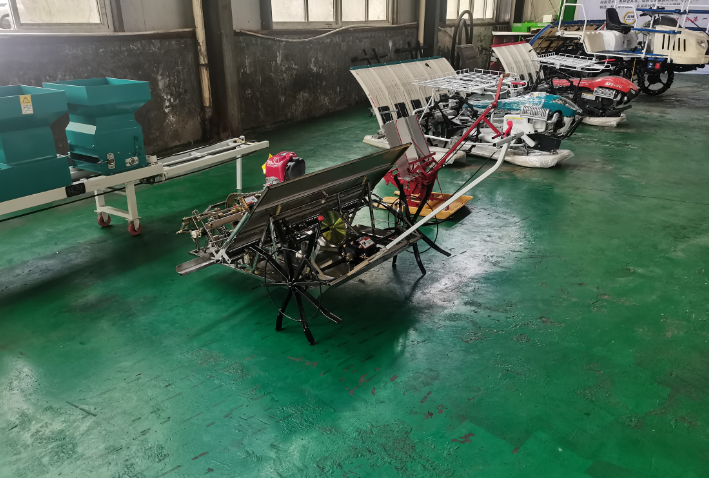
As a trusted agri-machinery partner, CXNOFIA is ready to support your business with practical solutions and strong service. If you're sourcing rice transplanters or parts, feel free to contact us to learn more.
John Deere Next Generation Perception System for Autonomous Tillage
Silage Corn Headers Explained: Tractor vs. Self-Propelled - Which One Fits Your Farm?
Related Article