What Are The Differences Between Disc Plow Blades?
author: CXNOFIA GROUP
2024-05-31
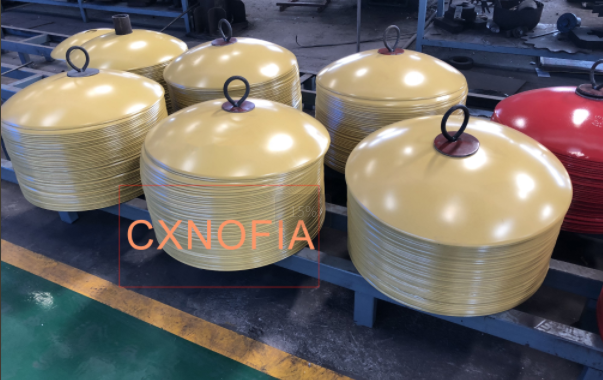
Disc blades for plows come in various types and specifications, each suited for different soil conditions and tillage needs. They differ in size, shape, material, and purpose. Here are the main distinctions:
1. Size
-
Diameter: Disc blades typically range from 16 inches to 30 inches in diameter. Larger discs are suitable for deeper tillage and harder soils, while smaller discs are better for shallower tillage and softer soils.
-
Thickness: The thickness of disc blades generally ranges from 3 mm to 6 mm. Thicker blades are more durable and suitable for heavy-duty tillage.
2. Shape
-
Flat Disc: These blades are flat across their entire surface and are suitable for general tillage needs.
-
Concave Disc: These blades are concave in the center, which helps better turn and mix the soil, particularly in heavy-duty tillage and weed control.
3. Material
-
Carbon Steel: Traditional disc blades are usually made of carbon steel, which offers good durability and wear resistance.
-
High-Strength Alloy Steel: Some modern disc blades are made from high-strength alloy steel for enhanced durability and longer lifespan.
4. Edge Type
-
Smooth Edge: Smooth-edged blades are suitable for general tillage needs, especially in softer and looser soils.
-
Serrated Edge: Serrated edges are better for harder soils and heavy-duty tillage because they can cut through soil and plant residues more effectively.
5. Purpose
-
Tillage: Used for initial soil turning, bringing the topsoil down and subsoil up.
-
Weed Control: Used to turn soil, burying weeds to reduce their growth.
-
Residue Management: Used to chop and bury crop residues, aiding soil fertility restoration.
6. Mounting Method
-
Single Mounting: Suitable for small or single-disc plows.
-
Gang Mounting: Multiple disc blades mounted in a series on a single axle, suitable for large tillage equipment, providing greater coverage and efficiency.
In summary, the choice of disc blade depends on specific tillage needs, soil type, and machinery. Understanding these differences helps farmers select the most appropriate disc blades for their field conditions and operational requirements.
What'S The Difference Between A Disc Plow And A Disc Harrow?
The Current Situation And Development Prospects Of Electric Tractors
Related Article

Learn how to choose the right corn header for your combine harvester. This guide covers corn header compatibility, row spacing, number of rows, working width, and key factors to consider before buying.
How to Choose the Right Corn Header for Your Combine Harvester
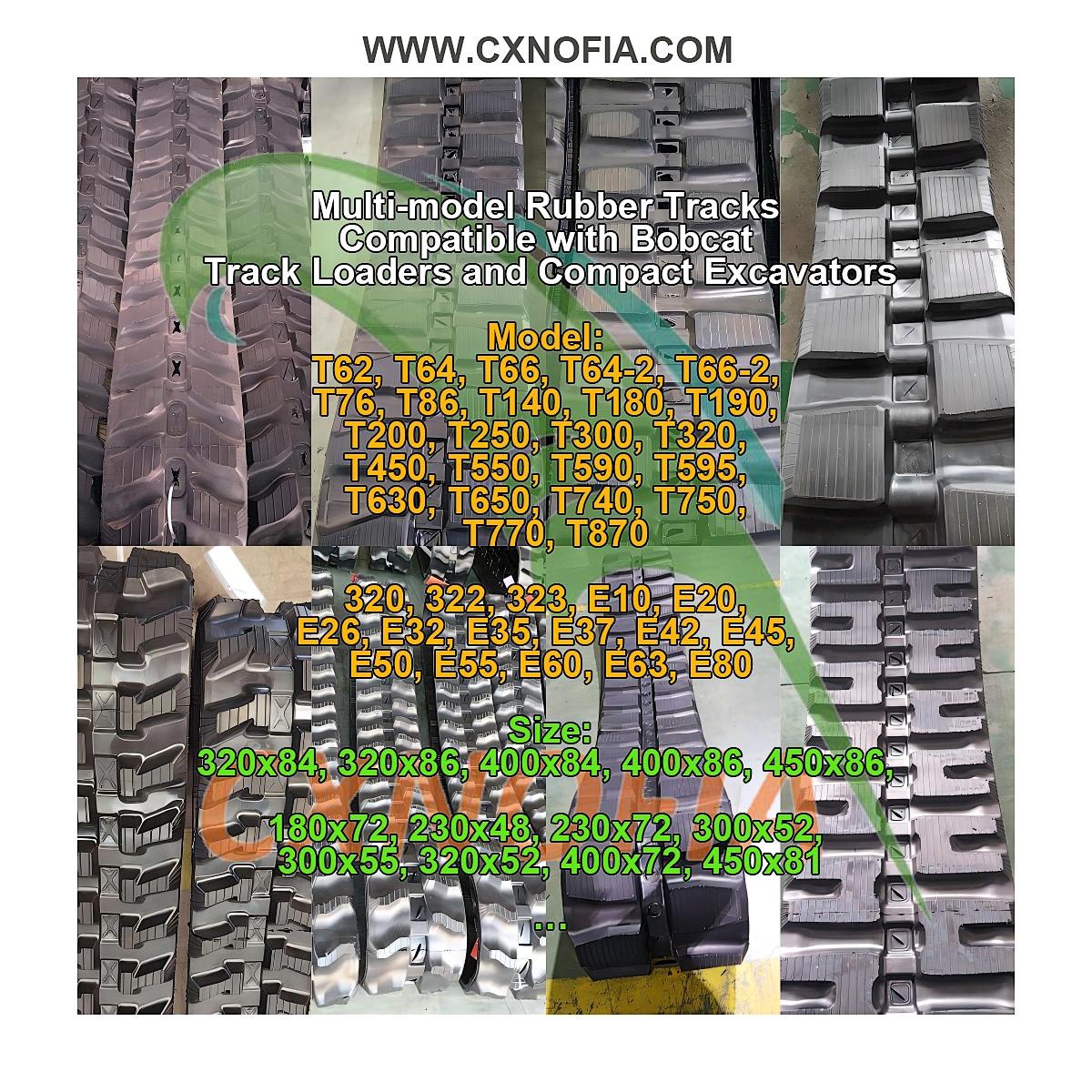
Learn how to choose the right rubber track for your Bobcat machine. This guide covers track size identification, OEM part numbers, track quality, working conditions, and common mistakes to help you select the best replacement rubber tracks.
How to Choose the Right Rubber Track for Your Bobcat Machine