What Is A Gear Pump Used In A Tractor
author: CXNOFIA GROUP
2024-06-28
Gear pumps play a crucial role in the hydraulic systems of tractors, providing hydraulic oil pressure to drive various hydraulic devices, such as lifting hydraulic arms and operating hydraulic cylinders. Due to their simple structure, reliable performance, and easy maintenance, gear pumps are widely used in agricultural machinery.This article provides a detailed introduction to tractor gear pumps, key considerations for selection, and important points for use.
Introduction to Gear Pumps in Tractors
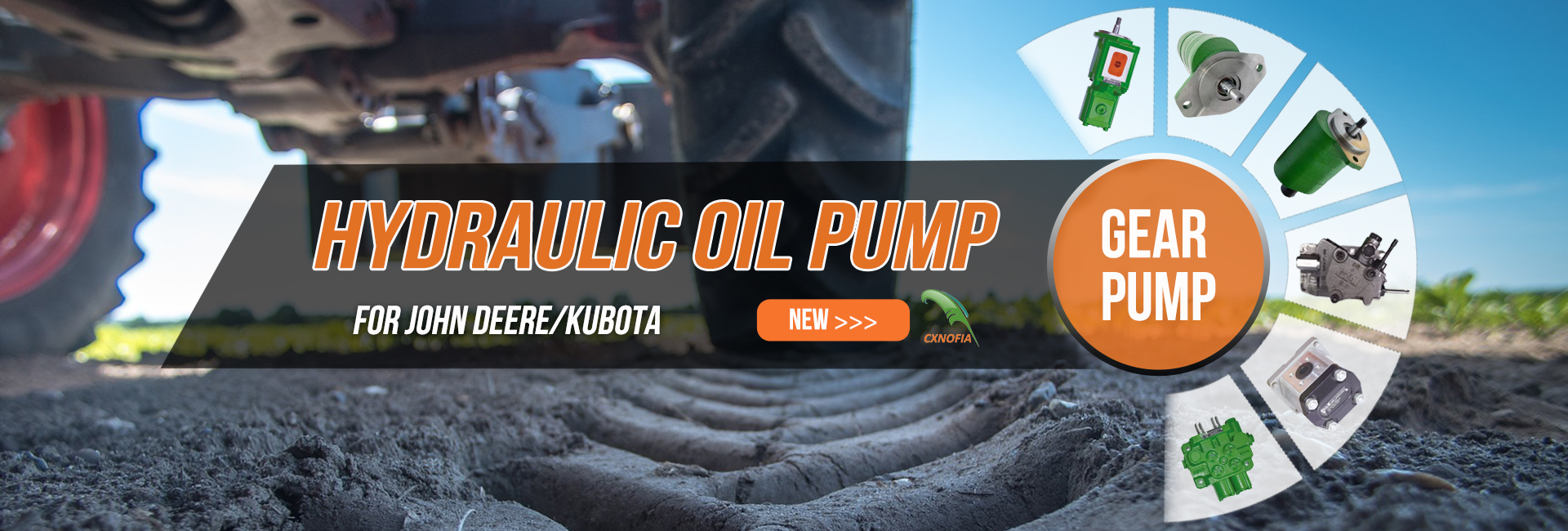
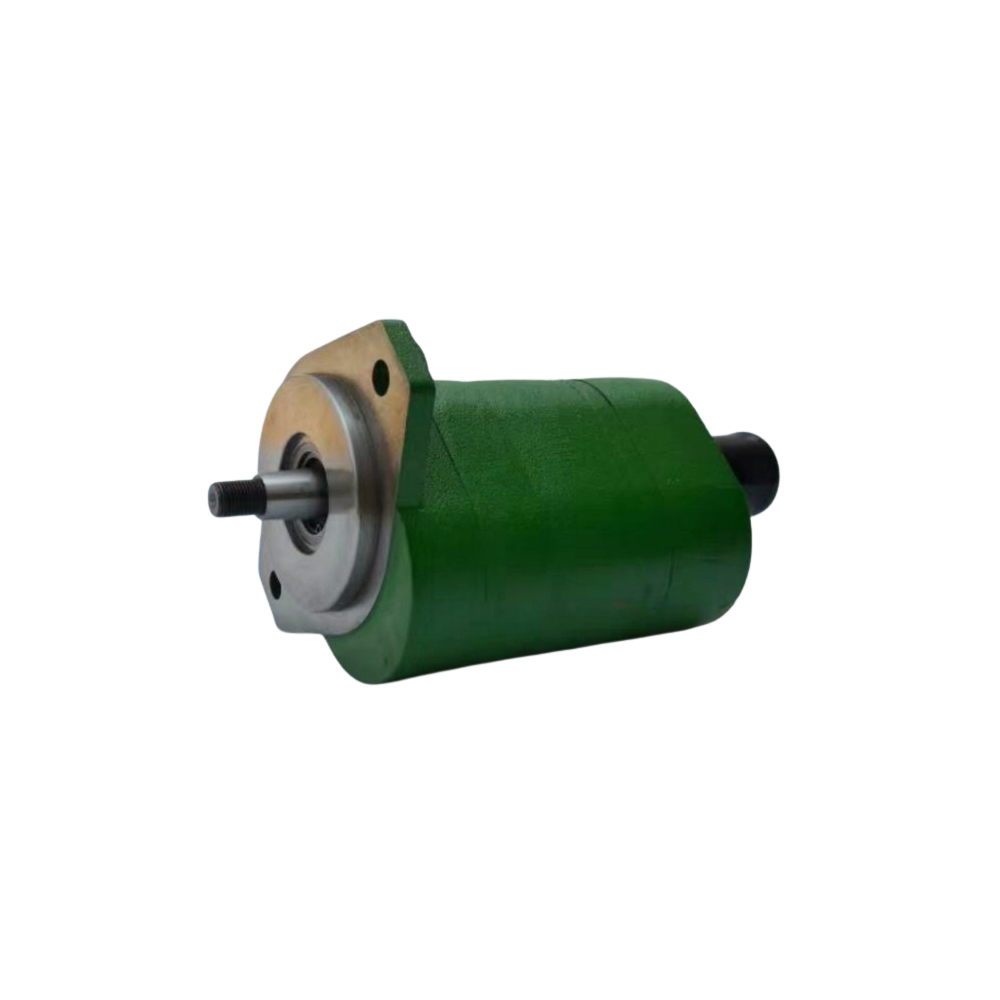
Gear pumps play a crucial role in the hydraulic systems of tractors, providing hydraulic oil pressure to drive various hydraulic devices, such as lifting hydraulic arms and operating hydraulic cylinders. Due to their simple structure, reliable performance, and easy maintenance, gear pumps are widely used in agricultural machinery.
Basic Working Principle of Gear Pumps
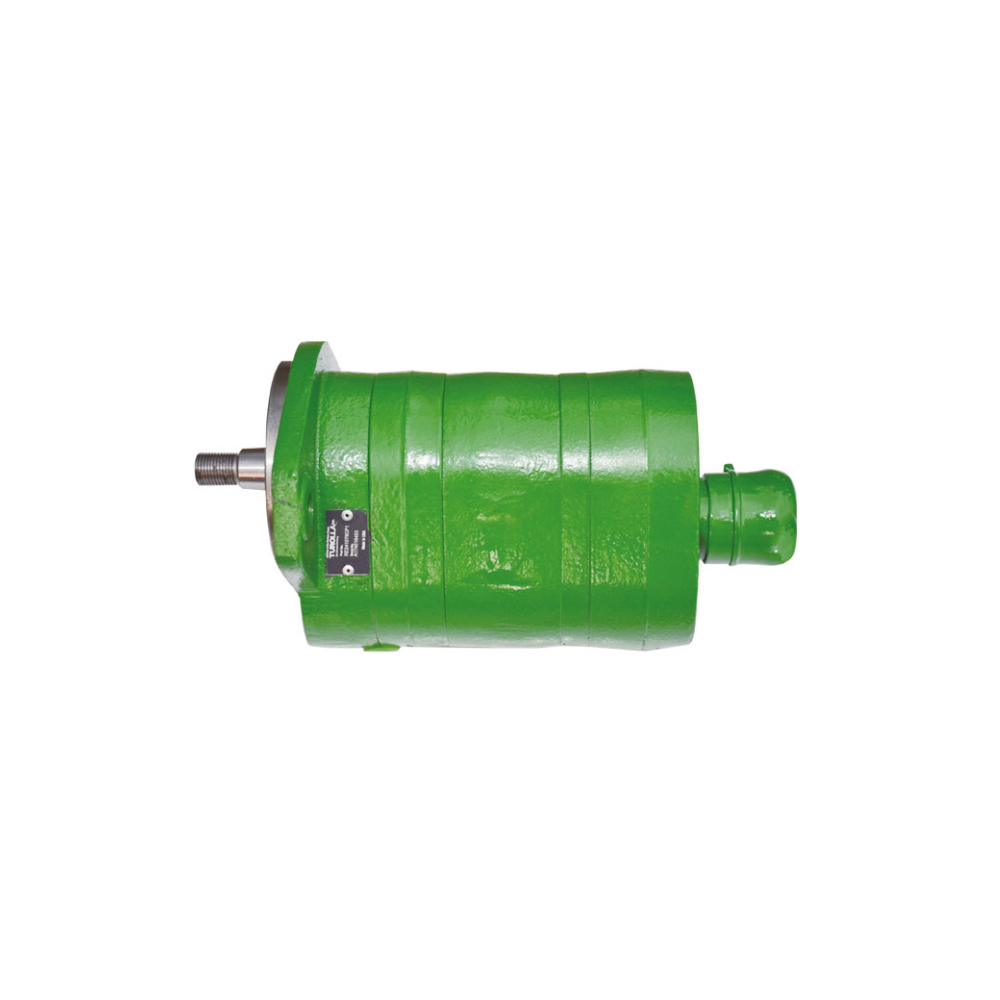
A gear pump operates by rotating two meshing gears to generate pressure, thereby transferring hydraulic oil from the inlet to the outlet. As these gears rotate within the pump housing, hydraulic oil is carried into the pump by the spaces between the gear teeth and then squeezed out to the outlet by the rotation of the gears. This continuous process ensures a stable oil pressure output for the hydraulic system.
Types of Gear Pumps
1. External Gear Pump:
- Structure: Consists of two external gears that mesh with each other. One gear is connected to the drive shaft, which drives the other gear.
- Advantages: Robust construction, low manufacturing and maintenance costs, suitable for high-pressure applications.
- Applications: Primarily used in high-pressure applications within the tractor's hydraulic system, such as hydraulic lifting systems.
2. Internal Gear Pump:
- Structure: Composed of an internal gear and an external gear, where the internal gear is located inside the external gear, usually with a crescent-shaped filler piece between the gears.
- Advantages: Low noise, high efficiency, suitable for medium-pressure applications.
- Applications: Widely used in hydraulic systems requiring quiet operation, such as power steering systems.
Advantages of Gear Pumps
- Efficiency and Stability: Gear pumps can provide a stable flow and pressure of hydraulic oil, ensuring the efficient operation of the tractor's hydraulic system.
- Durability and Reliability: Due to their simple structure, gear pumps are highly durable and reliable, capable of long-term use in harsh agricultural environments.
- Ease of Maintenance: Gear pumps are relatively easy to maintain, with easily replaceable components, reducing maintenance costs and time.
- Versatility: Gear pumps can adapt to various hydraulic oils and working conditions, making them highly versatile.
Applications of Gear Pumps
In tractors, gear pumps are primarily used for the following purposes:
1. Hydraulic Lifting Systems: Providing pressure to hydraulic arms for lifting and adjusting implements.
2. Power Steering Systems: Ensuring stable oil pressure for smooth and flexible steering.
3. Auxiliary Hydraulic Devices: Supplying power to hydraulic cylinders, hydraulic motors, and other equipment for various field operations.
2. Power Steering Systems: Ensuring stable oil pressure for smooth and flexible steering.
3. Auxiliary Hydraulic Devices: Supplying power to hydraulic cylinders, hydraulic motors, and other equipment for various field operations.
Gear pumps are widely used in various hydraulic systems due to their efficiency, reliability, and durability. When selecting and using a gear pump, several key factors and precautions should be taken into account to ensure optimal performance and longevity.
Selecting a Gear Pump
-
Flow Rate and Pressure Requirements:
- Flow Rate: Determine the required flow rate for the application. Gear pumps are typically rated by the volume of fluid they can move per minute (e.g., gallons per minute, GPM). Ensure the pump can handle the necessary flow rate for your hydraulic system.
- Pressure: Consider the system's pressure requirements. Gear pumps can operate at different pressure levels, so select a pump that matches the maximum operating pressure needed for your application.
-
Viscosity of the Hydraulic Fluid:
- The viscosity of the hydraulic fluid affects the pump's performance. Ensure that the selected gear pump is compatible with the viscosity range of the fluid used in your system. High-viscosity fluids may require pumps with specialized designs to maintain efficient operation.
-
Material Compatibility:
- Check the compatibility of the pump materials with the hydraulic fluid and the operating environment. Corrosive or abrasive fluids may require pumps made of specific materials, such as stainless steel or hardened alloys, to prevent wear and corrosion.
-
Size and Installation Space:
- Consider the physical dimensions of the pump and the available installation space. Ensure there is enough room for the pump and any necessary fittings or hoses.
Using Gear Pumps: Precautions
-
Proper Installation:
- Install the pump according to the manufacturer’s guidelines. Ensure proper alignment of the pump and motor shafts to avoid undue stress on the components. Use appropriate mounting hardware and secure the pump firmly to prevent vibrations and misalignment.
-
Fluid Quality:
- Use clean, high-quality hydraulic fluid to prevent contamination and wear. Regularly check and replace filters to keep the fluid free from debris and contaminants. Contaminated fluid can cause excessive wear and damage to the pump.
-
Avoid Overloading:
- Do not exceed the pump's rated flow rate and pressure. Overloading can lead to overheating, excessive wear, and premature failure. Use pressure relief valves to protect the pump and system from overpressure conditions.
-
Regular Maintenance:
- Perform routine maintenance as recommended by the manufacturer. Regularly check for signs of wear, leaks, and unusual noises. Replace worn or damaged components promptly to avoid further damage.
-
Monitor Operating Conditions:
- Keep an eye on the pump’s operating conditions, such as temperature and pressure. Sudden changes in these parameters can indicate potential issues. Use gauges and sensors to monitor the pump’s performance in real-time.
-
Temperature Control:
- Ensure the operating temperature remains within the pump's specified range. Excessive heat can degrade hydraulic fluid and damage pump components. Use cooling systems or heat exchangers if necessary to maintain optimal temperatures.
-
Startup and Shutdown Procedures:
- Follow proper startup and shutdown procedures to minimize stress on the pump. Gradually increase the pump speed during startup and allow it to run at low speed for a few minutes before full operation. Similarly, reduce the speed gradually during shutdown.
Selecting the right gear pump and adhering to proper usage practices are critical for achieving efficient and reliable performance in hydraulic systems. By considering factors such as flow rate, pressure requirements, fluid viscosity, and material compatibility, and by following maintenance and operational guidelines, users can ensure the longevity and effectiveness of their gear pumps. Proper selection and usage not only enhance the pump’s performance but also contribute to the overall efficiency and safety of the hydraulic system.
In summary, gear pumps are an essential component of the tractor's hydraulic system. Their efficiency, reliability, and ease of maintenance make them indispensable in modern agricultural machinery. As agricultural technology continues to advance, the design and performance of gear pumps will continue to improve, meeting the increasing complexity and diversity of farming operations.
Explore our extensive selection of tractor parts for Kubota and JD, including a full range of pumps. CXNOFIA is a well-known tractor parts supplier in China. Complete product range, quality guaranteed.
What Is The Hydraulic System Of A Tractor
How Many Clutches Does A Tractor Have
Related Article

Learn how to choose the right corn header for your combine harvester. This guide covers corn header compatibility, row spacing, number of rows, working width, and key factors to consider before buying.
How to Choose the Right Corn Header for Your Combine Harvester
Learn how to choose the right rubber track for your Bobcat machine. This guide covers track size identification, OEM part numbers, track quality, working conditions, and common mistakes to help you select the best replacement rubber tracks.
How to Choose the Right Rubber Track for Your Bobcat Machine