What Is The Hydraulic System Of A Tractor
Introduction to Tractor Hydraulic Systems
Tractors are essential in modern agriculture, performing a wide range of tasks from plowing fields to transporting goods. Central to their versatility and efficiency is the hydraulic system, a critical component that enables the tractor to perform various functions effectively. This article explores the workings, functions, and importance of hydraulic systems in tractors.
1. Understanding Hydraulic Systems
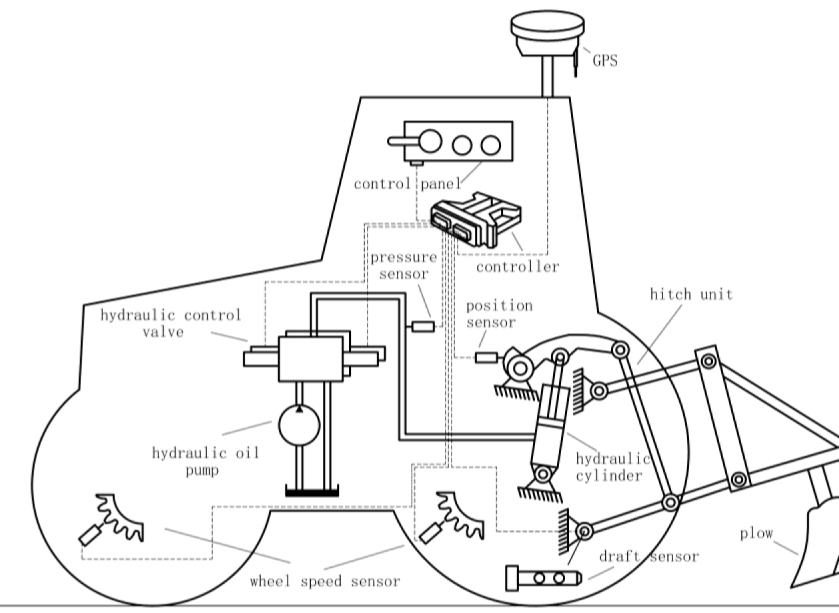
Hydraulic systems in tractors utilize fluid pressure to generate power, control machinery, and transmit force. These systems comprise several key components:
- Hydraulic Fluid: Typically oil-based, hydraulic fluid transfers energy within the system and lubricates components.
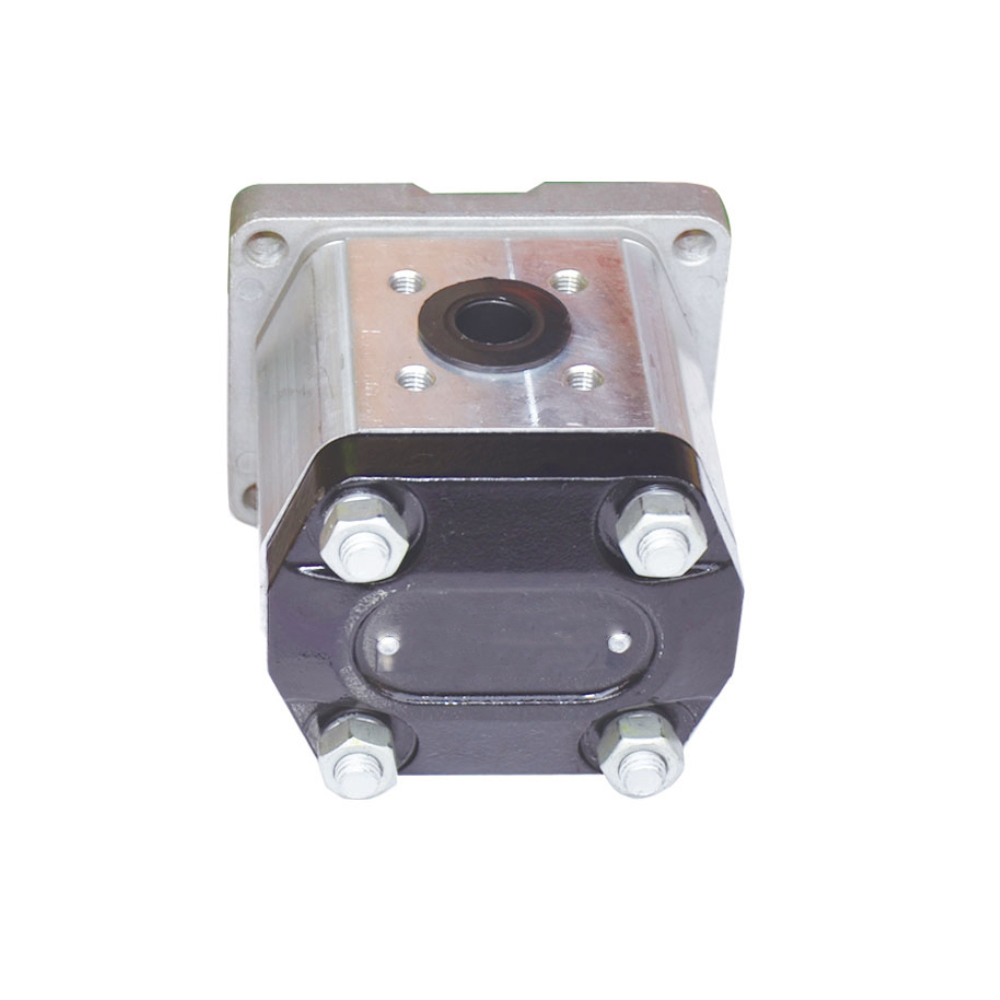
- Hydraulic Pump: Converts mechanical power from the engine into hydraulic power by pressurizing the fluid.
- Control Valves: Direct the flow of hydraulic fluid to different actuators or hydraulic motors.
- Actuators: Convert hydraulic energy back into mechanical energy to perform work, such as lifting implements or controlling steering.
1.1 Types of Control Valves
Tractor hydraulic systems employ different types of control valves based on their specific applications:
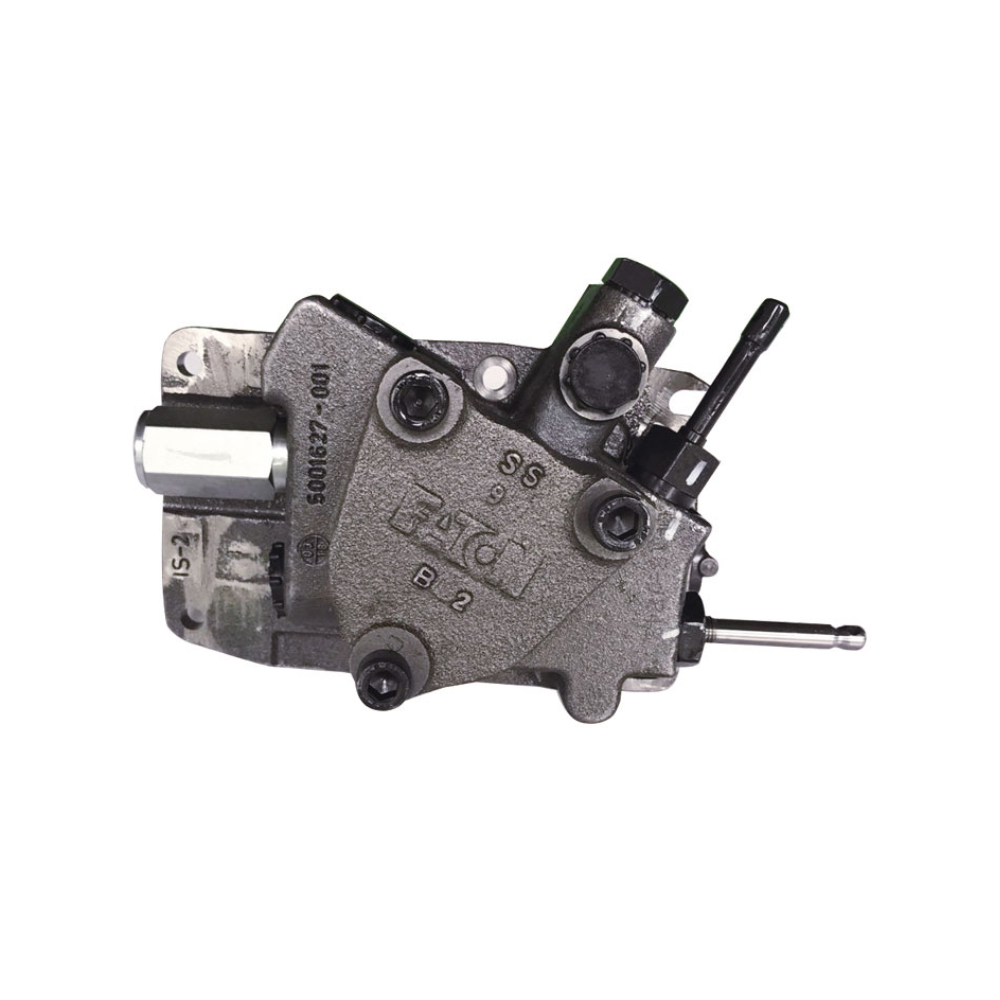
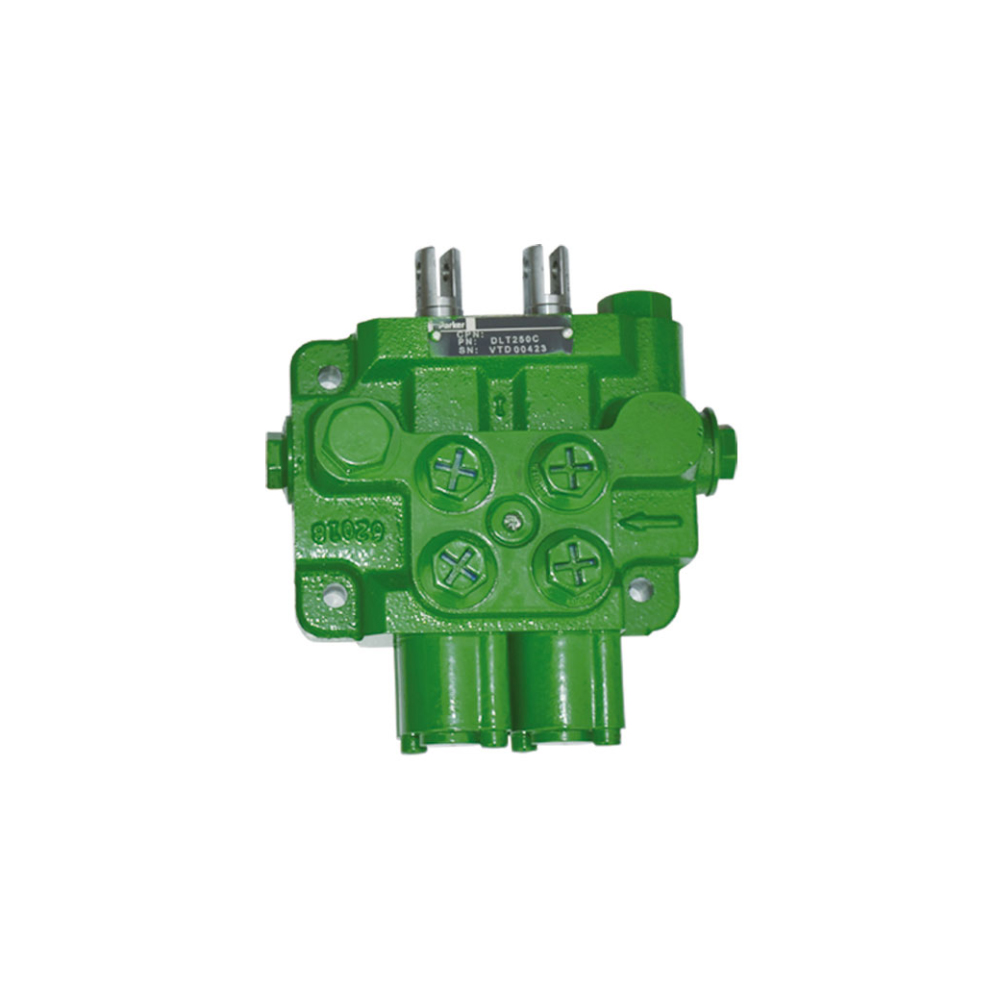
1.2 Functionality and Operation
Control valves work in conjunction with hydraulic pumps, actuators, and sensors to perform specific tasks:
Implement Control: By directing hydraulic fluid to cylinders or motors connected to implements, control valves enable operators to lift, lower, or adjust the position of implements such as plows, harrows, and seeders. This functionality ensures precise control over soil engagement and depth adjustment during field operations.
1.3 Importance of Control Valves
Control valves are crucial for enhancing operational efficiency and versatility in tractor hydraulic systems:
Control valves play a pivotal role in the functionality and performance of tractor hydraulic systems. By enabling precise control over hydraulic fluid flow and pressure, these valves empower operators to perform a wide range of agricultural tasks efficiently and effectively. As agricultural technology continues to evolve, advancements in control valve design and integration will further enhance the capabilities of tractors, ensuring they remain indispensable tools for modern farming practices.
2. Functions of Tractor Hydraulic Systems
2.1. Lifting and Lowering Implements
One of the primary functions of a tractor's hydraulic system is to lift and lower agricultural implements. Using hydraulic cylinders controlled by valves, the system raises heavy implements like plows or harrows, allowing for efficient soil preparation and cultivation. Precise control over implement height ensures optimal ground clearance and operational efficiency.
2.2. Powering Attachments
Hydraulic systems enable tractors to power various attachments, enhancing their versatility. Equipment such as loaders, backhoes, and mowers are hydraulically driven, utilizing the tractor's hydraulic power to operate their moving parts. This capability allows farmers to quickly switch between tasks without needing multiple dedicated machines.
2.3. Steering and Braking
In modern tractors, hydraulic systems are integral to steering and braking mechanisms. Hydraulic power steering assists the driver in maneuvering the tractor with minimal effort, enhancing safety and control. Hydraulic brakes provide reliable stopping power, crucial for maintaining operational safety, especially when towing heavy loads or working on slopes.
2.4. Transmission and Power Distribution
Some tractors utilize hydraulic systems for transmission and power distribution. Hydraulic transmissions offer variable speed control and smooth gear shifting, improving fuel efficiency and operator comfort. Additionally, hydraulic systems can distribute power to different parts of the tractor as needed, optimizing performance in various operating conditions.
3. Importance of Hydraulic Systems in Tractors
The significance of hydraulic systems in tractors cannot be overstated. They provide:
- Efficiency: Hydraulic systems convert energy with high efficiency, minimizing power loss and maximizing productivity.
- Versatility: By powering a wide range of implements and attachments, hydraulic systems make tractors versatile tools in agricultural operations.
- Control: Precise control over hydraulic functions allows operators to perform tasks with accuracy, reducing operational errors and improving overall efficiency.
- Reliability: Well-maintained hydraulic systems are durable and reliable, contributing to the longevity of the tractor and reducing downtime for repairs.
4. Future Developments and Innovations
As technology advances, hydraulic systems in tractors continue to evolve:
- Electronics Integration: Increasing integration of electronic controls enhances precision and automation in hydraulic operations.
- Efficiency Improvements: Research focuses on optimizing hydraulic system efficiency through advanced fluid dynamics and component design.
- Environmental Considerations: Innovations aim to reduce hydraulic fluid leakage and improve environmental sustainability in agricultural practices.
5. Conclusion
In conclusion, hydraulic systems are indispensable components of modern tractors, enabling them to perform a myriad of tasks efficiently and effectively. From lifting heavy implements to powering attachments and providing steering control, hydraulic systems play a crucial role in enhancing agricultural productivity. As technology continues to advance, further innovations in hydraulic systems will undoubtedly enhance tractor performance, ensuring they remain essential tools for farmers worldwide.
Explore our extensive selection of tractor parts for Kubota and JD. CXNOFIA is a well-known tractor parts supplier in China. Complete product range, quality guaranteed.
Ensuring Compatibility of Tractor Parts: A Comprehensive Guide
What Is A Gear Pump Used In A Tractor
Related Article